
Over 100,000 Australians were charged for home delivered meals despite cancelling their subscriptions with delivery firms HelloFresh and Youfoodz, the ACCC has alleged in launching separate Federal Court proceedings against the two companies for alleged subscription traps.
The two companies – which are both owned by German multinational meal delivery giant HelloFresh SE – are alleged to have broken Australian Consumer Law (ACL) by misleading new customers about the conditions under which they could cancel their subscriptions.
Despite advertising on websites and apps that consumers could “easily” go online to cancel their subscriptions and delivery of their first order before a specified cutoff time, the ACCC alleges that consumers who tried to do so “were still charged for and received the first order.”
HelloFresh, for one, required new customers to provide payment details while signing up for the services and advised customers they wouldn’t be charged unless they selected meals to order.
In fact, during the signup process customers were automatically registered for an ongoing subscription and charged for the first delivery – with many consumers unaware that they had been signed up to an ongoing subscription.
And after Youfoodz consumers cancelled their subscriptions, the ACCC alleges the company advised them their first delivery had been cancelled and they wouldn’t be charged – when in fact the first delivery “could not be cancelled this way and they were still charged.”
In fact, consumers wanting to cancel their subscriptions had to call the companies and speak with a customer service representative – a common trick by companies that force consumers to contact customer retention teams and argue their case before cancelling services.
Some 62,061 Australian HelloFresh customers are said to have been disadvantaged in this way between 1 January 2023 and 14 March 2025, while 39,408 Youfoodz customers had the same issue between 1 October 2022 and 22 November 2024.
The Federal Court action stems from “a suite of confusing and unclear subscription practices,” ACCC commissioner Luke Woodward said, arguing that customers were charged “despite what HelloFresh and Youfoodz represented to new Australian subscribers.”
Delivery firms paying the cost of convenience
The companies’ alleged behaviour comes after several tough years for the food delivery business, with a spate of companies folding after significant competition, high costs, and operational challenges cut a swathe through the industry.
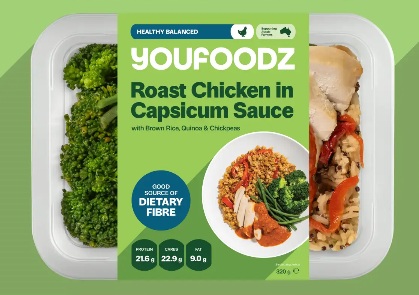
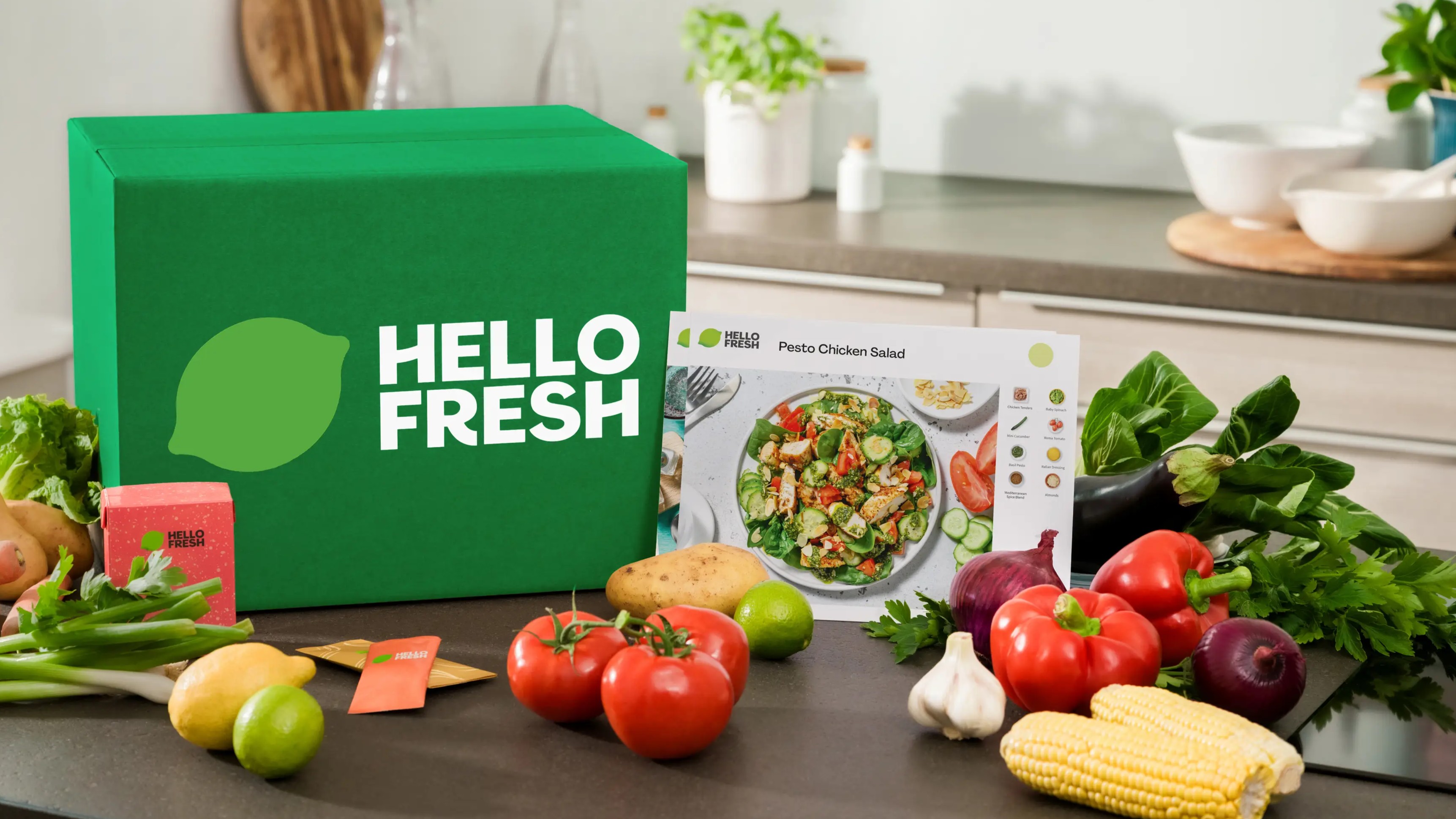
YouFoodz and HelloFresh are owned by German multinational HelloFresh SE. Source: YouFoodz
Despite thriving during the pandemic years, delivery services faced their mortality when restaurants reopened and their once-captive customer base were allowed outside – leading to the 2022 collapse of the likes of Deliveroo, Quicko, Voly, Send and YourGrocer.
Subsequent years saw the collapse of subscription and delivery based firms like Providoor, MilkRun, Delivr and, most recently, MenuLog – which once pounced on Deliveroo’s disenfranchised customer base but shut down in November after 19 years in Australia.
Subscription traps in the crosshairs
The new action is the latest step in the ACCC’s ongoing campaign against illegal subscription traps, which dates back to at least 2016 and most recently saw the agency pursue Microsoft over misrepresentations about its Microsoft 365 subscriptions that affected 2.7 million Australians.
In September, the agency took action against online question and answer service JustAnswer for misrepresenting the cost of its service as $2 but tricking consumers into paying an ongoing monthly subscription fee of around $50 and $90.
And earlier this year, collectables firm The Bradford Exchange Ltd was taken to task over a subscription bait-and-switch that saw consumers sent an introductory item for a low price but then signed up to regular subscriptions for delivery of dozens of much more expensive items.
“While different dark patterns can vary in their harm, being unable to unsubscribe from unwanted paid services has a direct and harmful impact on consumers,” a recent Consumer Policy Research Centre analysis said, “costing them time, money and ultimately affecting their wellbeing.”
The practice has become so common that, two years after a Treasury analysis warned of “significant and growing consumer harm” from companies’ manipulative tactics, the federal government last month announced plans to ban the “sneaky” practices with new laws in 2026.
New guidelines would force businesses to provide key information before customers sign up for subscriptions, notify those customers before a free trial ends, and “remove unreasonable barriers to cancellation” – as well as forcing companies to show mandatory fees “prominently and upfront”.
“These reforms will stop unfair trading practice that distort consumer choice and drive up costs, making markets fairer and giving Australians a fair go,” Andrew Leigh, Assistant Minister for Productivity, Competition, Charities and Treasury said.