
The largest data centre in the southern hemisphere will be built in New South Wales after local provider CDC Data Centres’s proposal received approval.
The NSW government last week approved the plan for a $3.1 billion hyperscale data centre at Marsden Park, about 36km north-west of the Sydney CBD.
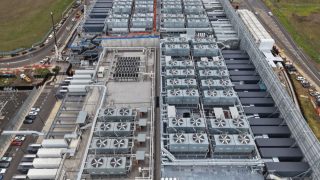
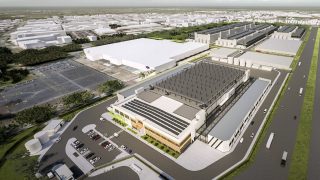
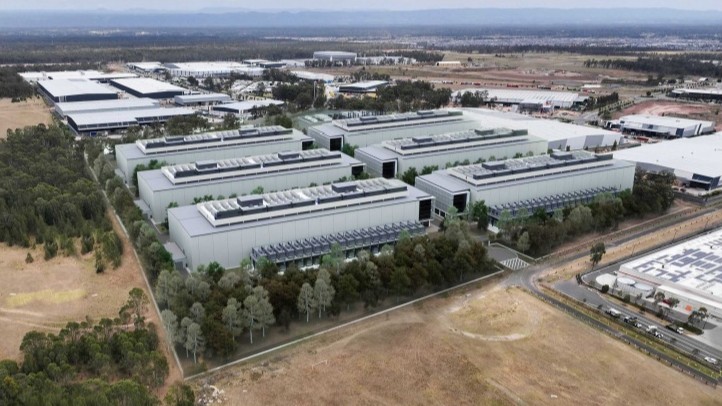
First announced in October last year, CDC said the 504-megawatt capacity of the six four-storey data centre buildings at the proposed facility will be the equivalent to 140,000 homes’ energy usage, but plans to source 99 per cent of its energy from renewables by 2030.
The competition among Australian states to play host to these huge data centres is ramping up, with the Victorian government also last week unveiling a Sustainable Data Centre Action Plan, and Premier Jacinta Allan saying she would be “ruthless” in chasing the jobs on offer through data centres.
Southern hemisphere’s biggest data centre
The NSW government has said the new data centre will create 200 construction jobs and 265 operational jobs once up and running.
“Approval of the largest data centre for the southern hemisphere is an exciting step forward for digital infrastructure in NSW and Australia,” NSW Treasurer Daniel Mookhey said in a statement.
“This project will support the booming digital economy while also creating hundreds of jobs through both construction and operation, delivering more high-tech employment opportunities close to home for workers in Sydney’s west.”
The CDC site will be targeting a water usage effectiveness measure of 0.01 using air-based cooling systems that include chilled water, which is reusable.
It said that for every 1 kilowatt-hour of energy consumed by the facility, it will use 0.1 litres of water.
There have been increasing concerns that the huge growth in data centres around the world is threatening efforts to reach net-zero emissions, with fears these investments are consuming energy faster than renewables can produce it.
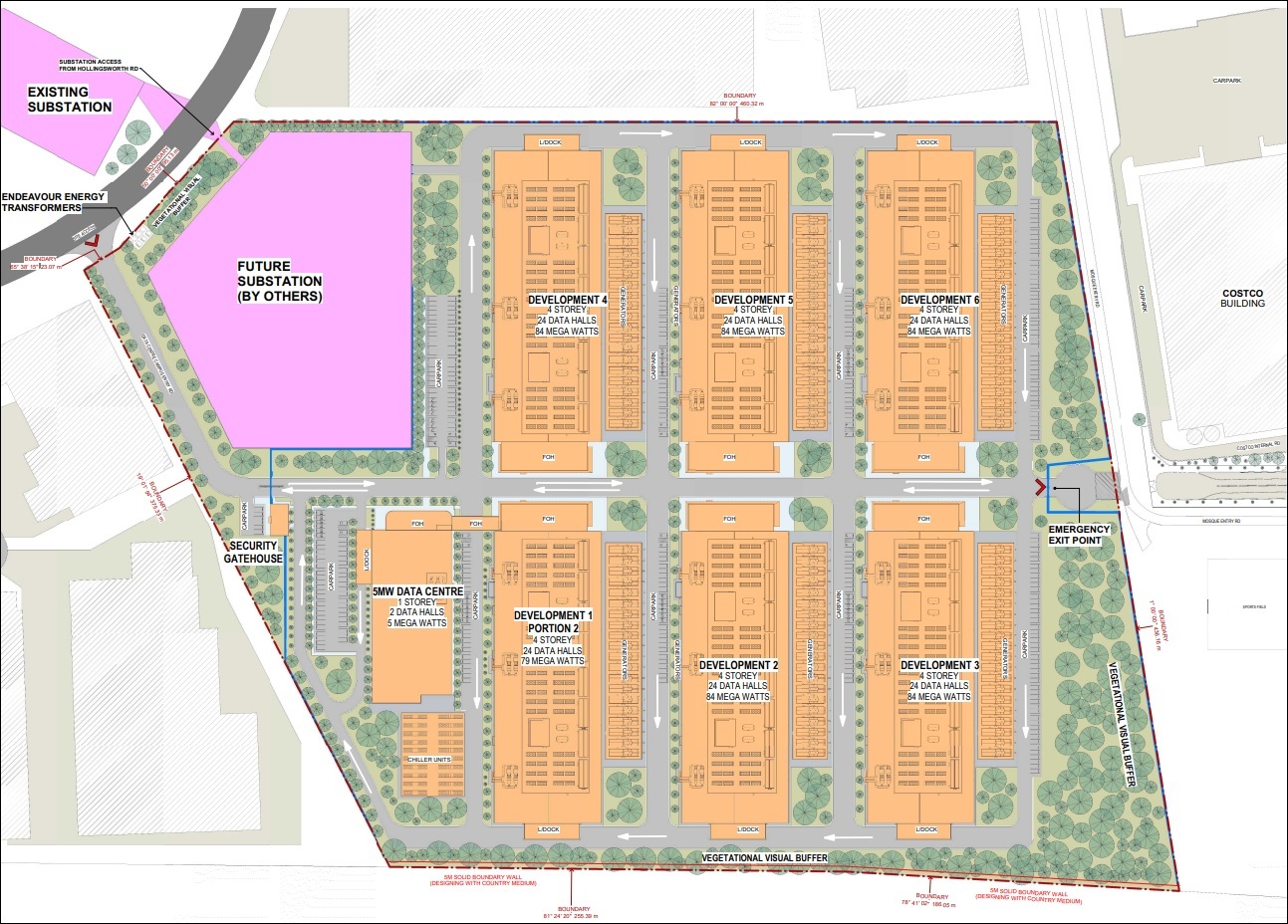
An artist's impression of the layout. Image: CDC Data Centres
The CDC data centre was approved by the NSW Investment Delivery Authority in 12 months.
The authority was established to quicken approvals for major projects, and has received 23 proposals related to data centres and technology.
NSW Minister for Innovation, Science and Technology Anoulack Chanthivong said the centre is a “great example of the vibrant and dynamic innovation sector that NSW is fostering”.
“With their strong capabilities in enabling complex and powerful computing tasks, centres like this one are crucial to supporting businesses and individuals across our state,” Chanthivong said in a statement.
“Investments like this are crucial to cementing NSW as the innovation powerhouse of Australia, and the southern hemisphere.”
NSW plays home to 90 data centres, while Victoria has 40.
Victoria makes its play
The Victorian government last week revealed a plan to capitalise on the job-creating potential of these data centres, including a $5.5 million investment in a new plan to leverage critical assets such as land, energy and talent, to unlock data centre and AI projects worth up to $25 billion in potential capital expenditure.
The plan states the government will use transport, energy and water usage data, such as recycled water, to decide where data centres can be built in the state sustainably.
“This is about creating jobs for Victorians – and protecting existing jobs by doing what we do best – educating and upskilling,” Victorian Minister for Economic Growth and Jobs Danny Pearson said.
“We’re delivering the first plan of its kind in Australia – and we’re making sure our people are at the forefront.”
A new peak body representing some of the largest data centre providers in Australia was also officially launched recently.
Data Centres Australia’s founding members include AirTrunk, Amazon Web Services, CDC Data Centres, Microsoft, and NextDC.
Earlier this year, global tech giant Amazon announced it would be boosting its investments in Australian data centres to $20 billion to 2029, including the construction of new data centres in Sydney and Melbourne.