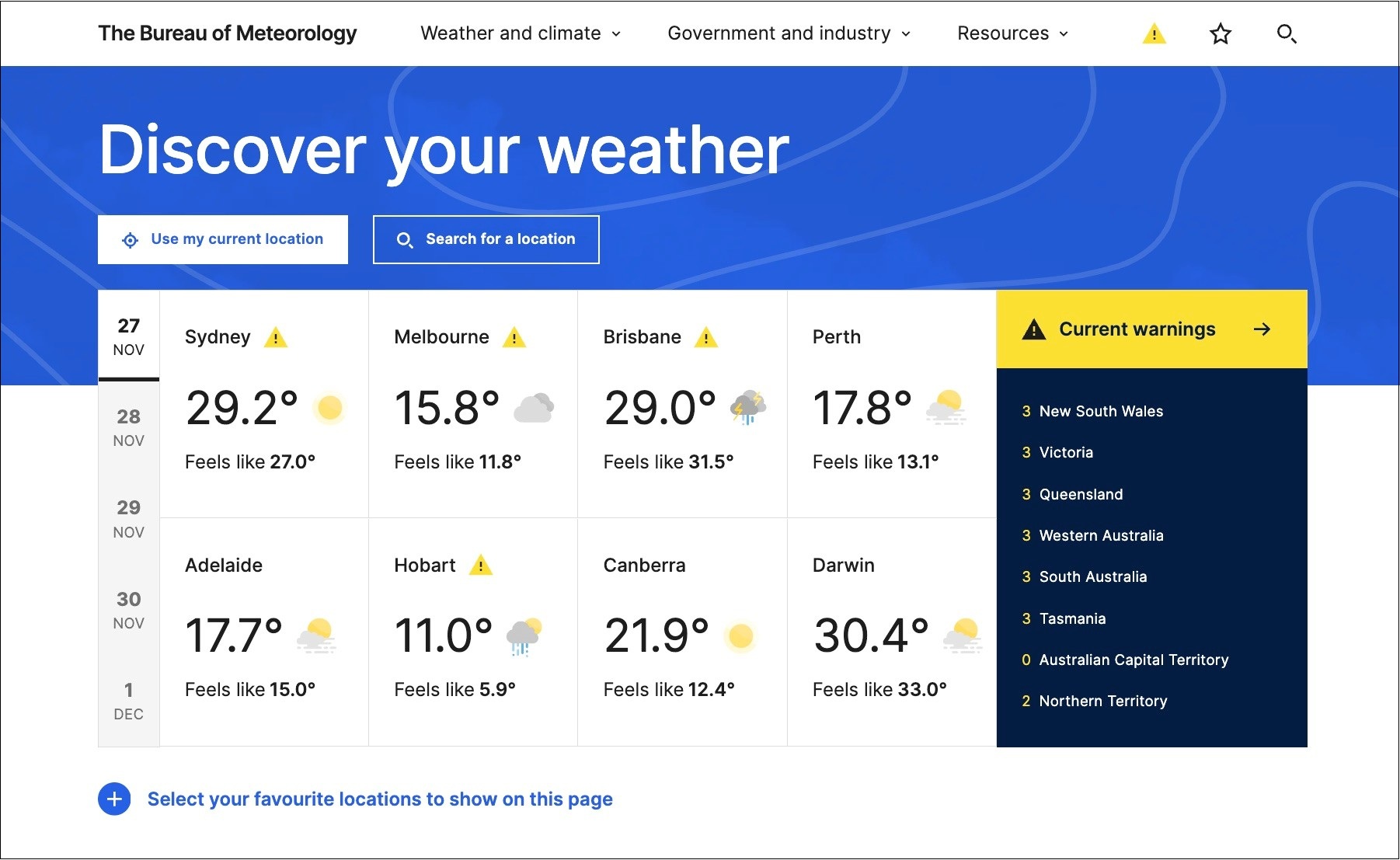

The extended overhaul of the Bureau of Meteorology (BOM) website “is not meeting public expectations,” Environment Minister Murray Watt has warned, amidst revelations that the cost of the site’s contentious redesign has ballooned from $4.1 million to $96.5 million.
That site – which went live in October – sported what the BOM called a “secure and resilient platform that will enhance the delivery of trusted services to all Australians” – with new navigation, accessibility, customisation and flexibility for the site’s 2.6 billion annual visitors.
It quickly drew backlash from users who struggled to find key information even as severe weather events like Severe Tropical Cyclone Fina threatened Australia, forcing the BOM to backpedal by reinstating its longstanding site to help users reorient themselves.
While the new website redesign reportedly cost $4.1 million as initially announced, the BOM was found to have spent $79.8 million more on the website’s backend technology and $12.6 million for security testing and promotion of the new site.
Technology pundits and political opponents sunk their claws in, with Sky News lambasting Labor over the alleged cost “blowout”, and Senator Barnaby Joyce calling it a “fiasco” that had “infuriated so many farmers” and cost $96 million “to put a B at the end of the BOM.”
CEO and director of meteorology Dr Stuart Minchin defended the final figure, which he said in an update “reflects the significant investment required to fully rebuild and test the systems and technology that underpin the website.”
The investment had helped the BOM ensure the site “is secure and stable and can draw in the huge amounts of data gathered from our observing network and weather models,” he said, adding that “given this investment, it’s vital we get it right.”
Protecting a national information asset
Even as headlines feted the cost increase as an example of government wastefulness and ineptitude, officials urged for a more nuanced analysis.
The full story “is a bit more complicated than the way people have been reporting it,” Minister for Social Services Tanya Plibersek told The Today Show, noting that the project was part of a “multi-year strengthening” that was initially funded by the Turnbull government.
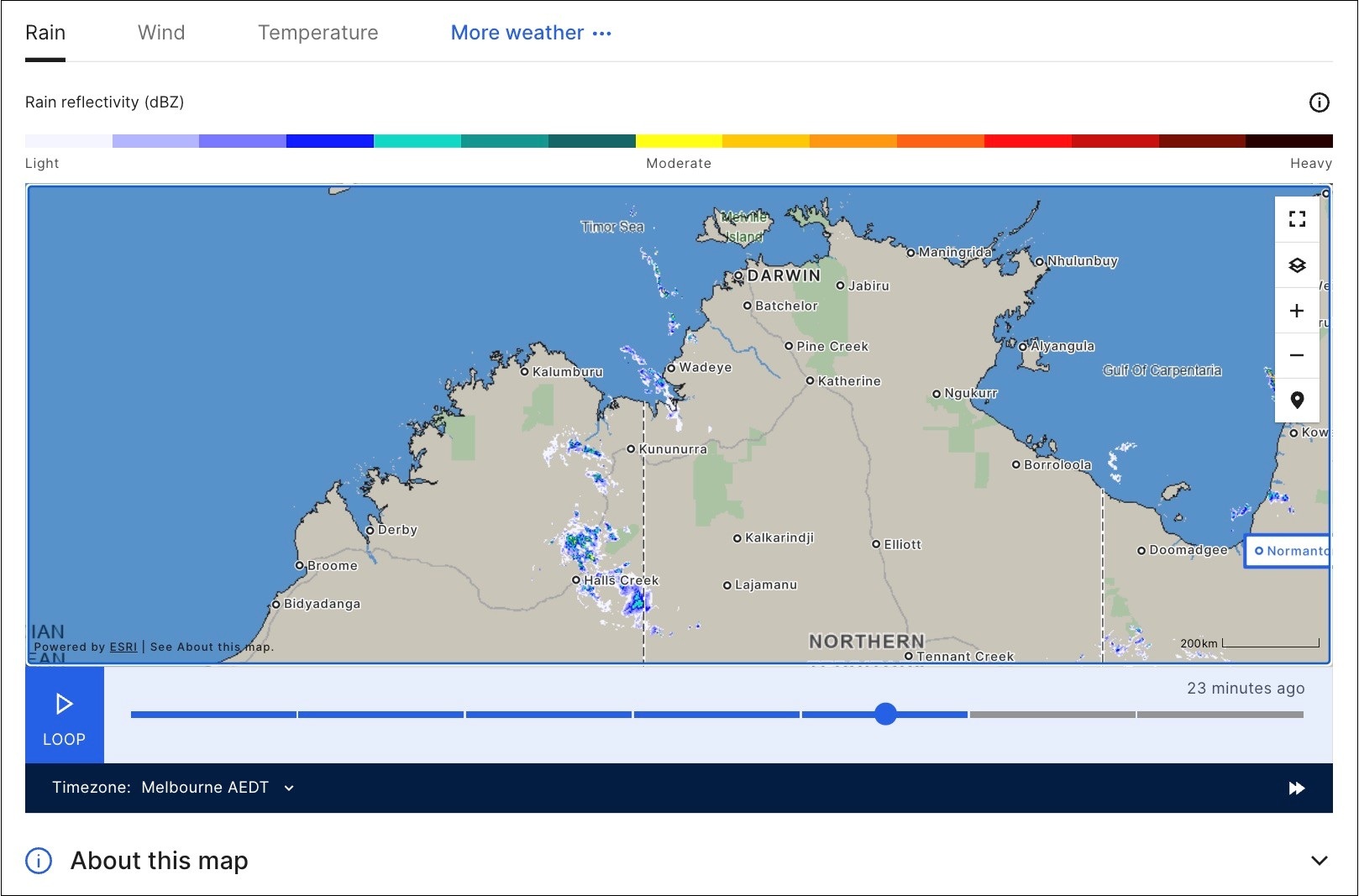
Many users have complained about complex redesigns of important features like rain radars. Source: BOM
That project was ROBUST, a multifaceted seven-year technology upgrade project designed to secure national information resources that are critical for transport, agriculture, shipping, aviation and other industries.
ROBUST was the BOM’s response to a major 2015 cybersecurity incident that compromised its systems with malware and provided a relatively complacent government with a rude awakening about the realities of global cybercrime.
The attack’s attribution to a foreign nation – reportedly China – catalysed the Turnbull government to get serious about cybersecurity, committing $230 million to a national Cyber Security Strategy that was expanded and strengthened in 2020 and again in 2023.
Yet even then, the BOM dragged its feet on security, with its site failing to support even basic security standards like the industry-standard HTTP Secure (HTTPS) protocol – mandatory for any website handling sensitive information – until 2024.
Working with the people who need it
ROBUST formally ended in June 2024, and the launch of the new site was intended to showcase its capabilities to a public that relies heavily on the information it provides.
Yet as negative feedback poured in, Minchin conceded that “the change has been challenging for some” and committed to working collaboratively with the public, and with “key user groups”, to tweak the site and help users become comfortable with its new design.
Guidance on the BOM site includes tips about using its new navigation, rain radar and map functions, favourite locations features, weather warnings, and more – as well as how to find specialised marine and other forecasts that have not yet been migrated to the new site.
For all the uproar about the site, Minchin said, BOM experts are continuing to work closely with emergency management agencies, with “embedded meteorologists and expert hazard preparedness teams” providing detailed weather reports to support emergency response.
Welcoming “constructive feedback”, he said, “I’m personally committed to ensuring the new site supports all sectors of the community with the information needed to make decisions, both for safety and daily planning.”