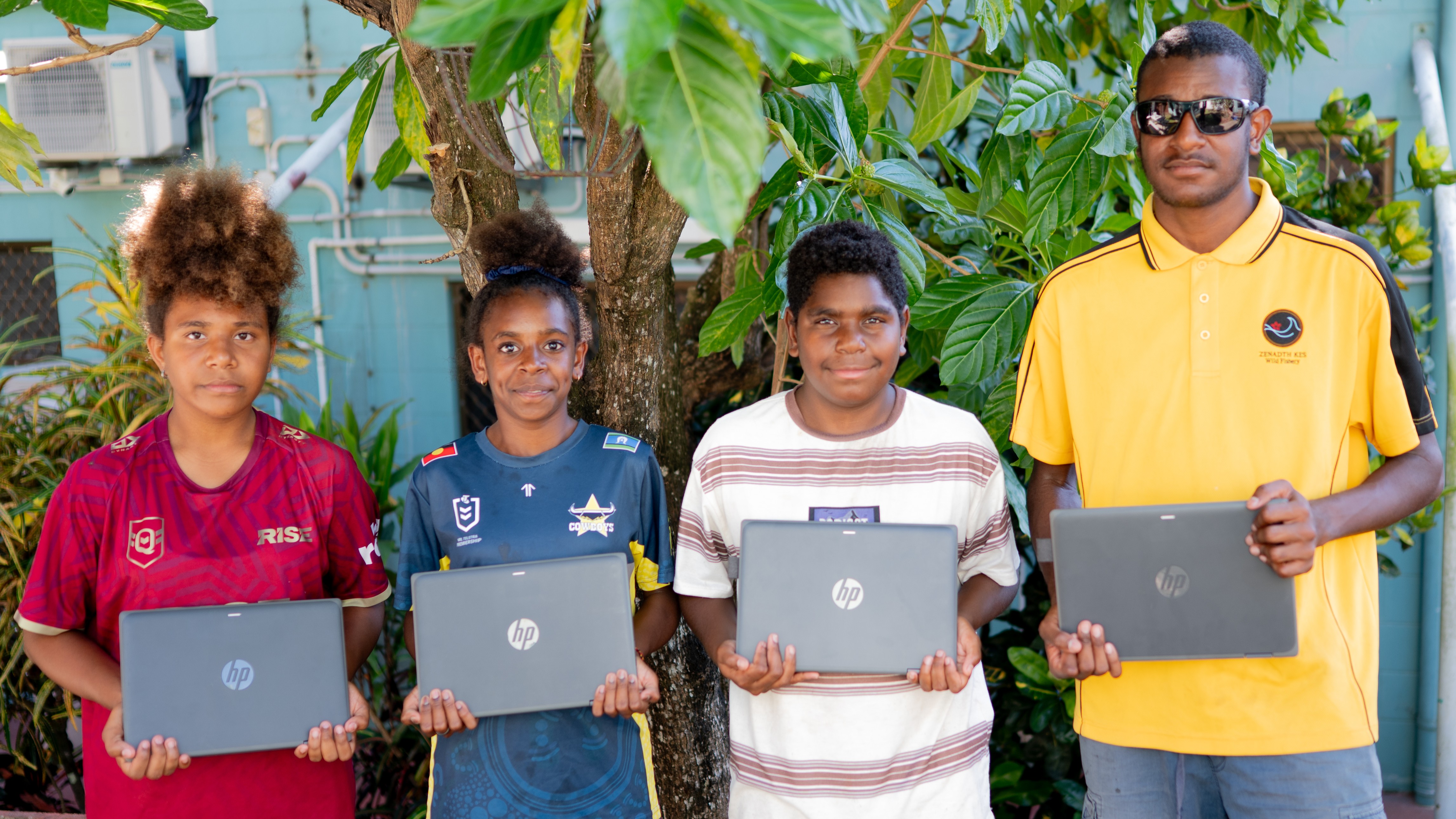

As schools embed AI and digital tools more deeply into everyday learning, a growing number of Australian students lack access to a computer at home — a gap not-for-profit WorkVentures says businesses are well placed to help close through device donation programs.
The most recent Australian Youth Digital Index found 23 per cent of young Australians — around 1.42 million people — cannot access a computer at home, up from 19 per cent a year earlier.
Around 500,000 of those young people are aged 14 and over, placing them in the high school years where reliance on digital platforms for research, assignments, collaboration and now AI-supported learning accelerates significantly.
“High school is really the critical age when you need to be building those digital skills for daily life,” Caroline McDaid, CEO of not-for-profit WorkVentures, told Information Age.
“When kids don’t have access to an appropriate device at home, they are unable to keep up with homework.”
The problem is worse for students from difficult home environments, with a recent Whitlam Institute study finding that just 28 per cent and 19 per cent of children from lower socio-economic backgrounds or asylum seeker or refugee backgrounds, respectively, had adequate digital inclusion.
Expectations that parents buy all manner of digital devices for students have created enough pressure on parents that last October, the Victorian Government stopped requiring parents to provide digital devices for primary school students – forcing schools to stock devices instead.
Despite this, businesses dispose of hundreds of thousands of devices per year as they reach their financial end of life – with last year a standout as Microsoft’s discontinuation of support for Windows 10 created a global ewaste problem sending up to 400 million computers to landfill.
Changing habits in Australian ICT departments
It’s waste on a grand scale – and, as students across Australia return to school this month, McDaid is taking the opportunity to remind businesses of the good they can do by pledging early on to donate their devices for young Australians once they are no longer meeting the company’s needs.
It’s a message she has been pushing for two decades as WorkVentures built an ecosystem of digital refurbishers that have so far rescued over 105,000 electronic devices from landfill or recyclers – and put them into the hands of digitally disenfranchised young Australians.
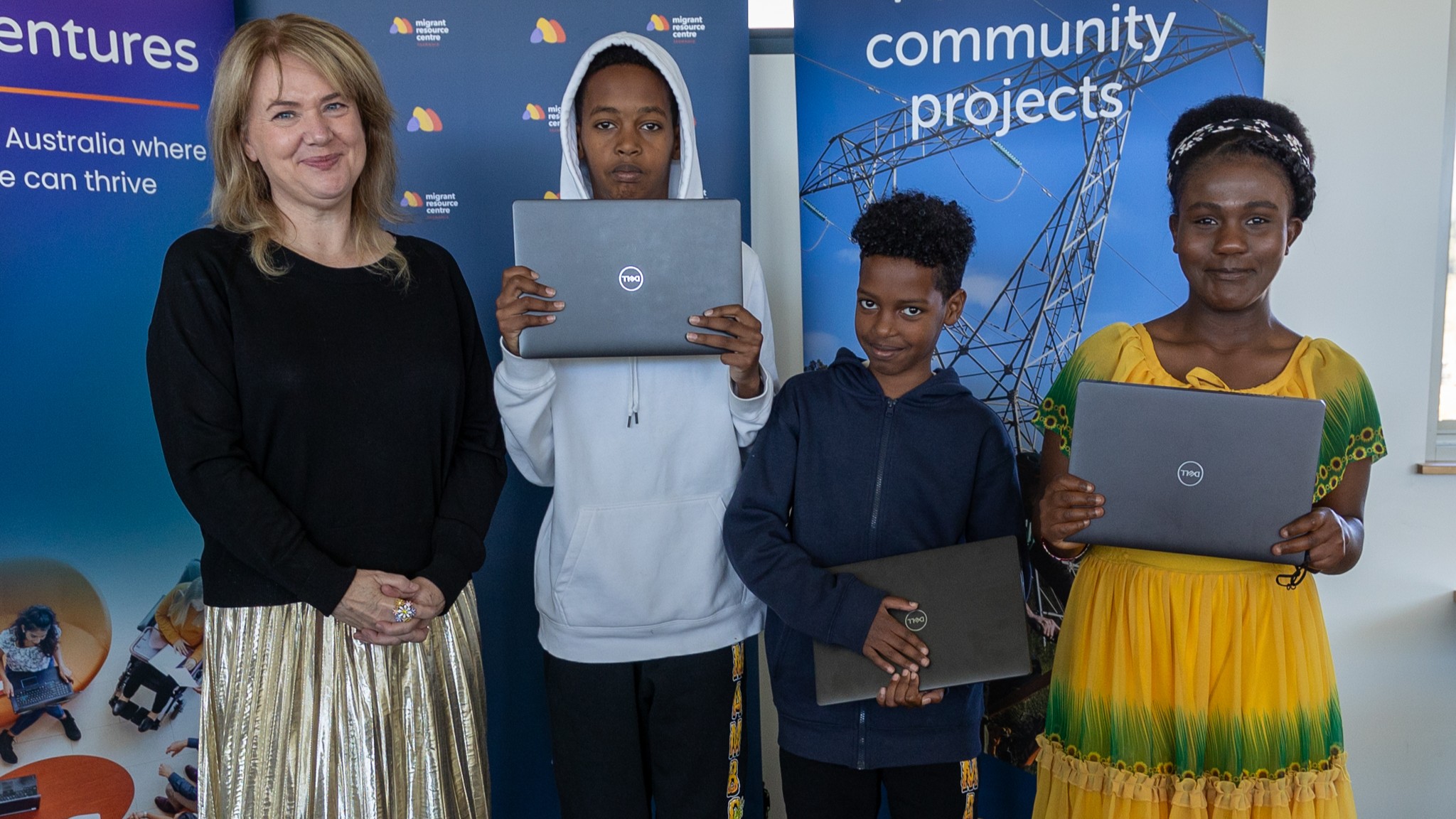
Laptops being donated to students. Photo: Supplied
It would seem to be a no-brainer for companies that are continually pushing their corporate social responsibility (CSR) credentials and, serendipitously, generally undergo planned device refresh cycles as part of IT device lifecycle management strategies designed to keep workers productive.
Companies have long used detailed assessments to plan three to four-year refresh cycles but the years of the COVID-19 pandemic were significant, when improving technology and supply chain pressures combined to convince many IT managers to extend their refresh cycles to four to five-years.
Major corporates have integrated device donation into their lifecycle planning.
Westpac Bank was an early participant in the program and remains closely involved, so far committing more than 50,000 digital devices – all of which were slated to be replaced during planned technology refreshes – to be erased, refurbished and distributed through over 6,000 WorkVentures partners.
The Smith Family is a long-term partner, as is Anglicare Tasmania – which last year launched Tech4Kids, a digital inclusion program that sent up to 1,000 refurbished WorkVentures laptops to Tasmanian families with children in years five to 12.
“We know that economic hardship and a lack of access to technology often go hand in hand,” Tech4Kids program manager Juanita Schofield said at the time, adding that “the digital divide creates additional challenges for children who are already facing barriers in other areas of life.”
Helping today’s students participate in tomorrow’s society
As important as it is, improving access to devices is just the beginning: even where students do get access to technology, many come from home environments where digital skills and mentorship can be hard to come by.
Recognising the wide range of home experiences from which young people come, WorkVentures has also expanded its remit to include technical support, digital coaching, and more.
“The idea of digital inclusion refers to access to a device and Internet connectivity, but also the skills and the safety to use it,” McDaid said, noting that each new school year’s beginning opens old scars all over again as families struggle to help their children participate in the digital agenda.
With AI integrated ever more deeply into day-to-day learning, the impact of this disenfranchisement is becoming more acutely felt every day.
Children without regular access to devices “have weaker fact-checking habits, so they’re not able to critically evaluate information and build that digital literacy which is just so important in school,” McDaid said.
“By not ensuring that all kids are on a level playing field when it comes to digital literacy, we’re not doing ourselves any favours.”