





Higher earners and those living in major cities are far more likely to be able to work from home, a new study has found.
The research by online job search platform JobLeads, based on an analysis of nearly 300,000 active job postings and a survey of more than 80,000 Australian workers, reveals that workplace flexibility is now a “luxury good”, and still inaccessible for many workers.
It comes as more than 1 million Australian workers are potentially on the verge of earning a default right to work from home, with the Fair Work Commission currently holding hearings into a proposal to add this to the Clerks Award.
The luxury of flexible work
The JobLeads data revealed that those earning between $100,000 and $125,000 are 5.2 times more likely to have flexible work compared to those making under $60,000.
While more than one in five of the higher earning jobs offer work-from-home, just 4 per cent of those paying between $30,000 and $60,000 do, the report found.
And workers based in major cities like Sydney, Brisbane and Melbourne are far more likely to have flexible work than those based in remote areas or smaller metropolitan cities.
Some of the JobLeads data is in stark contrast to that of the Australian Bureau of Statistics (ABS).
While the ABS reports that more than one in three Australians usually work from home, JobLeads' analysis of job postings found that just over 12 percent of roles offering hybrid or remote work.
This sharp difference may be due to the types of jobs being posted on JobLeads, how "hybrid" and "remote" work are defined by the ABS and the organisation, or jobs being advertised as requiring in-office attendance but then allowing flexible work at a later time.
Of the jobs analysed for the report, just over 2 per cent offer fully remote work, 10.1 per cent have hybrid arrangements and nearly 88 per cent are on-site only.
There is now a “dramatic mismatch” between what form of work Australians want and what employers are offering, according to the report.
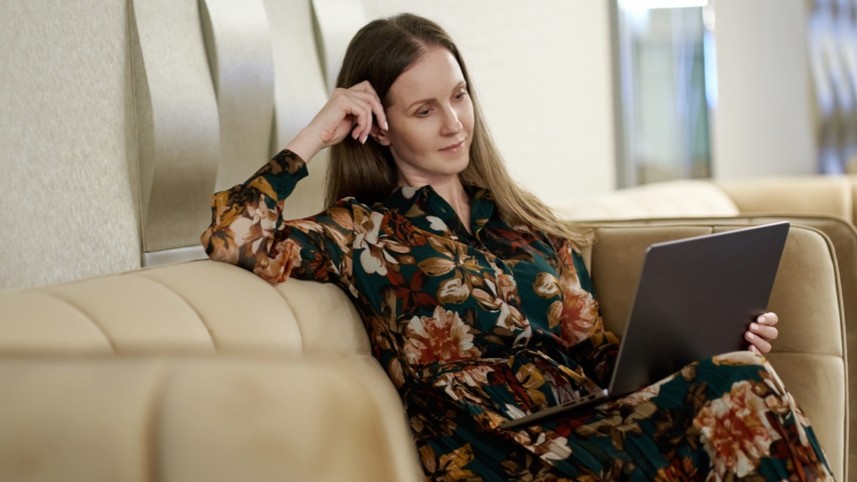
More than one in three workers have said they would leave their current employment if remote work opportunities were withdrawn. Photo: Shutterstock
More than half of the workers surveyed wanted hybrid work, but just 10 per cent of workplaces offer it, with Australians five times more likely to want workplace flexibility than they are to find it.
The tech sector boasts some of the highest number of flexible jobs of any industry, the research found, with 4.7 per cent offering remote work.
Looming FWC action
These figures may soon be boosted significantly, with the Fair Work Commission beginning a final hearing into a work-from-home term being added into the Clerks Award, which would apply to more than 1 million workers.
The Australian Services Union is driving the proposal, which would give clerical and administrative staff a presumed right to work from home if it is reasonably requested.
If such an agreement is not reached, an employer would need to then give six months’ notice before enforcing a return to the office.
The Australian Education Union is also pushing the Victorian government to allow public school teachers to have working from home options, and to introduce a trial of a four-day work week.
Australian bosses may have also admitted defeat in the battle to force workers back into the office following the pandemic, with many quietly abandoning a previously hardline stance.
Australian workers have also had a number of wins at the Fair Work Commission over flexible work.
Last year Westpac was ordered to allow an employee to work from home permanently after finding the big bank did not have reasonable grounds to refuse their request to work from home full-time.
Early last year the Commission ordered that a father be allowed to work an additional day from home to care for his young children, and rejected the company’s argument that doing so would create “distractions” and lower his productivity.
Others have been less successful however, with a Melbourne-based software engineer earlier this year losing an unfair dismissal case after he was fired for refusing to return to the office.
Companies that do plough ahead with return-to-office mandates are risking a mass exodus of staff, with previous research finding that more than one in three workers would leave their current job if they were denied hybrid work.