
Emails generated by artificial intelligence are clogging up Australia’s “broken” Freedom of Information (FOI) system according to the federal government, as it proposes a controversial overhaul of frameworks which enable access to commonwealth documents.
The plan, which the opposition has labelled “a truth tax”, was introduced to Parliament on Wednesday in a bill which sought to ban anonymous FOI requests and introduce upfront fees for more enquiries.
FOI requests are commonly used by journalists, politicians, and businesses to gather information about government workings and decisions.
But they can also be used by citizens to gain access to information the commonwealth holds about them — which accounted for around 70 per cent of all requests, according to the government.
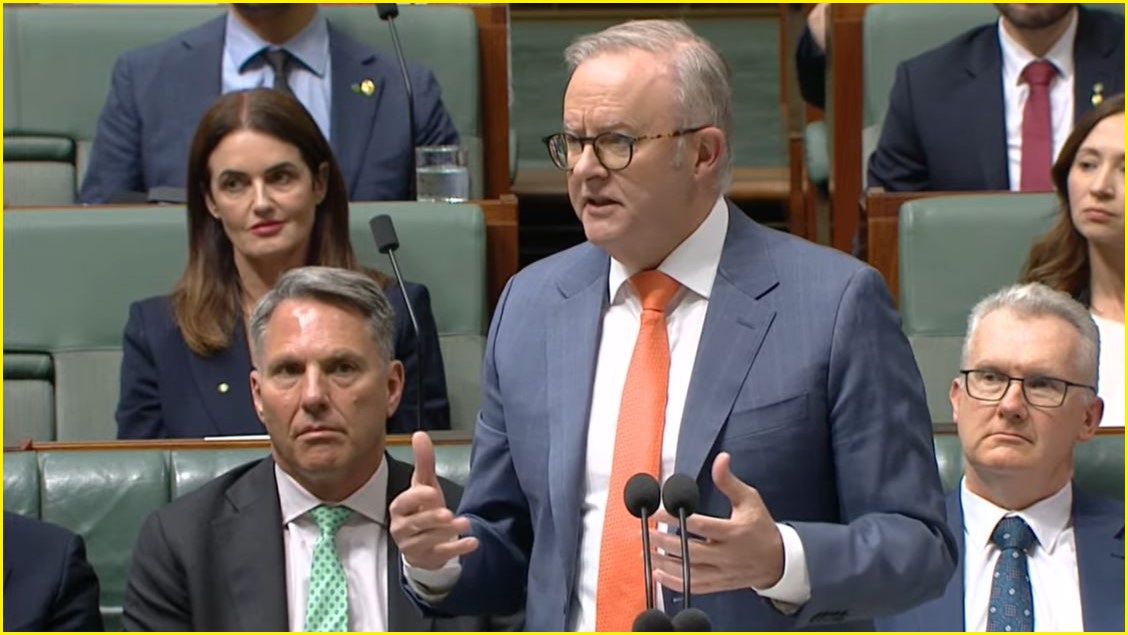
Prime Minister Anthony Albanese said while FOI was “a vital part of our democracy”, he described the system as “broken” — largely because it had not kept up with changes in technology.
“The current framework is stuck in the 1980s, and this was before new technology was there — before email, before smartphones — and we need to keep up with that,” he said during Question Time on Wednesday.
The prime minister suggested adversaries “backed by a foreign government” could easily set up free email addresses to spam the FOI system, and the availability of generative AI (genAI) models had made it easier for FOI requests to be quickly generated.
“Artificial intelligence means it is possible for someone who wants to disrupt an agency completely and bring it to a halt, is able to do so,” he said.
“Governments need to respond to changes of technology — that is what we are doing."
Under the government’s proposed changes, fees would not be charged to citizens seeking their own information, or in circumstances of financial hardship.
Some fees already exist for complex FOI requests, as well as for requests to most state and territory governments, but the government has now proposed upfront fees for non-personal requests to federal departments.
Online trolls blamed for ‘mountain’ of requests
The office of the eSafety Commissioner had seen a 2,000 per cent increase in FOI requests in 2023-24 compared to the previous year, following “a mountain of frivolous FOI requests from online trolls”, Attorney-General Michelle Roland said.
“This resulted in the diversion of an entire public service team, from their work, for more than three months,” she said.
“… The Albanese government will also not continue to tolerate a framework which allows offshore actors, whose capabilities are enhanced with artificial intelligence, to anonymously lodge FOI requests seeking information held by the Australian government.
“The idea that our laws could permit a foreign state to anonymously seek access to information about recent government decisions without us even knowing it, is simply untenable.”
The office of the eSafety Commissioner did not respond to a request for comment.
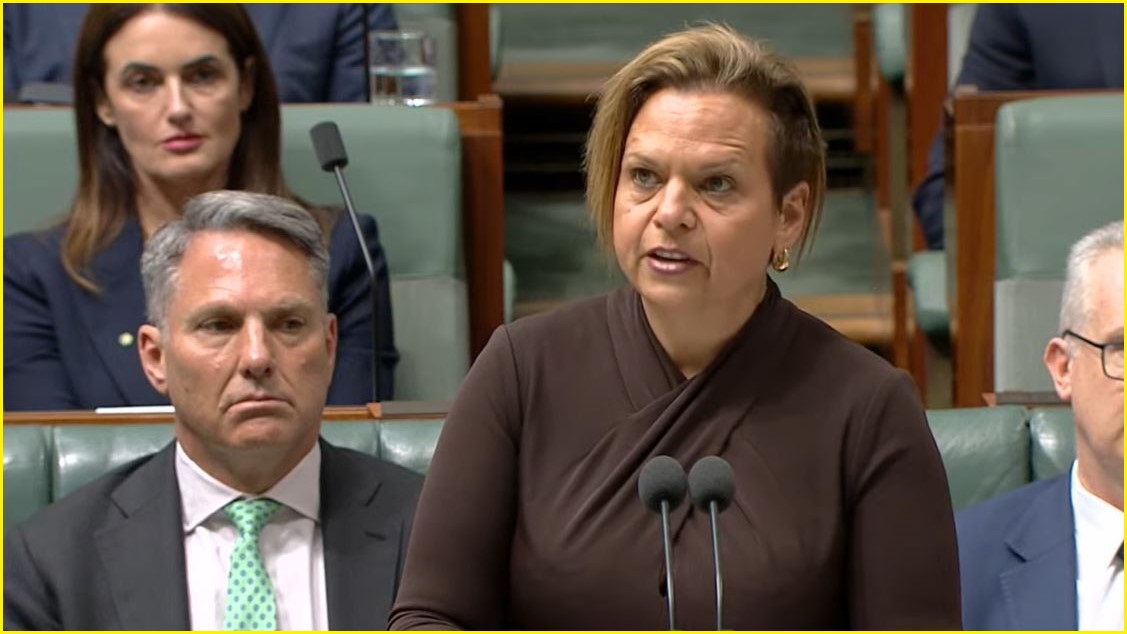
Attorney-General Michelle Rowland says AI is enabling a wave of anonymous FOI requests. Image: Australian Parliament / YouTube
Public servants had spent more than one million hours processing FOI requests in 2024, the government said.
The Office of the Australian Information Commissioner (OAIC) had also seen a doubling of complaints relating to FOI requests over the past five years, officials added.
Communications Minister Anika Wells said on Tuesday that her office had also been “deluged with FOIs”, and it was “very apparent” that many had been auto-generated.
Critics ‘sceptical’ of AI’s impact
Critics of the current FOI scheme have previously raised concerns about the time it can take to process requests, and that documents eventually made public can often be heavily redacted.
The government’s new proposal has faced opposition from the coalition and The Greens, who have urged Labor to provide hard evidence of technology’s impact on the FOI system.
Greens Senator David Shoebridge argued the government sought to make the system “more expensive and even more impenetrable”.
“If you want to target AI bots and foreign actors then first, show us the evidence and second, target them specifically, not the many regular users of this system including whistleblowers, journalists, and politicians,” he said in a statement.
Shadow Attorney-General Julian Leeser told ABC News on Thursday that the opposition was “very sceptical” about the government’s FOI proposal, and he was “not sure the government’s concerns about bots justify what they are putting forward”.
He also suggested “technological issues require a technological solution”, but did not specify if that should involve AI.
University of New South Wales AI expert Toby Walsh reportedly told Capital Brief that while relying on AI to run the FOI system would be a “bad idea”, the technology could be “very helpful” in processing backlogs of documents — if a human double-checked its work.
The government said it would refer its proposed FOI changes to the Senate Legal and Constitutional Affairs Committee for scrutiny.
Leeser, who earlier this week dubbed the government’s plan “a truth tax”, said he would consider any “sensible ideas” which came out of the committee’s review.