
Building additional student housing has given 31 Australian universities the right to increase their enrolments of overseas students, promising additional revenue that will help them recoup some of the building costs as the government announces each institution’s allocation for 2026.
Relaxing a controversial cap on the number of international student numbers that was introduced last year, the government has authorised the addition of 17,500 additional places for overseas students – reflecting a newly announced increase in the National Planning Level to 295,000 places.
The newly announced New Overseas Student Commencement (NOSC) allocations provide hundreds of new positions for each university compared to 2025 allocations, with the University of Melbourne increasing from 9,300 overseas students to 10,500 and University of New South Wales (UNSW), 9,500 to 10,350.
Australian National University increases from 3,400 to 3,750 positions while Griffith University moves from 3,600 to 3,950 positions; University of Queensland from 7,050 to 8,050; Western Sydney University from 3,400 to 4,000; and University of WA from 3,000 to 3,550.
Five institutions did not apply for increases, while one university was singled out for additional work aligning with the government's priorities before its cap could be lifted.
Reflecting the government’s stated policy priorities, universities have been prioritised for additional overseas enrolments if they’ve been able to demonstrate a commitment to engaging with south-east Asian markets, and are investing in new student housing to support the increases.
More than 11,000 new beds for overseas students are under construction, with another 15,000 already having secured development approvals and over 12,000 beds in the planning process.
That’s well up from last year, when a Property Council report debunked perceptions that demand from overseas students was driving housing prices upwards – and slammed what was then projected to be just 7,770 beds that would become available by 2026.
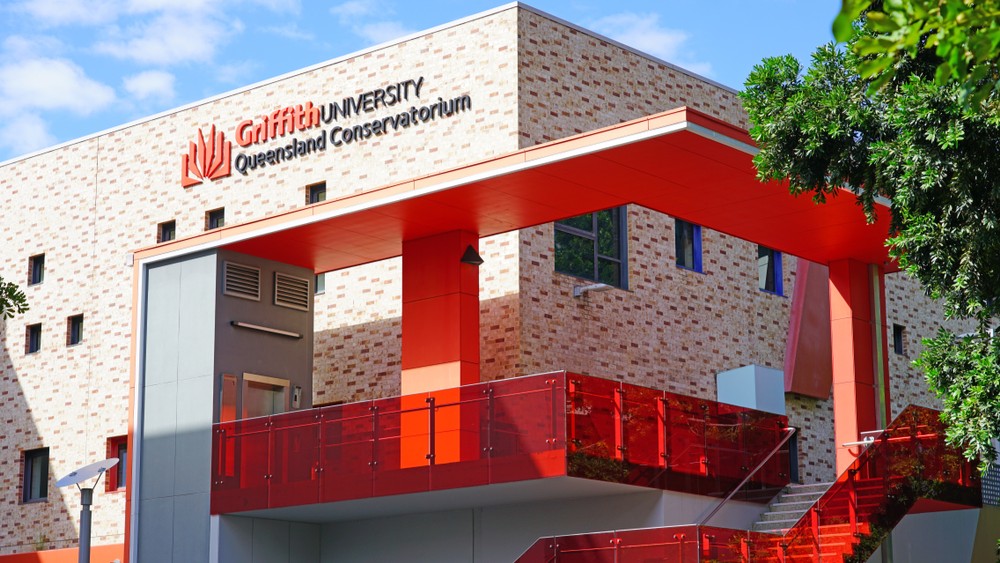
Griffith University (pictured) is one of the universities offering more places for international students from next year. Photo: Shutterstock
While the $51 billion international education sector is “an important national asset,” Minister for Education Jason Clare said in announcing the new NOSC allocations, “we need to manage it sustainably.”
“We’re making sure growth in international education happens in a way that supports the national interest and spread benefits more evenly.”
Universities welcome targeted incentives
In deciding the new allocation levels, the government has prioritised regional unis like Charles Darwin University – whose allocation grew by 15 per cent to 2,650 places – and the University of Newcastle, which will grow overseas student numbers by 28 per cent, or 450 new places.
That reflects a growing effort to bolster support for regional areas where unis “play a vital role in local communities,” Clare said, “and we’re backing them with more places.”
Increased allocations of overseas student places follow a series of other initiatives to bolster access to critical university pathways, including the recent decision to uncap Indigenous medical places – which Group of Eight chief executive Vicki Thomson called “a game changer.”
“True transformation requires sustained collaboration across government, universities, Indigenous communities, and the health sector,” she said of the new policy – which was also welcomed by Universities Australia – adding that “real change demands a national effort.”
Growth linked to cleaning up the sector
The changes are a shot in the arm for Australian universities that fared strongly in this year’s global university rankings, after years of wildly vacillating government policy – including harsh cuts and fee increases – wreaked havoc on the sector.
Visa applications by overseas students, for example, are down 26 per cent compared to last year even as the sector fights revelations that some educational providers have been exploiting the system and the graduates it produces, who are struggling to find relevant work after graduating.
More recently, a number of graduates sued their universities after learning the degrees they spent years obtaining had not been accredited by relevant professional bodies.
A Parliamentary inquiry is exploring these and other issues, while the government this month legislated to “strengthen the integrity of the international education sector” – including tightening “fit and proper” requirements due to what Clare called “collusive and unscrupulous practices”.
By linking the new allocations to investments by universities, the government’s policies reflect its desire to rebuild student numbers, but more sustainably – with Universities Australia CEO Luke Sheehy echoing calls for more proactive collaborations between governments and universities.
Improving housing “is a team Australia effort,” he recently told ABC Radio, slamming the “furphy” that overseas students have fuelled the housing crisis and adding that “universities are looking forward to working with the government on ensuring that there’s more housing available.”
“It is important that universities have investment in housing,” he said, “but we’ve had billions of dollars stripped out of the university system and we need more funding and more capital to build that housing for students.”