
Australia’s national science agency CSIRO says it will cut up to 350 more research jobs after already removing over 800 positions in the past 18 months amid rising costs and stagnant funding.
The news comes just days after the heads of CSIRO's digital and manufacturing research arms — which have both seen job losses — left the agency simultaneously, as Information Age exclusively reported.
CSIRO said on Tuesday it needed to cut a further 300 to 350 full-time roles in its research teams and narrow its research focus “after decades of stretching resources”.
The organisation faced “long-term financial sustainability challenges”, it said, as its federal funding was “not keeping pace with the rising costs of running a modern science agency”.
CSIRO said it also needed to invest between $80 million and $135 million per year over the next decade to maintain its infrastructure and technology.
"This includes investment in critical repairs and maintenance to ensure safe and fit-for-purpose sites, as well as the research equipment, infrastructure, cyber protection and technology that best enables CSIRO's researchers to make discoveries and turn them into real-world impact,” it said.
CSIRO chief executive Dr Doug Hilton said the organisation needed to adapt and focus more on the research it did best — an approach CSIRO described as doing “fewer things, better” when it confirmed upcoming job losses in August.
“We must set up CSIRO for the decades ahead with a sharpened research focus that capitalises on our unique strengths, allows us to concentrate on the profound challenges we face as a nation and deliver solutions at scale,” Hilton said.
The agency’s latest cuts come after it laid off hundreds of support workers in its Enterprise Services branch in search of around $100 million in savings.
Minister calls CSIRO reform ‘essential’, staff seek greater investment
Minister for Industry, Innovation, and Science, Tim Ayres, said while news of more job cuts “will be difficult for CSIRO staff”, reforming the agency was “essential”.
“This review – the first of its kind in over 15 years – will mean that CSIRO exits or scales back research in areas where that work is being undertaken by other parts of the R&D [research and development] system and builds the foundation for strengthening and focussing effort in areas of national industrial science priority,” he said in a statement.
“Reprioritisation is difficult but essential to maintain Australia’s scientific and innovation leadership role for the benefit of Australians.”
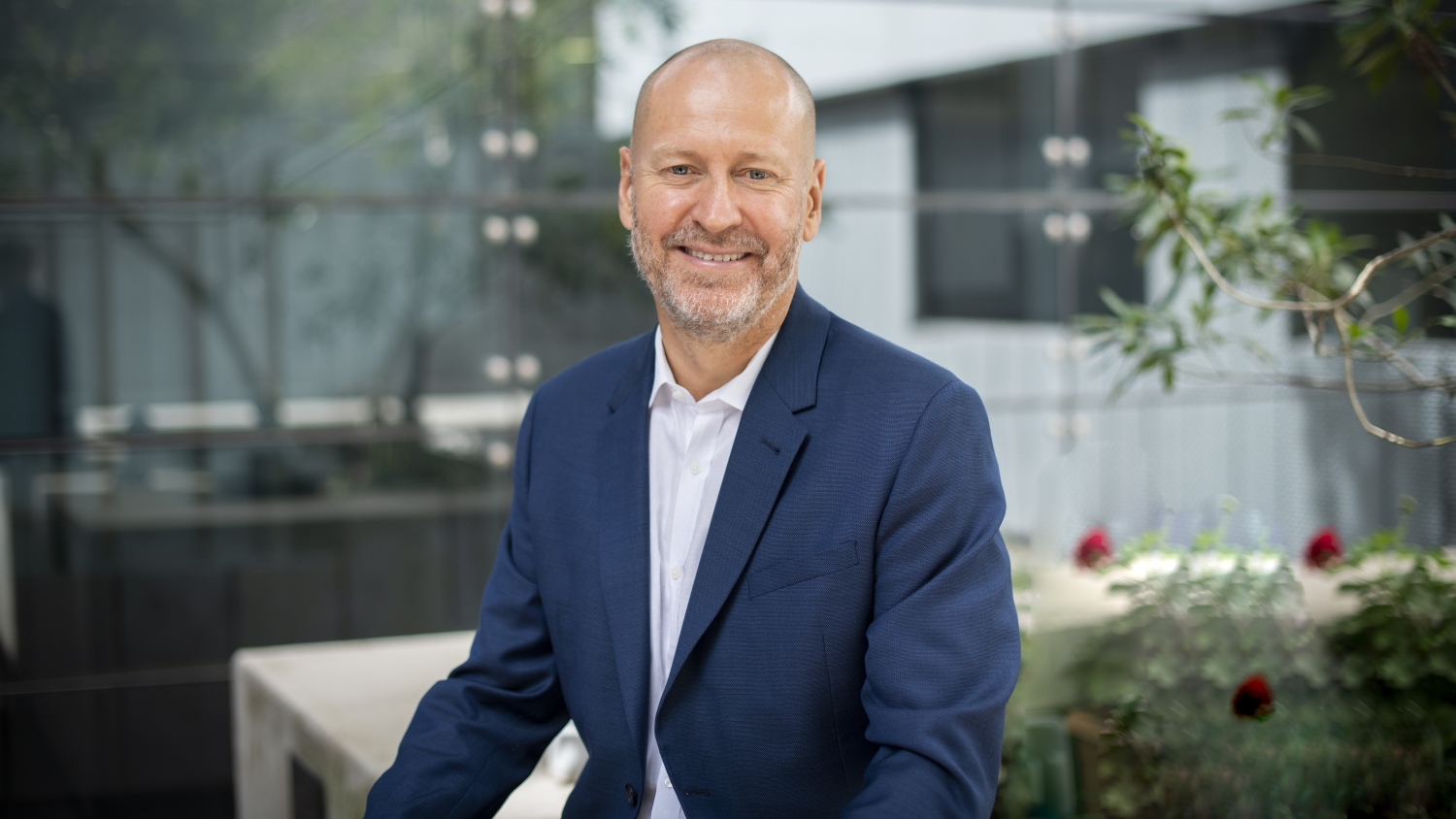
CSIRO chief executive Doug Hilton says the agency must sharpen its research focus to capitalise on its 'unique strengths'. Image: CSIRO, WEHI / Supplied
The CSIRO Staff Association accused the Albanese Labor government of being “responsible for deep and devastating cuts” at the agency and urged it to provide greater funding.
The association's section secretary, Susan Tonks, said the government was “just sitting back and watching [cuts] happen”.
“They are now responsible for cuts to public science that exceed the Abbott [Coalition] government – cuts that current Labor MPs rightly slammed at the time,” she said.
“These are some the worst cuts the CSIRO has ever seen, and they’re coming at a time when we should be investing in and building up public science.”
Shadow minister for industry and innovation, Alex Hawke, said CSIRO’s work was “under siege by Labor’s mismanagement”.
“Minister Tim Ayres needs to explain whether there will be any further job or funding cuts at the CSIRO and exactly how research being delivered by the CSIRO will be impacted by Labor’s cuts," he said.
“The minister must also explain how Australia’s biosecurity, crop protection and industrial research capabilities will be protected as a result of these cruel cuts.”
Hawke said the Opposition would “closely examine” the issue of CSIRO funding during Senate Estimates hearings in December.
CSIRO shifts priorities as government reviews R&D
CSIRO said a review of its research portfolio found some of its work "will need to be deprioritised", but it would scale up science which it believed it could have the most impact in.
The agency said it would renew its focus on research into clean energy, critical minerals, climate adaptation, biosecurity, and farming, as well as advanced technologies such as artificial intelligence, quantum science, and robotics.
CSIRO staff would this week take part in town hall-style meetings to discuss the potential merging of several of the agency’s existing Research Units (RUs), Information Age understands.
Science and Technology Australia, the peak body for local scientists and technologists, described the latest CSIRO cuts as “disappointing and a step in the wrong direction”.
CEO Ryan Winn said that despite CSIRO realigning its research functions, there would be “no future innovations to deploy” without improved federal investment in the agency.
The federal government commissioned an independent review of Australia’s R&D industry amid declining commonwealth and business investment in research, which is expected to be handed down by the end of 2025.
Winn warned that agencies making cuts before the government received the R&D review’s final recommendations risked creating gaps in Australia’s scientific capabilities.
“These cuts demonstrate the importance of long-term planning and sustained resourcing, considering the impact of inflation, for our national science capability,” he said.
“We hope the strategic examination of R&D recommendations will deliver this.”