
Intel says it plans to end some major projects and cut more than 30,000 jobs by the end of 2025, as the once-dominant chipmaker and its new CEO Lip-Bu Tan work to cut costs.
Tan told staff Intel planned to end the year with 75,000 workers — down 31 per cent from 108,900 employees at the end of 2024 — in a memo on Friday, Australian time.
Intel previously announced a 15 per cent reduction in its workforce around the same time last year and has now confirmed a further 15 per cent reduction as it attempts to end its financial losses.
“I know the past few months have not been easy,” Tan told Intel staff.
“We are making hard but necessary decisions to streamline the organisation, drive greater efficiency and increase accountability at every level of the company.”
Intel declined to comment on how many Australian jobs may be lost, and the company was not advertising any Australian roles on its website at the time of writing.
Tan, who took Intel’s top job in March after former CEO Pat Gelsinger was reportedly pushed out of the company, said the latest job cuts were “critical to strengthening our competitive position going forward”.
“To everyone who will be leaving Intel: Thank you, sincerely, for your contributions,” he said.
Intel also announced it would cancel planned projects in Germany and Poland, while also moving some assembly and testing work from Costa Rica into other sites in Malaysia and Vietnam.
‘Eliminate bureaucracy and empower engineers’
Intel had already completed “a significant amount” of its workforce reductions, including “streamlining the number of management layers by about 50 per cent”, Tan told staff.
The shift reflected similar sentiments from Microsoft, which said in May it would reduce layers of its management structure to help reduce its own headcount.
Intel was also “on track” to implement a return-to-office policy in September, Tan added.
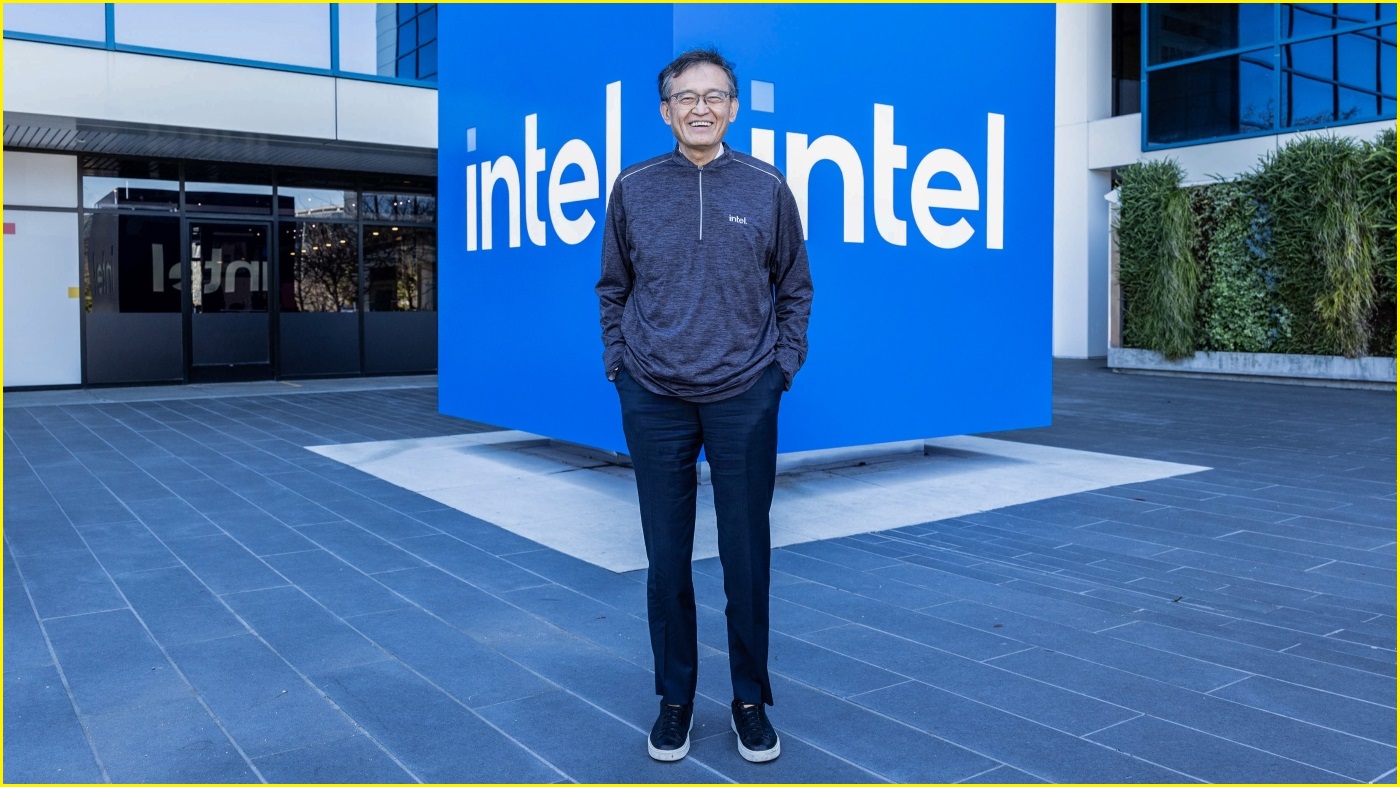
Intel CEO Lip-Bu Tan began the role in March, after previously leading US technology company Cadence Design Systems. Image: Intel / Supplied
“All of this is designed to drive organisational effectiveness and transform our culture,” he said.
“We will become a faster, more agile and more vibrant company.
“We will eliminate bureaucracy and empower engineers to innovate with greater speed and focus.
“And we will reduce our costs to enable investments in future growth."
Tan said Intel had previously “invested too much, too soon – without adequate demand” in some of its chip foundry businesses.
The company said it would “further slow the pace of construction” of a semiconductor plant in the US state of Ohio “to ensure spending is aligned with market demand”.
Facing Nvidia dominance, Intel ‘laser-focused’ on AI and core products
While Intel saw success during the PC revolution of the 1990s, it largely missed the move to mobile computing and has struggled to keep pace during the artificial intelligence boom amid competition from the likes of Nvidia and AMD.
Nvidia — once Intel’s smaller rival — has ridden the AI wave and its high demand for advanced graphics processing units (GPUs) to become the first public company to reach a $US4 trillion ($6 trillion) market value.
Intel’s market cap was now around 40 times smaller than Nvidia’s, at $US99 billion ($150 billion).
Tan said Intel was now “laser-focused” on improving its AI roadmap and its core portfolio of products.
The company's latest financial results, released on Friday, showed a $US2.9 billion ($4.4 billion) net loss for the second quarter of 2025, which included $US1.9 billion ($2.9 billion) in restructuring costs.
Revenue was flat at $US12.9 billion ($19.6 billion) for the quarter, and the company predicted another net loss in the current third quarter.