

Millions of Australian small business workers can now refuse to engage with work communications outside of office hours, under the second stage rollout of Right to Disconnect laws.
First introduced for large businesses under changes to the Fair Work Act last August, the right to disconnect means employees can’t be penalised for reasonably refusing to engage with work communications – including phone calls, emails, and text messages – outside of their allocated working hours.
As of Tuesday, the legislation will be included in awards for employees at businesses with less than 15 employees.
“The right to disconnect is now law,” said Prime Minister Anthony Albanese.
“From [Tuesday], even more workers in Australia will have the right to disconnect.”
Rather than preventing employers from being allowed to call, email or message their staff after hours, the law instead grants workers the right to ignore them.
As explained by the Fair Work Commission, this means an employee can refuse to “monitor, read or respond to contact” or attempted contact outside of their working hours, unless that employee’s refusal is “unreasonable”.
Refusal can be considered “unreasonable” if the after-hours contact is required by law, while compensation arrangements, the employee’s level of responsibility and the reason for contact can factor in when out-of-hours contact is not required by law.
The protections apply for communications from employers and from other persons attempting to make work-related contact – such as a client or member of the public calling a worker after hours.
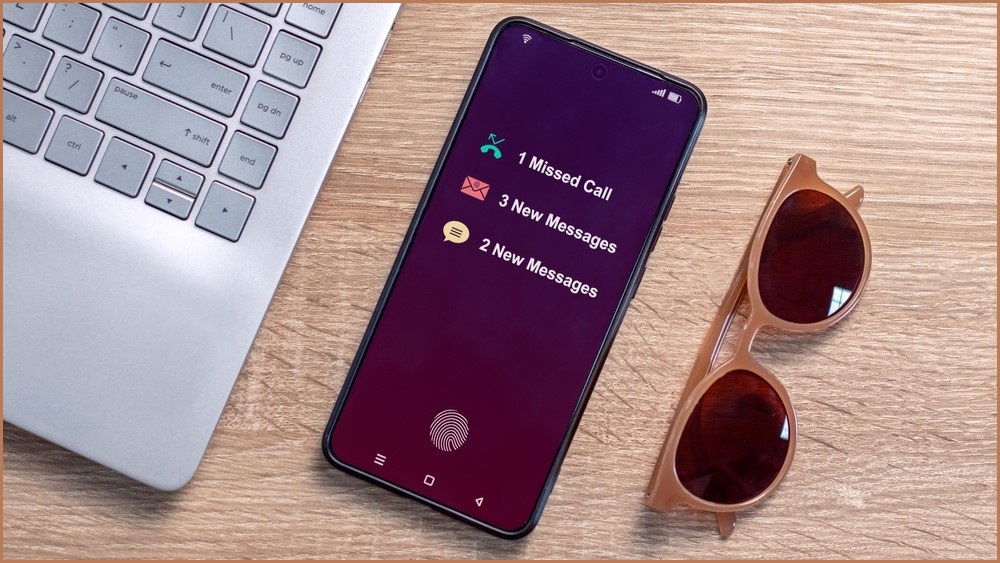
It is illegal for employers to punish employees for not accepting calls or responding to messages out of regular work hours. Source: Shutterstock
According to the Australian Bureau of Statistics (ABS), there were nearly 2.6 million Australian small businesses in June 2024 – though 62.5 per cent of these were self-employed or non-employing.
Nearly 694,000 small businesses had between one and four employees, while 232,200 employed between five and 19.
One year of disconnecting
Large businesses fronted the first year of Right to Disconnect laws with mixed results.
Even though the first three months of the legislation reportedly slashed unpaid overtime by a third, only a quarter of workers in an April 2025 survey said their workplace had a formal policy or structure around the legislation.
New research by specialised recruiter Robert Half found employee appetite for the legislation is high with 56 per cent of Australian employers having received formal requests or complaints from workers wanting to exercise their right to disconnect in the last 12 months.
Notably, 93 per cent of employers had taken action to help staff exercise their right to disconnect – including training their managers on how to manage after-hours communication, reviewing or updating HR policies, and/or modifying their on-call procedures.
An August survey from workforce management outfit Elmo Software conversely found two fifths of respondents still felt uncomfortable ignoring out-of-hours messages, while one in six had experienced negative consequences for not responding – suggesting the right to disconnect is “not fully embedded in workplace culture”.
Meanwhile, a court case filed in March – in which a Queensland teacher claimed she was fired in part because she did not respond to communications during school holidays – could mark the first test of Right to Disconnect laws and set precedent for what constitutes “unreasonable” communications.
Small businesses should get ready
Anne Nalder, chief executive of the Small Business Association of Australia, said small businesses face a number of challenges with the new laws.
“For micro businesses who don't have large staff numbers, it could pose issues,” Nalder told Information Age.
“The employee can legally refuse work related-communications outside their agreed working hours even in emergencies unless the refusal would be deemed unreasonable.”
Individual employers may be subject to penalties of up to $18,780 per contravention of a Fair Work Commission order related to the right to disconnect, while corporates could face penalties up to $93,900.
To “avoid heavy fines for non-compliance”, Nalder urged small business owners to become familiar with the laws, define what situations “warrant after-hours contact” in clear documentation, and leverage tools like scheduled emails or “urgent-only” communication channels.