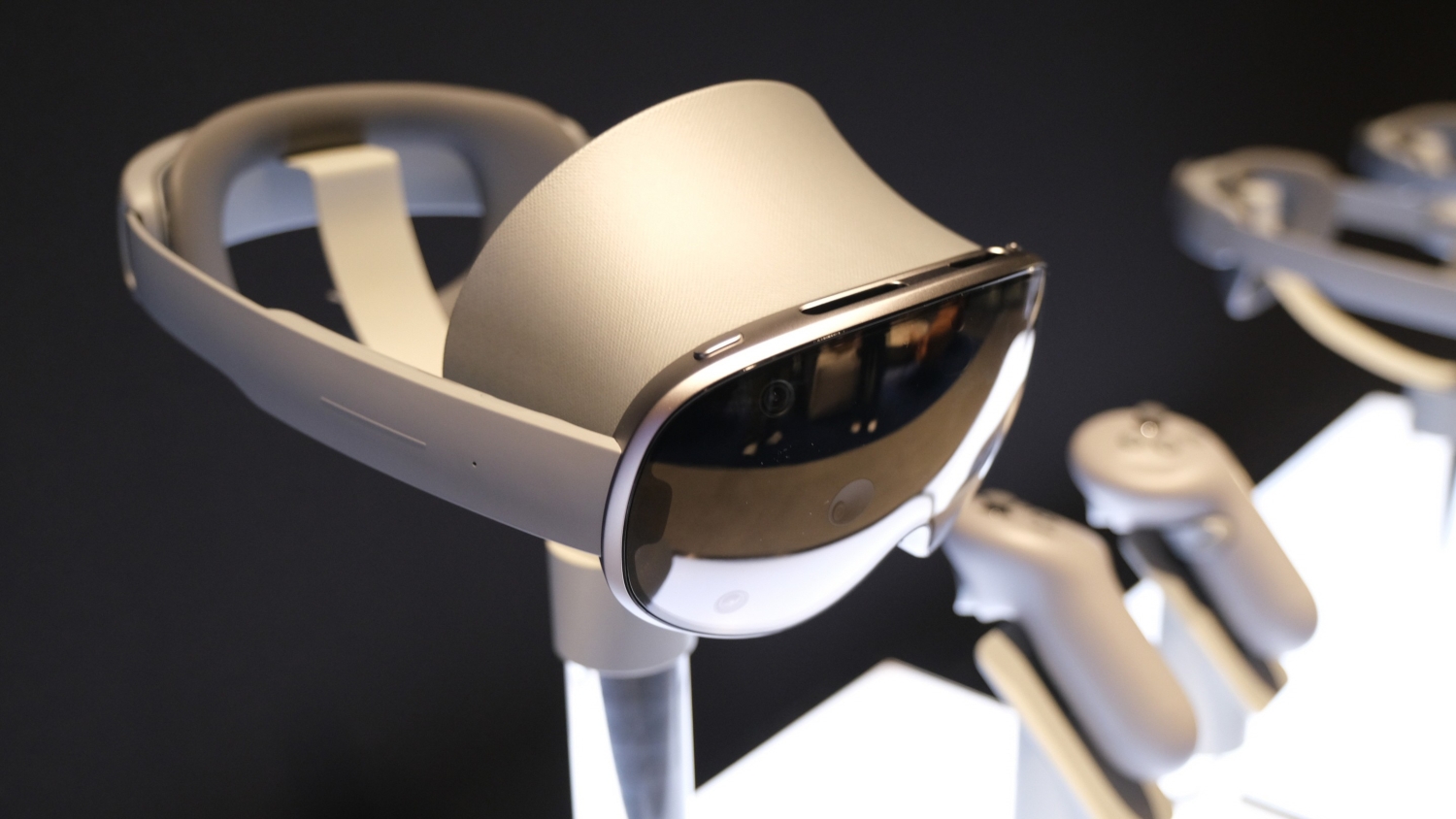

Samsung unveiled its AI-focused Galaxy XR headset on Wednesday, with the Korean technology giant revealing its extended reality device will cost around half the price of Apple’s Vision Pro.
The Galaxy XR — currently only available in Korea and the United States, with no Australian release confirmed — starts from $US1,799 ($2,800), while Apple’s Vision Pro remains at $5,999 Down Under.
Samsung had previously teased an upcoming XR headset under the codename Project Moohan, which it worked on with Google and chipmaker Qualcomm.
As Samsung’s first product for Google’s Android XR operating system, the Galaxy XR features deep integration with Google’s Gemini AI assistant, which has more capabilities than Apple’s Siri — whose big AI update has been delayed.
Gemini’s multimodal abilities allowed it to see and hear the Galaxy XR user’s actions, helping the device better respond to queries, control apps, and provide more context, Samsung said.
The device has a 4K micro-OLED screen on each eye with four million more pixels overall than Apple’s Vision Pro, but with a lower maximum refresh rate of 90Hz compared to the Vision Pro’s 120Hz.
Like Apple's device, the Galaxy XR can be controlled by making hand gestures which are tracked by the headset’s cameras and software or by using optional handheld controllers.
Samsung's headset claims up to two hours of general usage with its external battery and 2.5 hours of video playback, while Apple’s latest Vision Pro claims 2.5 hours of general use and three hours of video playback.
Google said some of its apps such as YouTube and Google Maps had been reimagined for Android XR to make them more immersive, and confirmed Netflix would be exclusively available on the platform — the popular streaming service is not available as a dedicated visionOS app on Vision Pro.
Samsung and Google also briefly showed off a virtual avatar feature called Likeness — similar to the Apple Vision Pro’s Personas — which they said was “coming soon”.
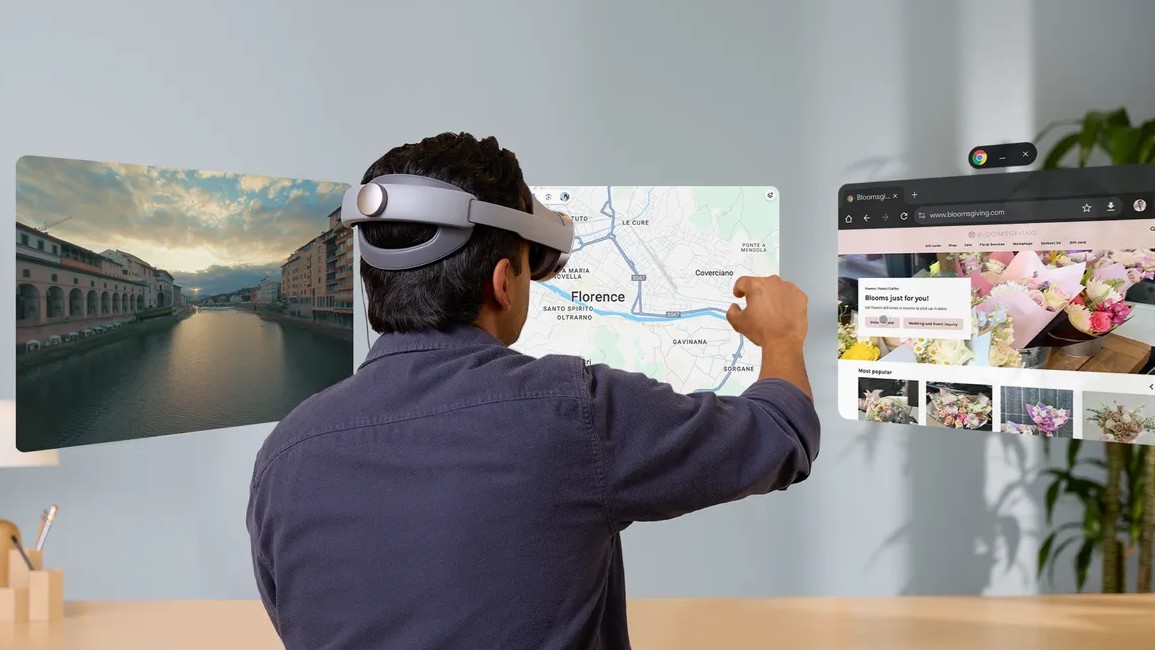
Samsung's Galaxy XR is the first product built for Google's new Android XR operating system. Image: Google / Supplied
Samsung won’t confirm Australian release
Samsung would not confirm or deny whether it planned to eventually release the Galaxy XR in Australia, and would not comment on what its Australian price would be.
In a statement, the company told Information Age it evaluated its product availability across markets “based on a range of factors”, but did not detail them.
“Samsung remains committed to providing innovative, cutting-edge Galaxy experiences globally and will continue to assess each market’s needs and trends across the globe,” it said.
Apple announced its first Vision Pro headset in June 2023, before it was first released in the US in February 2024.
The device eventually went on sale in Australia in July 2024, starting at $5,999.
Apple revealed an updated version of the Vision Pro earlier this month, with a more powerful processor and a new headband, starting at the same price.
There have been mixed reports about whether the company has shelved plans to develop a cheaper version of the Vision Pro, with some US media reporting Apple has shifted its focus to competing in the burgeoning smart glasses market.
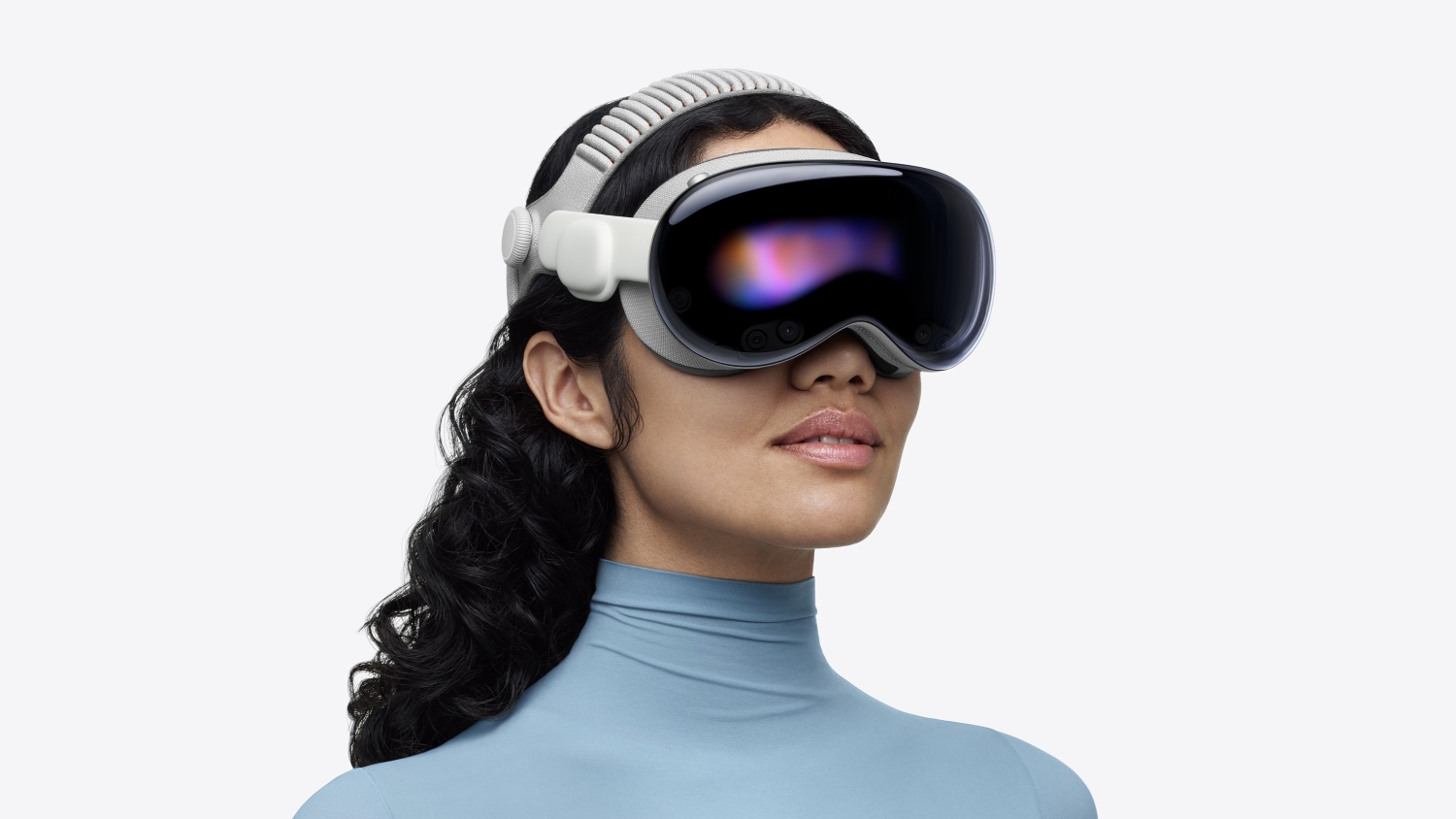
Apple released an updated version of its Vision Pro headset in early October. Image: Apple / Supplied
XR ‘just the beginning’, as AI smart glasses await
The phrase “this is just the beginning” was mentioned several times during Samsung’s presentation on Wednesday, as the company teased "an ecosystem of future devices to come” as it continued to focus more on AI and smart glasses.
The company said it would continue to work with Google and Qualcomm on new headsets and smart glasses, including AI-focused smart glasses, and both wired and wireless XR smart glasses.
The three companies also announced collaborations with glasses companies Warby Parker and Gentle Monster.
“We’re just getting started,” Google said.
While social media giant Meta has seen some sales success with its VR headsets and smart glasses, augmented and mixed reality devices are yet to reach mainstream success given their typically higher prices and the lower portability of current technologies.