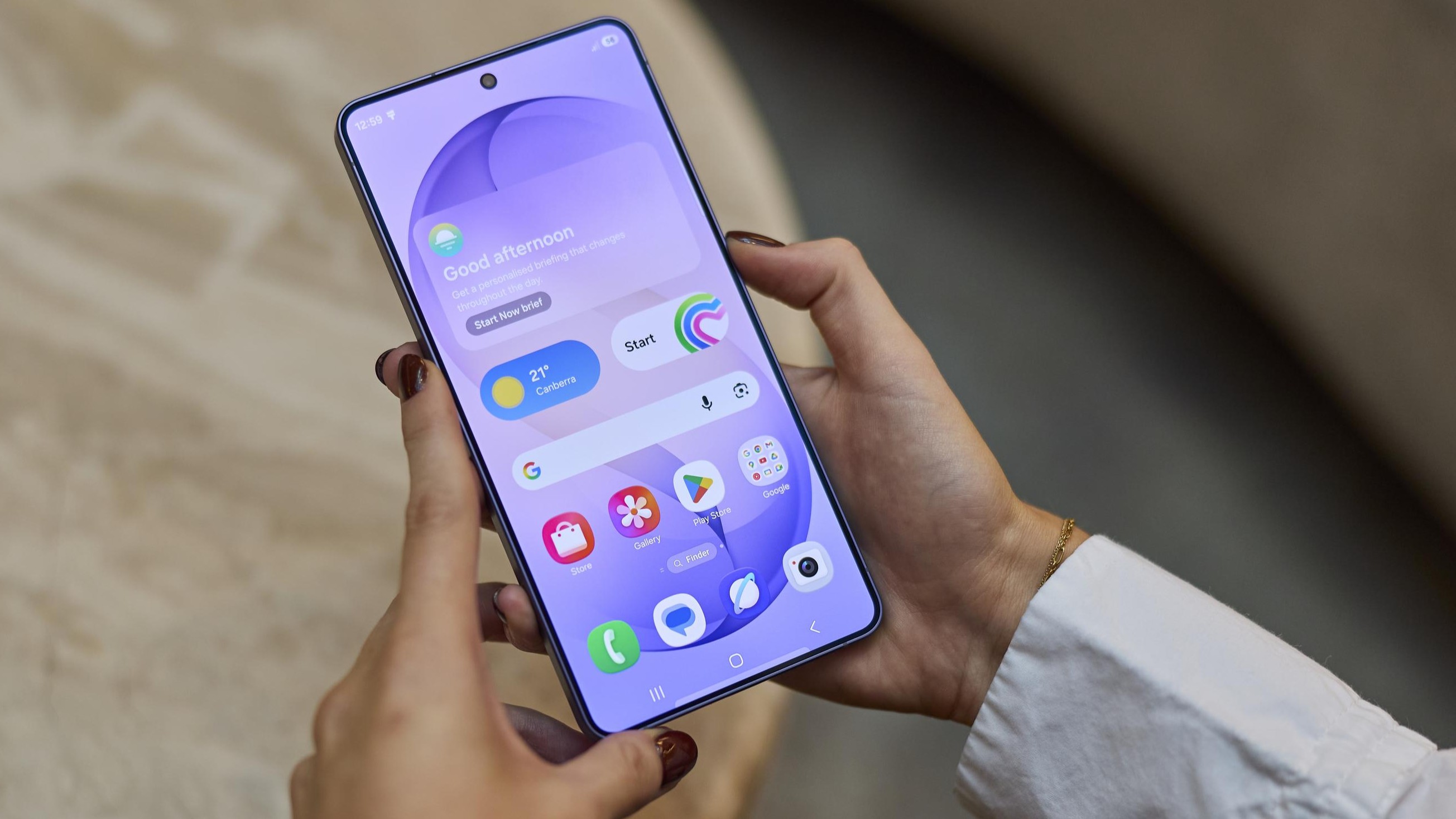

Samsung has increased the prices of its Galaxy S26 line of smartphones in many countries, including Australia, and attributed the hikes to rising costs and the ongoing digital memory shortage.
The Korean technology giant unveiled its Galaxy S26, S26+, and S26 Ultra phones on Thursday, and increased its prices after previously keeping them stable for last year’s Galaxy S25 models.
Samsung’s Galaxy S26 will retail from $1,549 for 256GB of storage – up 10 per cent from the S25’s starting price of $1,399 for the same amount of storage, as Samsung has removed 128GB models this year.
The larger S26+ will start at $1,849 for 256GB of storage, up 9 per cent from the S25+ launch price of $1,699 for 256GB.
The more premium S26 Ultra will retail from $2,199 for 256GB of storage, up 2 per cent from the S25 Ultra’s starting price of $2,149.
A top-of-the-line S26 Ultra with 1TB of storage will now retail for $2,949, up 7 per cent from the S25 Ultra’s price tag of $2,749 for the same amount of storage.
Rising component costs causing ‘tsunami-like shock’
Analysts have attributed rising consumer electronics prices to the increasing cost of semiconductors for processors, as well as solid-state storage and random-access memory (RAM), which have risen dramatically amid stock shortages as companies race to purchase them for AI infrastructure such as data centres.
Samsung acknowledged to Information Age that rising semiconductor prices were "a global challenge impacting the broader industry", but also reportedly told US publication The Verge that while increasing component costs and US tariffs had some impact on its pricing, memory shortages had made a “significant contribution” to its decisions.
"We acknowledge that these recent changes to the macroeconomic climate may affect Australians, reinforcing our ethos is to have a Galaxy for everyone," the company said in a statement.
Alvin Lee from Australian technology analyst firm Telsyte told Information Age, “[Samsung’s] higher prices reflect a combination of rising component costs and the increasing complexity of premium smartphones, particularly the growing demand for memory, storage, and advanced semiconductors needed to support high-performance AI features.”
Price has remained a key consideration for Australians when choosing a smartphone, added Lee, who said “Telsyte expects similar pricing pressure across smartphone manufacturers in 2026”.
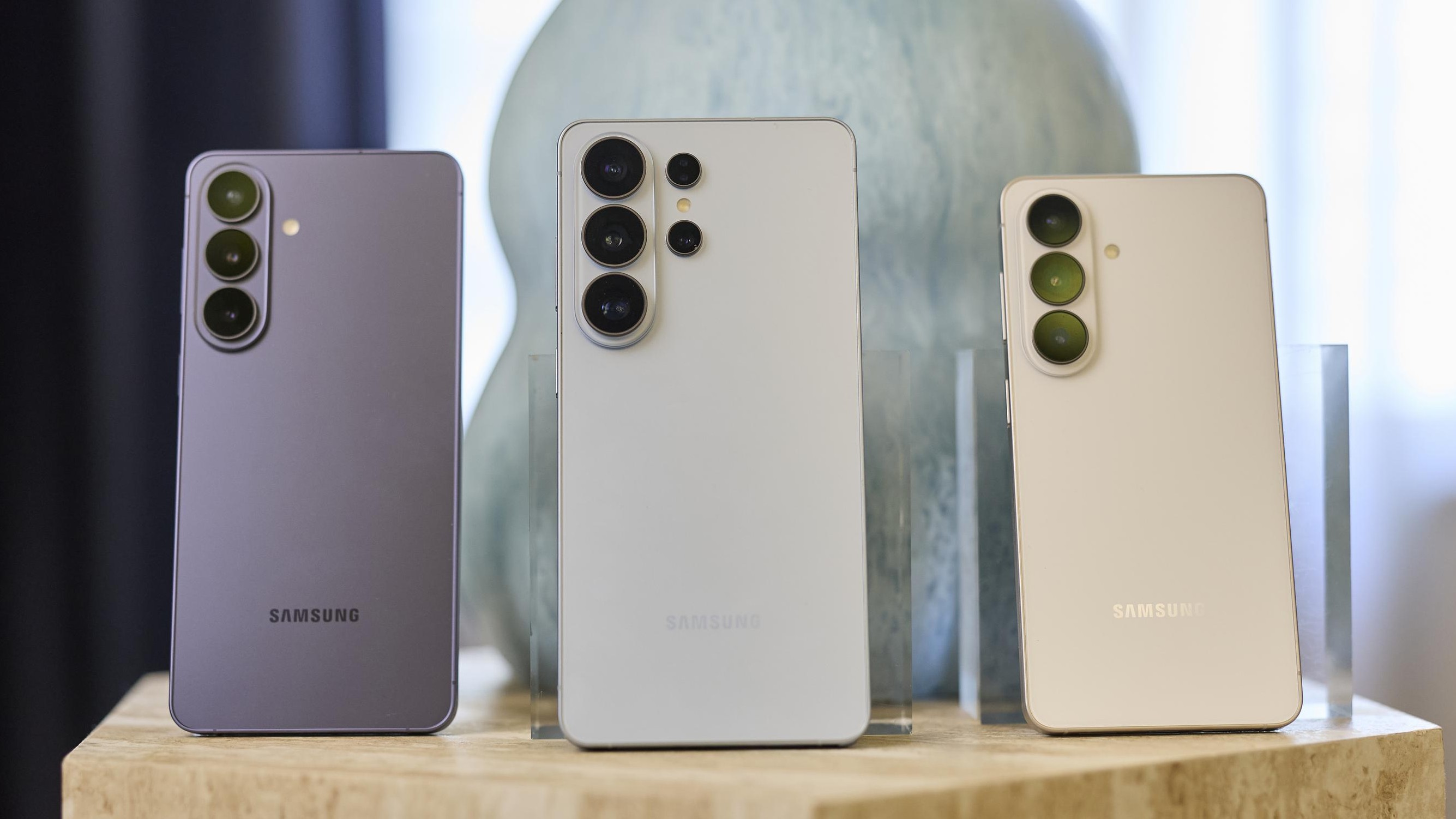
Samsung unveiled its new Galaxy S26, S26+, and S26 Ultra smartphones on Thursday. Image: Samsung / Supplied
Worldwide smartphone shipments are expected to drop by 12.9 per cent to 1.12 billion units in 2026, amid memory shortages and component cost increases, analyst firm IDC said on Thursday.
Senior research director Nabila Popal suggested the ongoing memory crisis would “cause more than a temporary decline” and would mark “a structural reset of the entire market”, as memory prices were not expected to return to their earlier levels.
IDC analyst Francisco Jeronimo said while low-end manufacturers and those running Google’s Android operating system were “likely to suffer the most” amid rising component costs, “Apple and Samsung are better positioned to navigate this crisis” and could potentially expand their market share.
“What we are witnessing is not a temporary squeeze, but a tsunami-like shock originating in the memory supply chain, with ripple effects spreading across the entire consumer electronics industry,” he said.
Apple reduced the price of its base iPhone models in Australia in 2024 with the iPhone 16, but raised the prices of its more premium models in 2025 with the iPhone 17 Pro and iPhone 17 Pro Max, while also removing 128GB storage options.
The company is expected to release new Pro and Pro Max iPhones in September 2025 – as well as its first-ever folding phone – before unveiling new base model iPhones in early 2027.
Samsung’s privacy display and Android’s agentic AI turn heads
Aside from their price rises, Samsung’s latest smartphones have also made headlines for some of their new features – including the first built-in privacy display on a mobile phone, which darkens and obscures the screen when viewed off-axis.
While some consumers already use stick-on privacy covers which can give a similar effect, Samsung’s privacy display appears to work on any angle and not just from the side like most stick-on solutions.
It can also be turned on and off, or tailored to obscure particular apps or notifications.
The feature will only be available on the Galaxy S26 Ultra, when all three of Samsung’s S26 smartphones launch in Australia on 11 March.
While Apple’s AI updates for Siri have been delayed, Samsung and Google's latest devices are set to receive updates to Google’s Gemini AI models which are expected to enable greater agentic AI capabilities for completing multistep tasks, such as ordering food.
In a pre-recorded example this week, Google showed off its AI analysing a group chat to put together a pizza order, before using a separate food ordering app to construct an order for the user to confirm and pay.
The feature, which Google says is “launching soon as a beta feature in the Gemini app for Pixel 10, Pixel 10 Pro, and Samsung Galaxy S26 series”, will initially only be available in Korea and the US.