


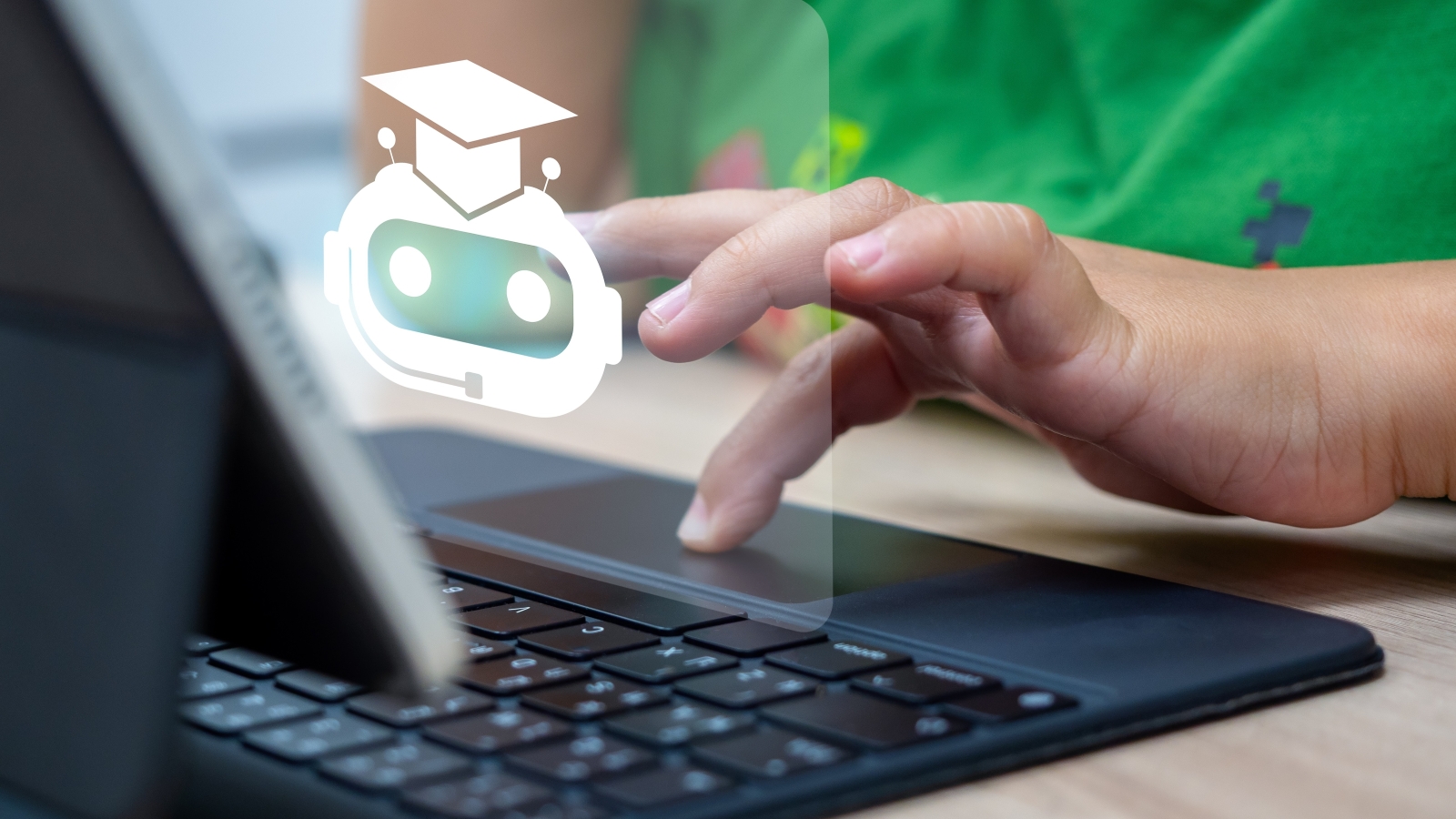

School students’ increasing use of generative artificial intelligence to complete homework and assessments poses a “real and urgent” threat to Australia’s education systems, a study of local teachers and school leaders has found.
The AI use in schools report by consulting group Learning First, released on Sunday night, drew from a 2025 survey of almost 3,400 teachers and more than 750 school leaders across government, Catholic, and independent schools in New South Wales.
Around 80 per cent of teachers and school leaders whose students use AI for schoolwork said they are worried about the technology’s impact on education, and about half of secondary teachers said they don’t know how to prevent AI-powered plagiarism or cheating, according to the study.
One high school teacher told researchers that some students expect they can “offload close to 100 per cent of their own cognitive effort” to AI tools.
“Kids are trying to get to the answer the shortest, fastest, quickest, most convenient way possible,” another secondary teacher said.
“They're missing the point that yes, getting the right answer matters – but it matters because of the process you've gone through to get there and what you've learnt by doing it.”
While the study heard AI use by students is higher in secondary schools, researchers found primary schools also face increasing use of the technology.
One primary school principal told the researchers, “Students in the early years of school are already using AI and sometimes in very inappropriate and harmful ways.”
'Urgent need’ to review take-home assessments
The report argued there is an urgent need to "protect the integrity” of assessments towards the end of high school, as unsupervised tasks such as take-home assessments where students “can potentially access AI tools” could bring their knowledge and marks into doubt.
Learning First director and report co-author Emily Pearson said, “Right now, many senior secondary assessments are susceptible to AI-related plagiarism or cheating.”
The report’s authors argued that, “If this issue is ignored, post-secondary institutions, employers, and the public may lose faith in the integrity of our country’s senior secondary assessment and qualifications systems.
“... The system is not about to completely break, but the dangers posed by AI are real and urgent.”
Learning First CEO and report co-author Dr Ben Jensen said, “Schools need to maintain effective learning and the integrity of assessment – which means taking AI out of student work.”
The study was supported by data commissioned by the New South Wales Education Standards Authority (NESA), which told Information Age the Learning First research would help it develop further advice for schools on AI usage.

Image: Learning First 'AI use in schools' report
'When AI does the work, what are teachers assessing?’
While the researchers said fixing senior student assessments required “the most urgent attention”, they argued that “action is also needed to protect integrity in the lower secondary years” in which AI-related cheating may increase.
“Our data show that 80 per cent of lower secondary teachers and 73 per cent of senior secondary teachers who report that students use AI say that they do so to complete assessment tasks,” they wrote.
“How, then, can teachers assess learning if they can’t be confident that work is really a student’s own?
“When AI does the work, what are teachers assessing?”
While some high school teachers said they try to weed out AI-based plagiarism by asking students to show evidence of their process, to make a declaration, or to answer questions in class about their submitted work, just under half of teachers said they rely on their own judgement as to whether students cheated.
Over a third said they use AI plagiarism detection software, which can sometimes be inaccurate.
Researchers suggested AI can also “harm effective teaching” if overused by teachers to develop resources, as AI systems tended to favour “activity-first” lessons which did not prioritise “the knowledge and related skills to be learnt”.
Ultimately, the report’s authors suggested that while AI can sometimes be a helpful tool for students and teachers, its harms “currently outweigh the benefits”.
NESA CEO Paul Martin said the authority has been “monitoring and responding to the impacts of AI on education", including by updating its All My Own Work program, which teaches academic integrity.
“NESA’s board continues to discuss ways to address AI and its impact on schools, including with academic education experts,” he said.
“We use contemporary data, evidence, and research to inform new policy settings and develop system-wide guardrails as the education landscape continues to evolve.”
The rise of generative AI tools is also posing a threat in tertiary education, where students recently told a Senate inquiry that AI is reducing academic standards and being used to automate some entry-level jobs, leading to fewer roles available for recent graduates.