
Scammers are creating fake fitness groups on social media platforms to trick Australians into downloading malware.
According to the Australian Competition and Consumer Commission’s (ACCC) Scamwatch, the scam advertises a range of activities including dancing, walking, hiking, and tai chi.
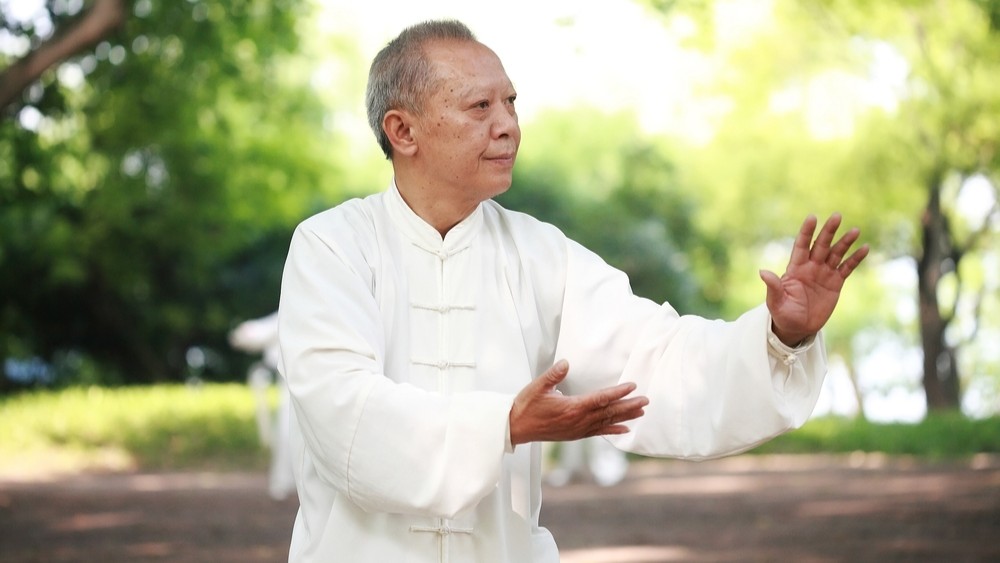
Information Age understands the scam first lures in Australian visitors with promises of health and community, backed by images of people working out in group settings.
The content of these posts vary, but two elements remain consistent: the scammers offer ‘free’ classes, then encourage the reader to get in touch via a direct message.
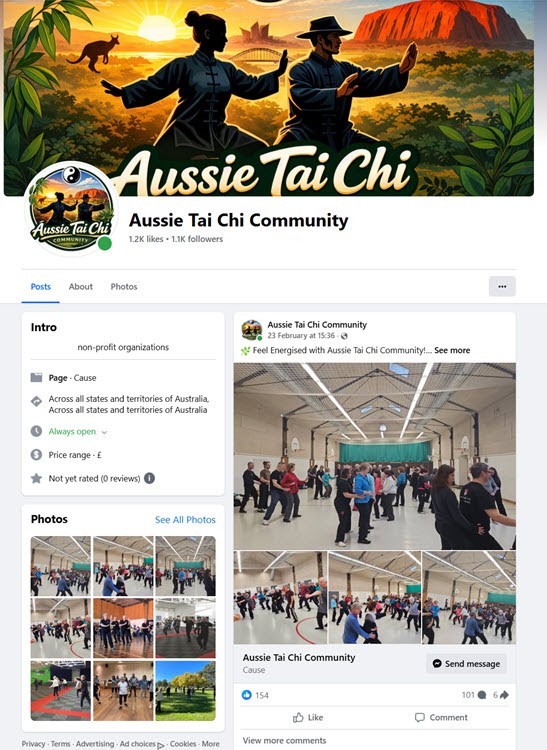
A scam page on Facebook depicts people doing tai chi in front of Uluru. Source: Scamwatch.
Those who do communicate or join one of the fraudulent groups are then contacted by a group admin – by direct message or, if a phone number is given, by phone call.
According to Scamwatch, victims are then told to “download an app from a website to view and register for the free classes”.
“The website may have a button or link to click to ‘Download’ the app from an app store but once you click, it will immediately begin downloading the malware directly to your device,” Scamwatch warned.
“The malware can access and steal your money.”
The scale of the scam and its total damages in Australia are unclear.
When asked about how many Australians are reporting or being victimised by this specific scam, ACCC directed Information Age to its broad scam statistics tool.
Facebook scam targets elderly Australians
Although Scamwatch issued an alert for the scam on Friday, Information Age was able to locate a live Facebook page that appeared to be using the same fraudulent methodology and messaging.
Titled ‘Au TaiChi Wellness Club’, the page used the same seemingly fake or repurposed images of elderly people performing tai chi, alongside messages tailored to senior citizens.
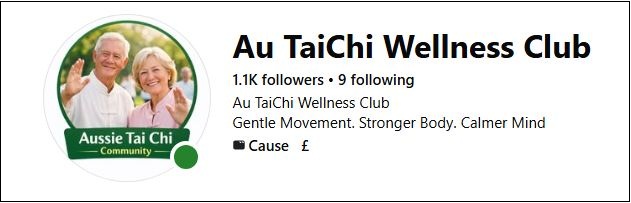
The scam page claimed to be based in Sydney and marketed senior citizens in its profile picture. Source: Facebook
Notably, all posts used language which seemed designed to attract senior citizens – focusing predominantly on flexibility, longevity and the opportunity to maintain social connections through community.
“Worried about balance or falling?” read one post.
“If you’re over 50 and want a safe, low-impact way to stay strong, this is for you.
“class is FREE [sic].”
One of the clear signs that the page was a front for scam activities was its follower-base – though the page had 1.1k followers, they were almost entirely fraudulent accounts using Vietnamese-language names.
Information Age messaged the page admin to determine if the group is still active, but did not receive a response prior to publication.
Reel attracts 10,000 views
Notably, the scam group spotted by Information Age appeared to generate significant traffic through its use of a fraudulent reel video.
The reel, which had attracted some 10,000 views, showed seemingly legitimate, repurposed footage of elderly people performing tai chi in a group class.
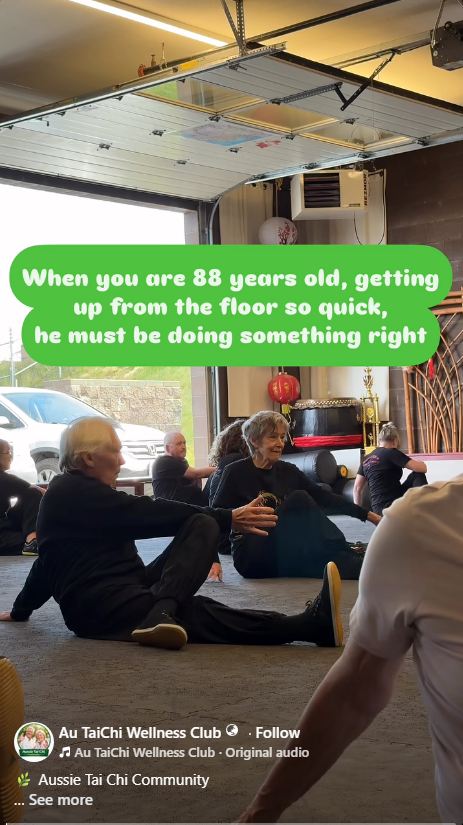
A reel with 10,000 views shows elderly ‘Australians’ attending ‘free’ classes. Source: Facebook
Across 82 comments, Australians expressed interest in the page and asked how to access classes in their area.
Notably, a group admin consistently responded by telling commenters to click a link to view or enquire about classes – though Facebook’s automatic scam prevention appeared to have removed the fraudulent hyperlinks at the time of writing.
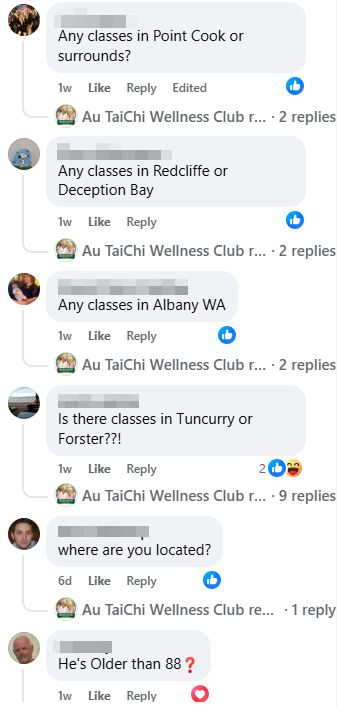
Droves of Aussies sought classes in Tasmania, Point Cook, WA and elsewhere. Source: Facebook
A reverse-image search of one of the filmed participants indicated the footage was taken from a non-fraudulent fitness class involving elderly citizens of Oregon, USA.
Scamwatch warned that the scam was also appearing on search engines.
Victims are encouraged to report the scam to the platform where it is happening, block contact with the scammer, update their passwords, and contact their bank or card provider to monitor their accounts.