



Three Chinese nationals linked to a major scam compound in the Philippines have been sentenced to life imprisonment on human trafficking charges after authorities rescued more than 1,200 people allegedly forced to conduct online scams.
Hong Li Ji, Tan Yong and Infandi were identified by Philippine authorities as leaders of the operation in Mabalacat City.
Operating under the aliases ‘Big Boss’, ‘Beta’ and ‘Ace’, the trio allegedly ran an online gambling company called ‘Colorful and Leap Group Co’ that also served as a centre for cryptocurrency and romance scams.
The operation was dismantled during a May 2023 raid led by the Philippines’ Presidential Anti-Organised Crime Commission (PAOCC).
Authorities said the raid led to the rescue of 1,137 foreign nationals and 129 Filipino citizens, many of whom were allegedly trafficked and coerced into running scams targeting victims in the Philippines and overseas.
On 4 May, Judge Rodrigo del Rosario found the three men guilty beyond reasonable doubt of violating Philippine anti-trafficking laws.
Ji, Yong and Infandi were each sentenced to life imprisonment and fined PHP$2 million ($45,000).
“This conviction is a testament to the unwavering commitment of the Philippine government to eradicate human trafficking,” former PAOCC chief Gilbert Cruz said.
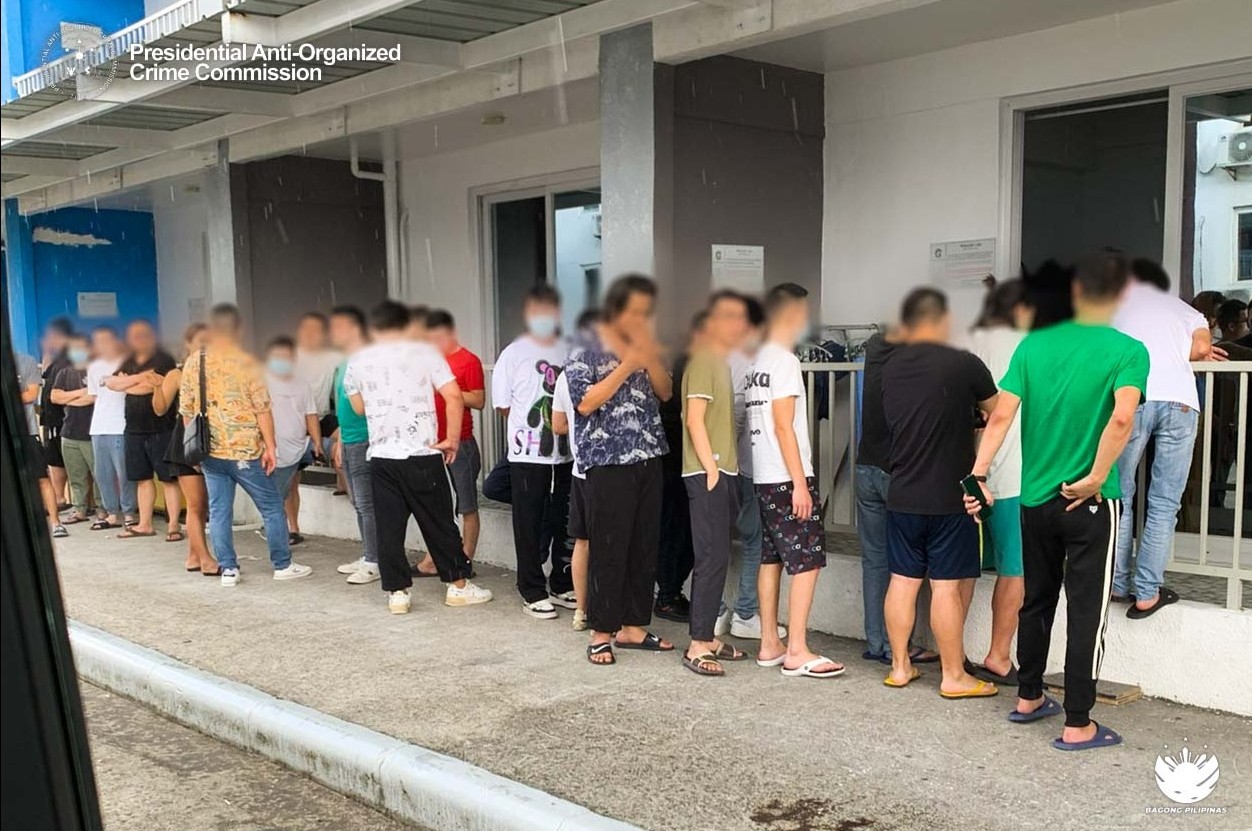
More than 1,200 workers were found in the scam centre. Photo: Presidential Anti-Organized Crime Commission
“Philippine authorities remain fully committed to dismantling illicit networks, rescuing exploited victims, and ensuring that perpetrators face the full force of the law.”
Workers allegedly forced into online scams
Among those rescued were citizens from China, Vietnam, Indonesia and Malaysia who were allegedly forced to participate in romance and cryptocurrency scams.
Authorities said victims were unlawfully recruited, transported to the Philippines and housed at the compound, where operators allegedly confiscated their passports and exploited their lack of familiarity with local laws.
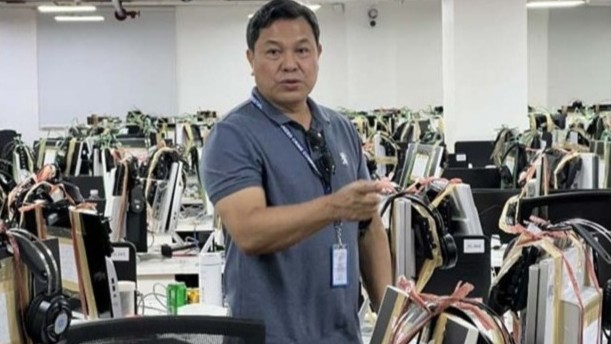
During the 2023 raid, investigators seized computers, mobile phones and other devices allegedly used to conduct the scams.
While authorities did not publicly detail every scam method used, one survivor later described how workers were allegedly instructed to create fake online identities and manipulate victims into investing in fraudulent cryptocurrency platforms.
Survivor helped identify supervisors
According to human rights organisation International Justice Mission (IJM), a survivor identified by the alias Marcus testified against the traffickers after being rescued from the compound.
Marcus said he had been trafficked to the Philippines in 2022 and forced to carry out romance scams using photos of hired models to create fake dating profiles.
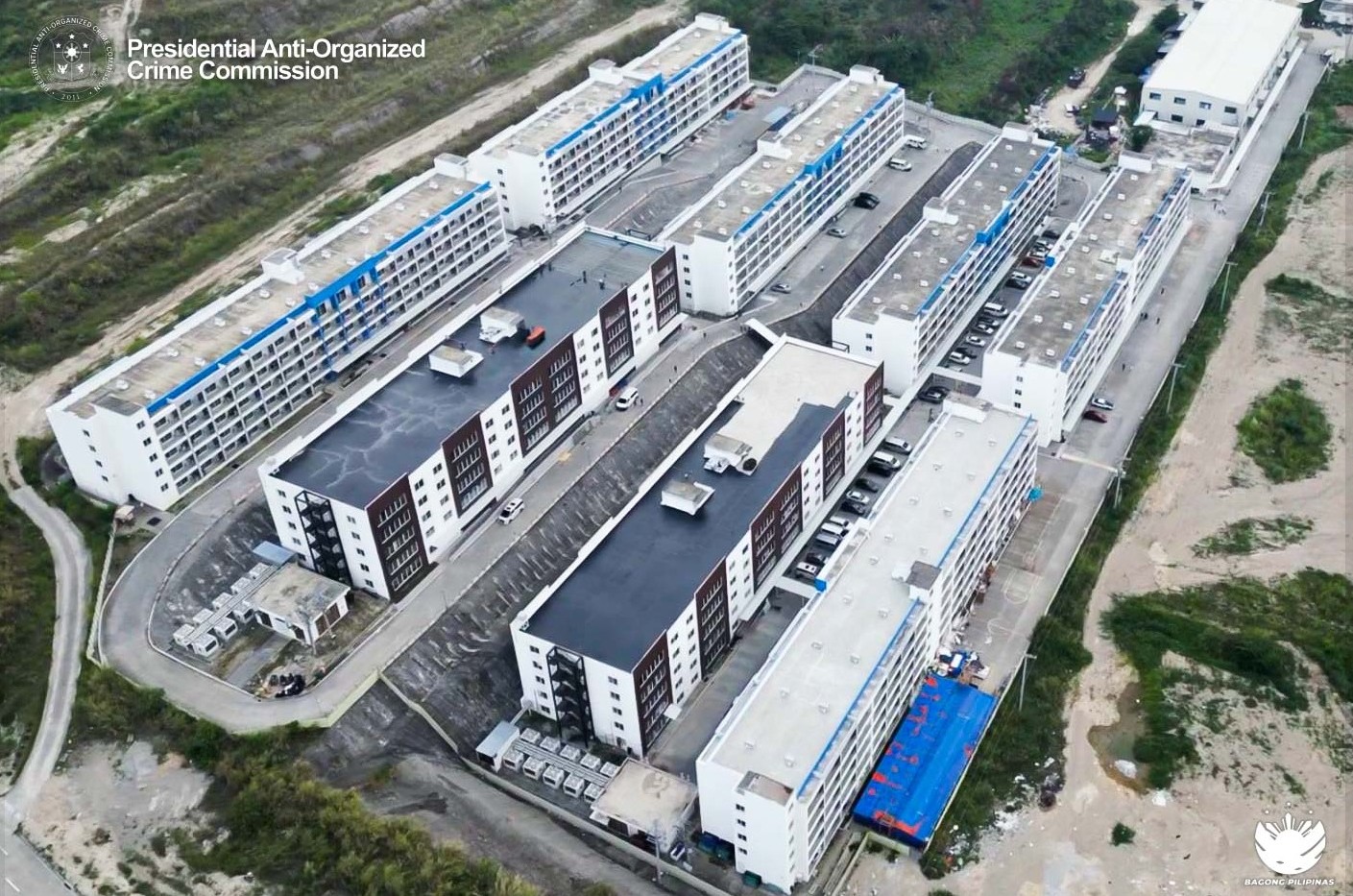
The scam centre compound was also seized by police. Photo: Presidential Anti-Organized Crime Commission
He allegedly used scripted conversations to build trust with victims before directing them toward fraudulent cryptocurrency investments.
“Testifying was my way of turning pain into purpose, and this outcome proves that justice is possible when survivors speak,” Marcus said.
After the raid, Marcus reportedly spent five months under witness protection and later helped authorities identify supervisors involved in the operation.
“This legal victory is a beacon of hope,” he said.
“It tells every survivor that their voice matters, that justice can be won, and that institutions and individuals can stand together against exploitation.”
Millions in cash and assets seized
Authorities also seized vaults containing multiple currencies, including US dollars, Chinese yuan, Philippine pesos and Thai baht.
Local reports said the recovered funds totalled about PHP$189.6 million ($4.26 million).
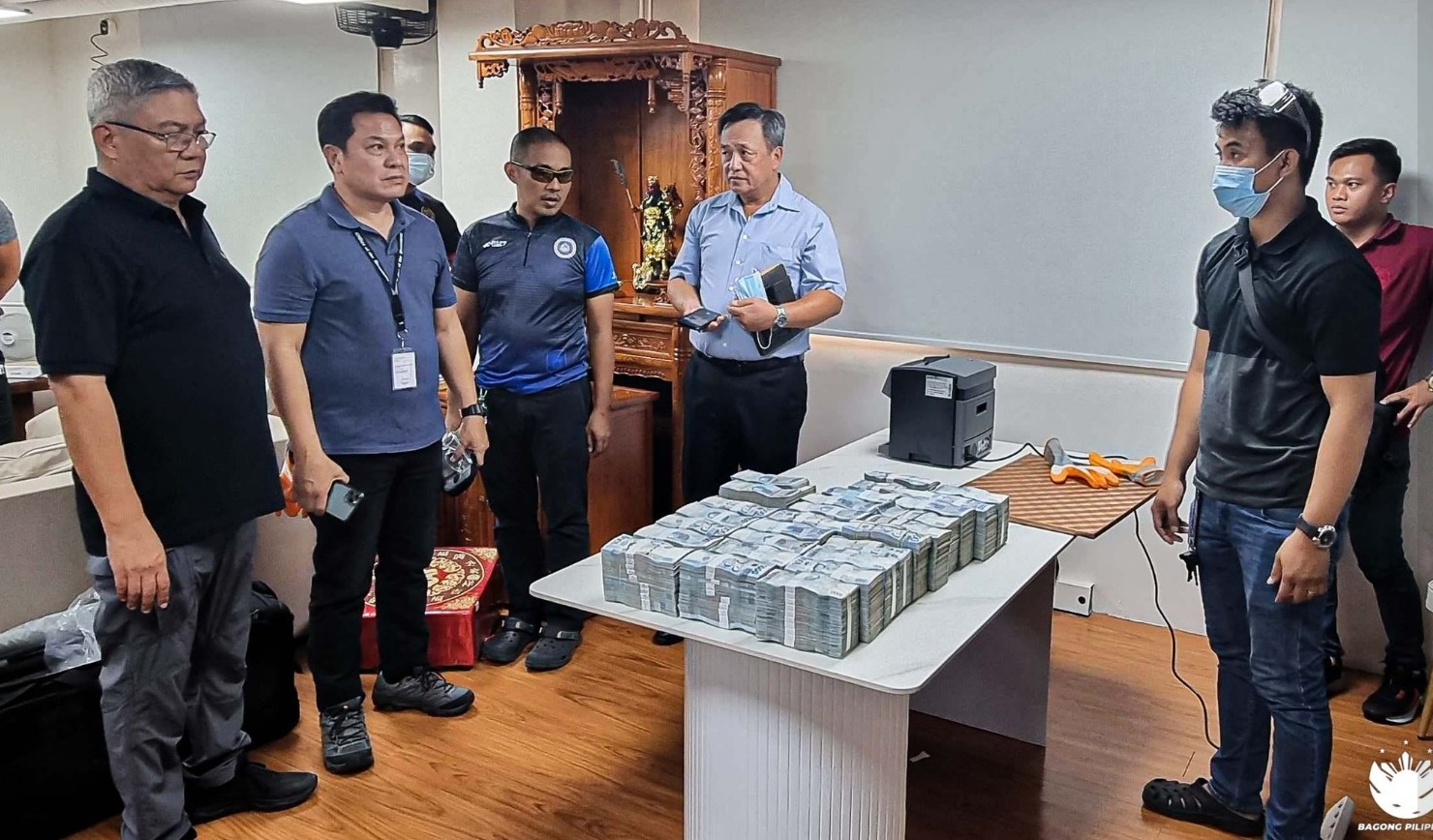
Authorities recovered millions of dollars. Photo: Presidential Anti-Organized Crime Commission
Although PAOCC said the accused denied ownership of the funds, courts ordered the forfeiture of assets linked to the operation, including vehicles and the scam compound itself.
Information Age understands the site includes eight buildings and a warehouse.
In addition to their prison sentences and fines, Ji, Yong and Infandi were ordered to jointly pay PHP$600,000 ($13,500) in ‘moral and exemplary damages to each of the two victims who testified during the case.
The case comes amid increasing scrutiny of scam compounds operating across Southeast Asia, where trafficked workers are often allegedly forced to carry out online fraud under threats and coercion.
Last year, a court in China sentenced multiple people to death over links to a Myanmar-based scam network that also allegedly relied on trafficked workers.