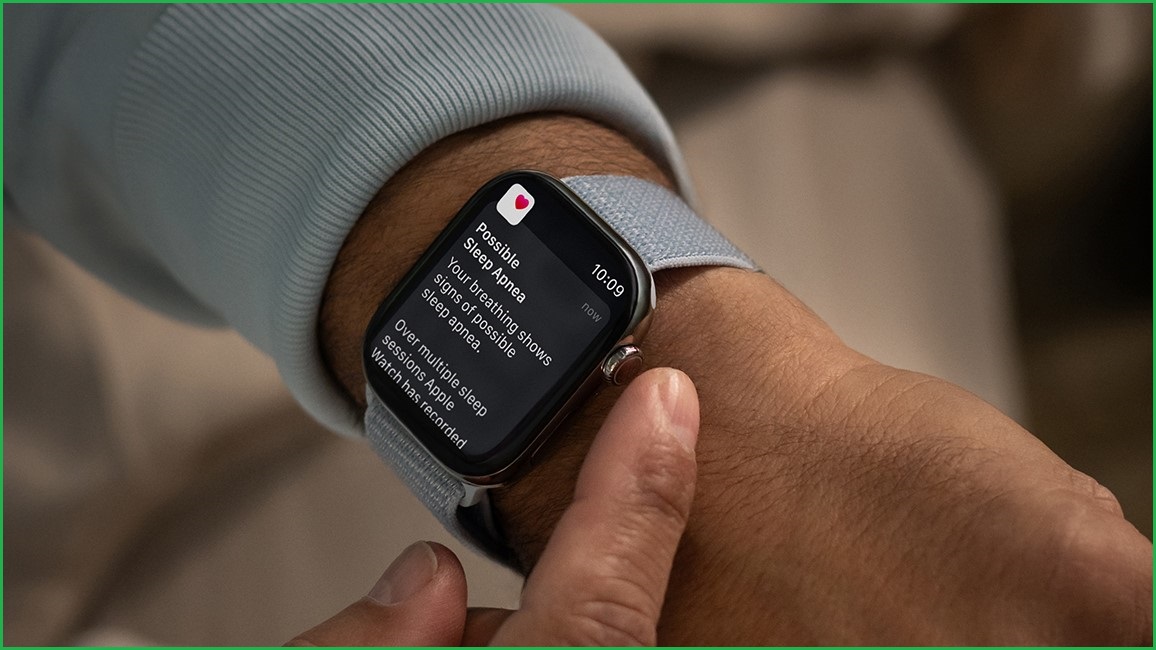

Australian users of the latest Apple Watch models can use the devices’ sleep apnoea detection feature from today, with Apple switching on the capability following recent approval from the country’s medical devices regulator.
The Therapeutic Goods Administration (TGA) approved Apple’s sleep apnoea software in late May, just over a week after granting the same approval to a similar forthcoming feature in Samsung’s Galaxy Watch range.
Sleep apnoea detection is now available on Apple Watch Series 9, Series 10, and Ultra 2, after the tech giant updated its servers on Wednesday to allow Australian users to monitor for signs of the medical condition, in which a person’s breathing is interrupted during sleep.
Some users may need to update their devices to the latest operating system to use the feature.
Samsung told Information Age its sleep apnoea detection feature would be available on its Galaxy Watch8 series when it launches in Australia on 1 August, with the feature also expected to be enabled on models stretching back to the Galaxy Watch4 series at a later date.
Compatible watches will need to run Wear OS 5.0 or later and be paired with a Samsung Galaxy smartphone running Android 12.0 or later to use the feature.
Apple and Samsung’s different approaches
Both Apple and Samsung launched sleep apnoea features for their wearables in 2024, using different technologies.
Apple’s version, designed for those aged 18 and above, uses the Apple Watch’s accelerometer to measure small wrist movements which are typically associated with respiratory issues.
The system was “developed using advanced machine learning and an extensive dataset of clinical-grade sleep apnoea tests", according to Apple, before it was validated in a clinical study.
The feature analyses breathing disturbance data every 30 days, while Samsung’s version — which monitors blood oxygen levels instead — claims it can detect signs of moderate to severe obstructive sleep apnoea in people aged 22 and older by tracking sleep twice over a 10-day period.
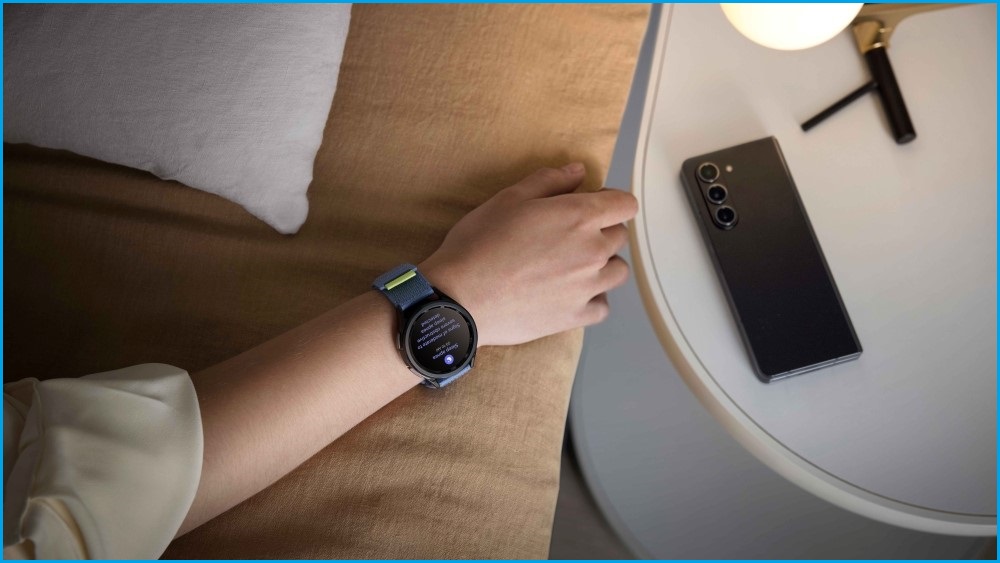
Samsung's sleep apnoea feature is expected to arrive as soon as August on Galaxy Watch4 series and later models. Image: Samsung
Both companies said their features were not meant to replace traditional detection methods, but their software could collate and share user data which may help medical experts in diagnosing sleep disorders.
Apple’s feature was already made available in more than 150 countries before launching in Australia, while Samsung’s had been granted regulatory approval in dozens of countries.
Australian Apple Watch users previously waited more than two-and-a-half years for some of the device’s heart health features to be approved by the TGA and enabled for local use.
Apple Watch's electrocardiogram (ECG) and irregular heart rhythm notification features were launched in the US in December 2018, but were only made available to Australian users in May 2021.
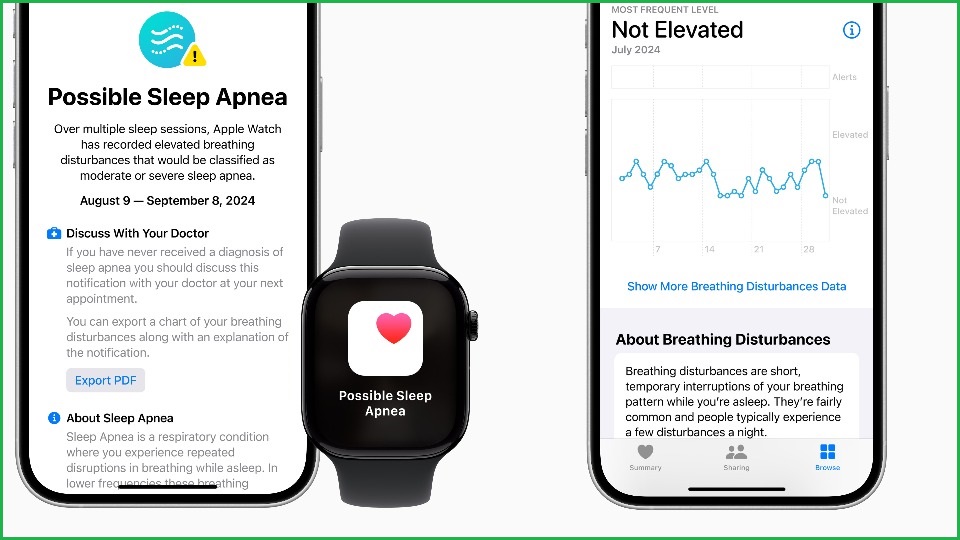
Apple's sleep apnoea feature uses the Apple Watch accelerometer to detect wrist movements typically associated with breathing issues. Images: Apple
Early detection a ‘significant step’
Sleep apnoea is more common in older men, but experts have previously described it as being underreported.
Severe cases of sleep apnoea can both impair a person’s sleep quality, but also increase their risk of abnormal heart rhythms, stroke, and heart attack.
Sleep experts have previously welcomed the release of wearable technologies which may prompt users to get more detailed checks from health professionals if warning signs are detected.
Dr Moira Junge, CEO of the Sleep Health Foundation, said potential early detection of the disorder was “a welcome and significant step towards healthier sleep, and improved lives”.
“Obstructive sleep apnoea is a common and serious sleep disorder, potentially impacting a million Australians,” she said.
“… Good sleep is a pillar of health and well-being.”


,%20john%20ternus%20(right)%20hello%20apple%20instagram.jpg.transform/320x180/img.jpg)