
An Australian space company has made history by attempting the first domestic launch of an Australian-made rocket into orbit, despite it crashing just moments after leaving the launchpad.
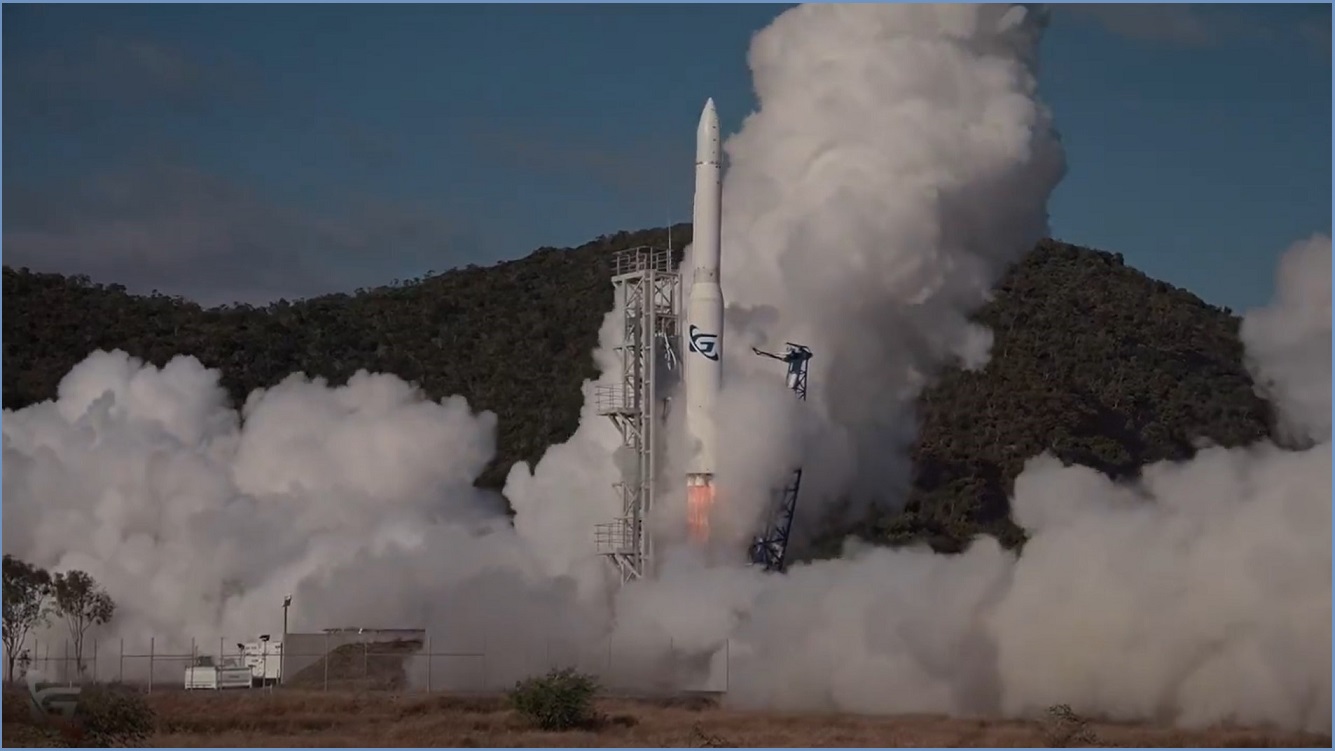
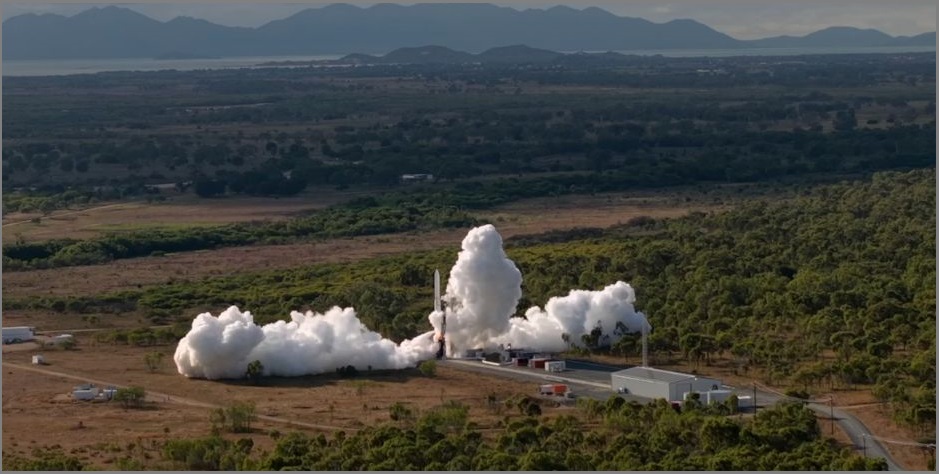
Gilmour Space Technologies’ orbital rocket Eris – named after the second-largest dwarf planet in the Solar System – was launched from a spaceport in Queensland coastal town Bowen at 8.35am Wednesday.
Despite a successful engine ignition, Eris was airborne for less than a minute.
The rocket achieved around ten seconds of ascent, then hovered in the air for a moment before plummeting back to the Earth.
“Today, Eris became the first Australian-made orbital launch vehicle to lift off from Australian soil — achieving around 14 seconds of flight,” the company wrote on LinkedIn.
Spectator Josh Keegan, who livestreamed the launch on YouTube channel Aussienaut, said there “wasn’t sufficient thrust to actually keep it up”, and that Eris “slid straight off the pad”.
“It’s hovering, it’s hovering, it’s gone,” Keegan narrated.
“Unfortunately, it went sideways. I believe that’s the end of the Eris rocket.”
Gold Coast Mayor Tom Tate congratulated Gilmour Space on “having a crack”.
 Gold Coast mayor Tom Tate praised Gilmour Space for its innovation. Photo: Supplied
“They truly exemplify the Gold Coast 'have a go' spirit," Tate said.
“If you ever wanted an example of how diversified our economy is now, this is it.
“We look forward to following their progress in the years ahead.”
If it leaves the launchpad, it’s a success
Gilmour Space said the launch was a “strong result” for a maiden test flight, and a “major step forward for Australia’s sovereign space capability”.
Co-founder of Gilmour Space, Adam Gilmour, previously set the expectation that a lift-off would be a success in of itself, and despite the crash, Gilmour said he was satisfied with the attempted launch.
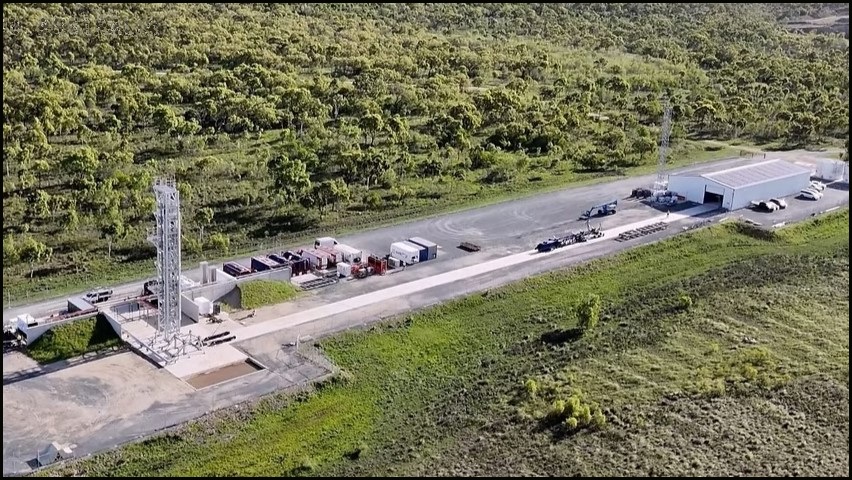
The rocket was launched from the spaceport in Bowen, Queensland. Photo: Supplied
“Got off the pad, I am happy,” Gilmour wrote on LinkedIn.
“Of course I would have liked more flight time but [I’m] happy with this.”
The company celebrated 23 seconds of engine burn time and 14 seconds of flight, as well as a successful autosequence and ignition of all 4 first-stage hybrid rocket engines, a liftoff which cleared the launch tower, and the “safe execution of launch and range operations”.
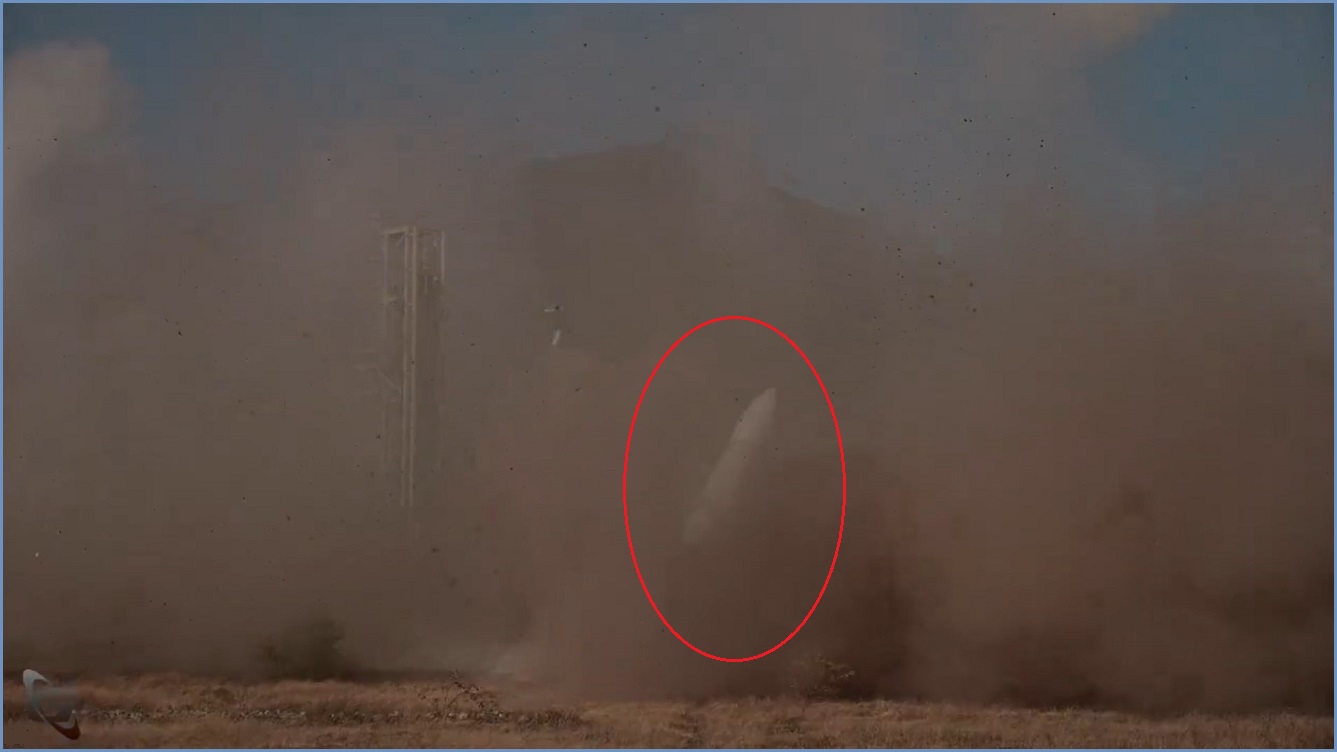
The rocket achieved 14 seconds of flight and then crashed. Photo: Supplied
Gilmour Space also said the results were strong given the flight suffered an “extended 18-month wait” on final approvals.
The flight was also postponed in May after engineers discovered an electrical fault which inadvertently caused the rocket’s nose cone to open, while last-minute wind conditions again delayed the launch from Tuesday afternoon to Wednesday morning.
Only three hours after Eris’ crash, Gilmour Space said the team was safe and “energised for Test Flight 2”.
The company said it has collected extensive flight data, and the launch site infrastructure appeared to have remained intact, while its second test flight is expected within six months.
Innovation minister forecasts more skilled jobs
Tim Ayres, Minister for Industry and Innovation, said Gilmour Space Technologies should be proud as the government commits to “building confidence so more Australians back bold, industrial missions like this”.
“Getting to the launch pad is a success, and just the beginning,” said Ayres.
“The confidence gained and lessons learned will advance Gilmour and the space ecosystem.
“They can now build off this and continue to innovate – driving new opportunities that will help our economy to grow and create more high-paying, skilled jobs.”
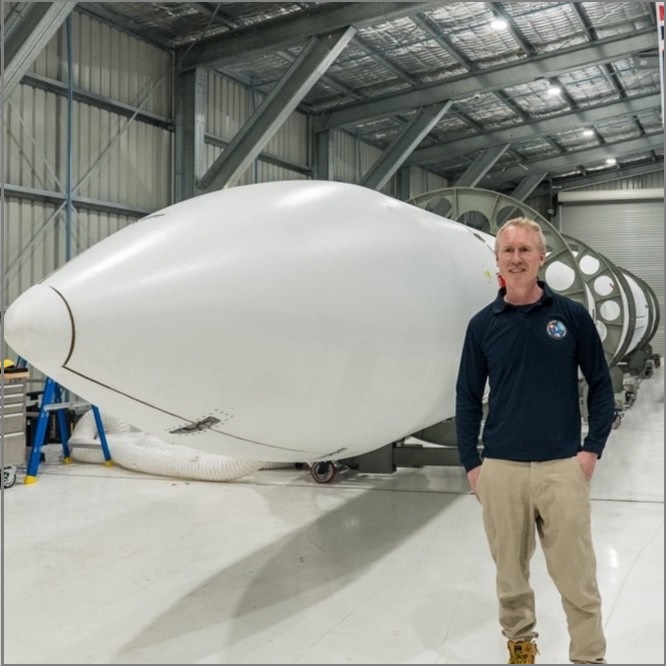
Gilmour Space CEO Adam Gilmour with one of his creations. Photo: Supplied
Gilmour Space’s Bowen spaceport has historically received funding from both federal and Queensland governments, and the Australian Government last week invested $5 million towards the Eris launch vehicle.
The investment was made under the government’s Industry Growth Program to speed up development of Eris’ next-gen liquid rocket engine, which – if achieved – could launch commercial and defence payloads, satellites, and other spacecrafts into orbit.
Not a setback
Zara Hamon, Manager of the RMIT Space Industry Hub, told Information Age the Eris launch meant “the Australian space industry is in a better position than it was yesterday.”
“A thousand things had to go right to make it happen,” said Hamon.
“We've moved our sovereign capability a marked step forward."
Gilmour Space added that only six nations launch to orbit regularly and “just a handful” are working to join them.
“Today brings Australia closer to that club,” Gilmour Space said.
While commenting on a rocket explosion at Elon Musk’s SpaceX in June, Gilmour told Information Age he doesn’t think humanity will be “confined to this planet forever”.
“Like a lot of people in the space industry, I believe humanity’s destiny is in space,” he said.