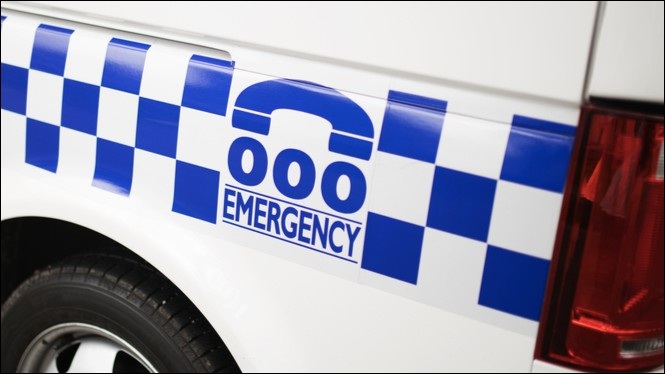

The government has moved to overhaul Australia’s emergency calling system before Parliament’s inquiry into the Optus Triple Zero outage has even reported, pledging $12 million for a new phone-testing facility and launching what it calls a “critical” review of Triple Zero laws and regulations.
The world-first facility will be funded over three years and include a testing and research centre at the University of Technology Sydney (UTS), Minister for Communications Anika Wells announced in a speech to the Commsday Regional and Policy Forum 2026.
Among its core goals will be to more proactively evaluate mobile phones’ ability to connect to Triple Zero services – an issue that has become pointed in recent months with revelations that over 70 old models of Samsung phones can’t call Triple Zero.
The problem stems from the phones’ inability to ‘camp-on’ to another mobile network to complete the call when the customer’s primary network is unavailable – and while 60 models of Samsung device can be fixed with software updates, 11 cannot.
In January, numerous older Apple iPhones encountered similar problems after a software update caused iPhone 8-era models to fail to connect with emergency services.
The shortcomings – which have required telcos to disconnect the services of customers that have one of a number of old devices – has been linked to not one but two deaths in recent months after customers were unable to call Triple Zero when needed.
“Australians must be able to rely on a telecommunications system… that is accessible, accountable and affordable,” Wells said, noting that 11 million Triple Zero calls were answered last year and 9 million were transferred to police, fire, and ambulance.
“These numbers demonstrate both the extraordinary scale of this essential service, and the trust Australians place in Triple Zero, when they need it most,” she said, adding that “Triple Zero call failures are unacceptable”.
“Any time an emergency call is initiated but not successfully carried represents a serious breakdown in a system that we all depend on to work when we need it.”
Looking beyond punishment
Despite some 85 per cent of Triple Zero calls being made from mobile phones today, the Triple Zero regulatory framework was designed well before the devices had become ubiquitous.
Next-generation Triple Zero (NG000), NG911 and NG112 emergency services are being rolled out worldwide – but slowly here, with the ANZ National Emergency Communications Working Group proposing a national framework over a decade ago.
Recent service failures have highlighted the cost of inaction, with Optus fined $12 million for a one-day outage in November 2023 during which 2,700 Triple Zero calls failed to connect – an incident that kicked off the government’s Triple Zero reckoning.
A similarly disruptive outage at Telstra – and a major Optus outage last November linked to the deaths of four people – saw an incensed Parliament pillory telco CEOs and fast-track changes including higher fines and creation of a statutory Triple Zero custodian.
Of 18 recommendations of the Bean Review into the 2023 Optus outage, Wells said 17 had been enacted to date – and announced the government will “imminently commence” a comprehensive review of Triple Zero legislation and regulations.
The review will encompass lessons from both Optus outages, the recent 3G switchover and non-compliant device issues and “is a key step in rebuilding public confidence in the system,” Wells said, adding its scope and structure will be announced in due course.
Reimagining a customer-centric emergency services system
The Parliamentary Triple Zero service outage inquiry is due to report back on 30 March, with 25 submissions to date offering many ideas about where to take the service next.
For all the government’s legal response, however, Wells said the opportunity to improve Triple Zero “is not just about punishment” but about driving change to build “a new model for the future… where consumers are not an afterthought, but a starting point.”
In “a truly connected emergency call service,” she explained, “access should closely mirror consumer use of technology and be flexible enough to adapt as consumer preferences change.”
Australian Greens communications spokesperson Sarah Hanson-Young, long agitating for a Triple Zero overhaul, welcomed the review of the “clearly broken, not fit for modern Australia” system and a regulator “that is more of a lapdog than a watchdog.”
Telecommunications body ACCAN also welcomed Wells’s announcements, with CEO Carol Bennett calling a people-first system “essential” and flagging the government’s redoubled focus on Triple Zero as “an opportunity to reset expectations.”
“Each outage has dramatic consequences,” she said, “and it is important to learn from these tragedies and strengthen the frameworks that are meant to keep people safe.”