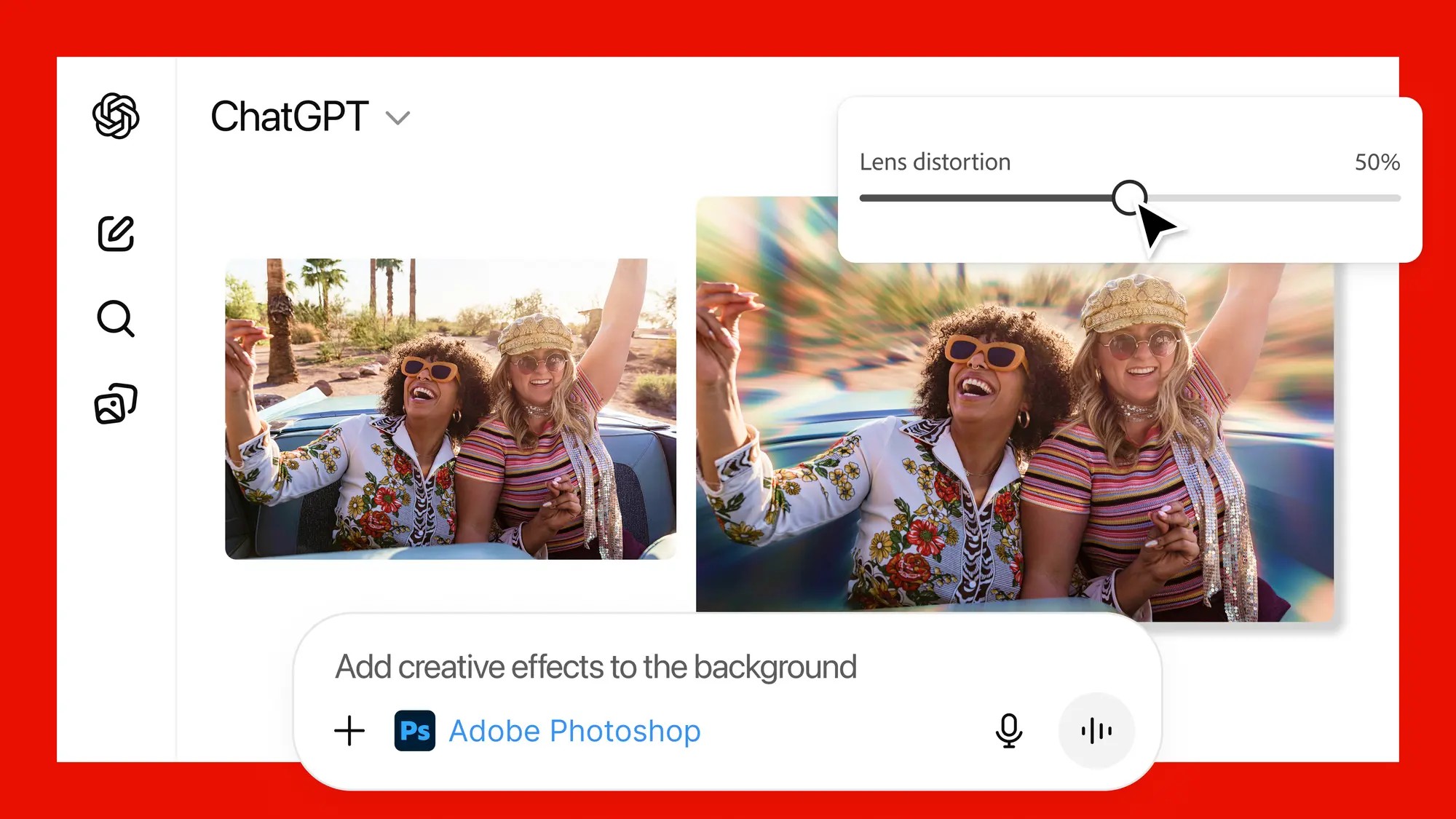

ChatGPT is becoming the Swiss Army knife of productivity tools, with Adobe the latest to partner with OpenAI in a deal that will give the generative AI (genAI) giant’s 800 million weekly users free access to Adobe’s gold standard Photoshop image editing tools.
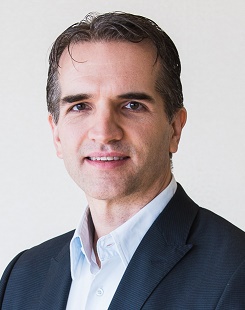
The new partnership will see features of Photoshop, Adobe Express, and Acrobat built directly into ChatGPT in a move that will “make creativity accessible for everyone,” Adobe president of digital media David Wadhwani said in announcing the deal.
Integrating ChatGPT and Photoshop, Adobe says in its how-to guide for the new platform, is “a match made in creativity heaven” that allows users to describe in words how they want to apply Photoshop’s dizzying array of features, filters, and effects to their genAI images.
ChatGPT users can now “edit with Photoshop simply by using their own words,” Wadhwani said, “right inside a platform that’s already part of their day-to-day.”
The Adobe tools’ ChatGPT versions aren’t as full-featured as the standalone applications – features like Adobe’s generative AI are absent, given that ChatGPT just updated its own image creation tools.
Staking a claim in the AI operating system
The deal continues a series of upgrades that Adobe started by adding genAI features to Photoshop in mid-2023 – spawning new products including genAI for Acrobat Studio and AI assistants for Photoshop, Adobe Express, and Adobe Firefly – which got an update this week.
Yet Adobe isn’t acting out of pure altruism: recognising the broad and growing capabilities of genAI platforms, it is moving to join the conga line of companies rushing to establish themselves on the most widely used genAI platform – before its competitors do.
OpenAI already offers connectors to link third-party data storage and collaboration tools like Google Drive, GitHub, SharePoint, and Dropbox, while Canva – along with Booking.com, Coursera, Figma, Expedia, Spotify, and Zillow – are leading OpenAI’s new ChatGPT apps.
Giving the AI platform access to personal and work content is creating a new ChatGPT-based computing paradigm that is being expanded with tools like Canva’s integrated design workflows and new agentic AI tools that Canva recently began teasing.
Providing the glue between the platforms is Model Context Protocol (MCP), an open-source standard that allows genAI platforms to hand off tasks to specialised third-party platforms, effectively turning chatbots – and not just ChatGPT – into next-generation operating systems.
When you wish upon a… bot?
As if GenAI platforms weren’t already an ever more aggressive battleground for major tech and media companies, Disney this week inked a $1.5 billion ($US1 billion) deal with OpenAI that will be a huge shot in the arm for OpenAI’s Sora video-generation tool.
Under the terms of the three-year deal, Sora users will be able to tap a library of over 200 Disney, Marvel, Pixar, and Star Wars characters to create and share licensed fan videos customised using genAI text prompts.
It’s a significant step for Disney, which joined rival studio Universal in June to sue genAI firm Midjourney for facilitating what they described as a “bottomless pit of plagiarism.”
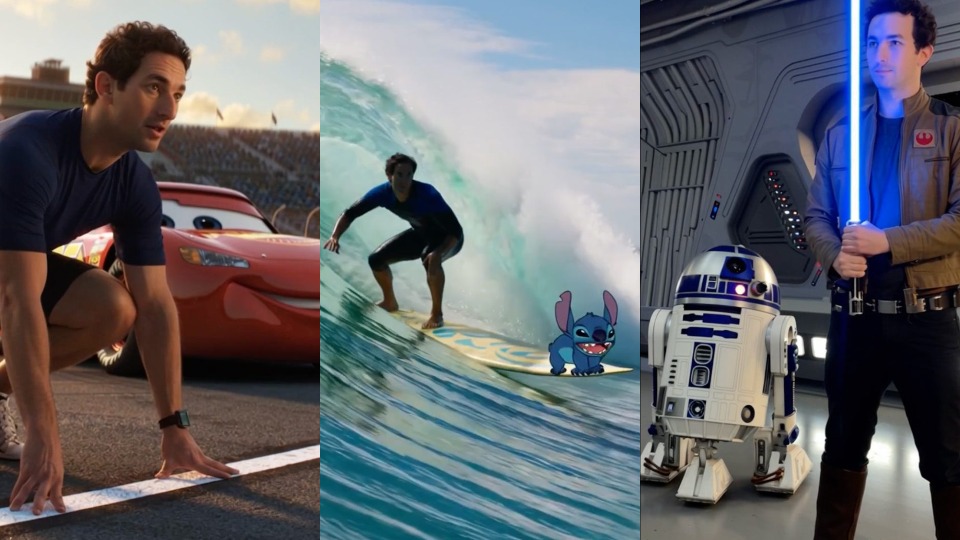
Disney's deal with OpenAI brings many of its well-known characters to the company's Sora video-generation tool. Images: Disney / Supplied
Even as it announced its OpenAI deal, Disney issued a cease and desist letter to Google alleging the OpenAI rival is using genAI to “[infringe] Disney’s copyrights on a massive scale, by copying a large corpus of Disney’s copyrighted works without authorisation.”
Google responded by purging YouTube of Disney-related fan videos – showcasing the complex dynamics of a content licensing land rush that will all but certainly see other genAI firms pursue similar deals as intellectual property owners secure their places in the AI world.
The Disney partnership has already attracted concern from unions representing creative workers – which note that the partnership specifically excludes the use of human actors’ voices or likenesses – but most recognise there is no turning back.
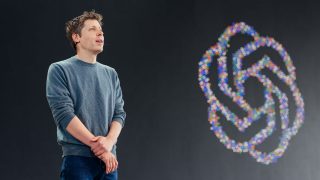
Taking the moral high ground, OpenAI CEO Sam Altman played the deal as a win for responsible AI, noting that “Disney is the global gold standard for storytelling.”
The deal, he said, “shows how AI companies and creative leaders can work together responsibly to promote innovation that benefits society, respects the importance of creativity, and helps works reach vast new audiences.”