





The Australian government says it is moving ahead with imposing a ‘digital duty of care’ on Big Tech companies such as Google, Meta, TikTok, and X, opening public consultation on Friday after delaying the proposed legislation earlier this year.
Communications Minister Anika Wells reiterated on Saturday the government’s plan for legislative changes, which she said would “force the online industry to take stronger action to keep users safe”.
A digital duty of care implemented under the Online Safety Act would legally force major online platforms, including social media apps, to actively shield users from harm — “rather than the reactive system that exists now” which relied more on user reporting, Wells said.
The Australian government introduced its duty of care legislation in November 2024 following a review of Australia’s online safety laws and advocacy from independent MP Zoe Daniel, but later delayed introducing changes until after the federal election in May 2025.
Australians can now take part in the government’s duty of care survey by registering and sharing their thoughts before the consultation closes at 11.59pm AEDT on Sunday, 7 December.
“Your survey response will help inform the development of a digital duty of care and ensure there is an effective and up-to-date legislative framework to protect Australians from serious online harms,” the government said.
Wells said she encouraged Australians to have their say on how a digital duty of care would work.
She argued the country had already initiated “world-leading” reforms to online safety, including banning under-16s from holding social media accounts, restricting access to nudification apps, and introducing age checks for search engines and adult websites.
Big Tech wants to see ‘the details’
Sunita Bose, the managing director of Digital Industry Group Inc (DIGI) — which counts the likes of Google, Meta, and TikTok among its members — said the lobby group welcomed progress to the government’s review of the Online Safety Act.
“A well-crafted digital duty of care is in principle an effective way to future proof Australia's online safety laws, and DIGI looks forward to proactively contributing our expertise to the consultation and seeing the details,” Bose said.
She suggested DIGI members already “deliver safety-by-design on their services and work constructively with the government”.
Many major digital platforms have faced criticism for exposing both adult and child users to a variety of potential harms, including online scams, misinformation and disinformation, addictive and problematic content algorithms, and privacy violations.
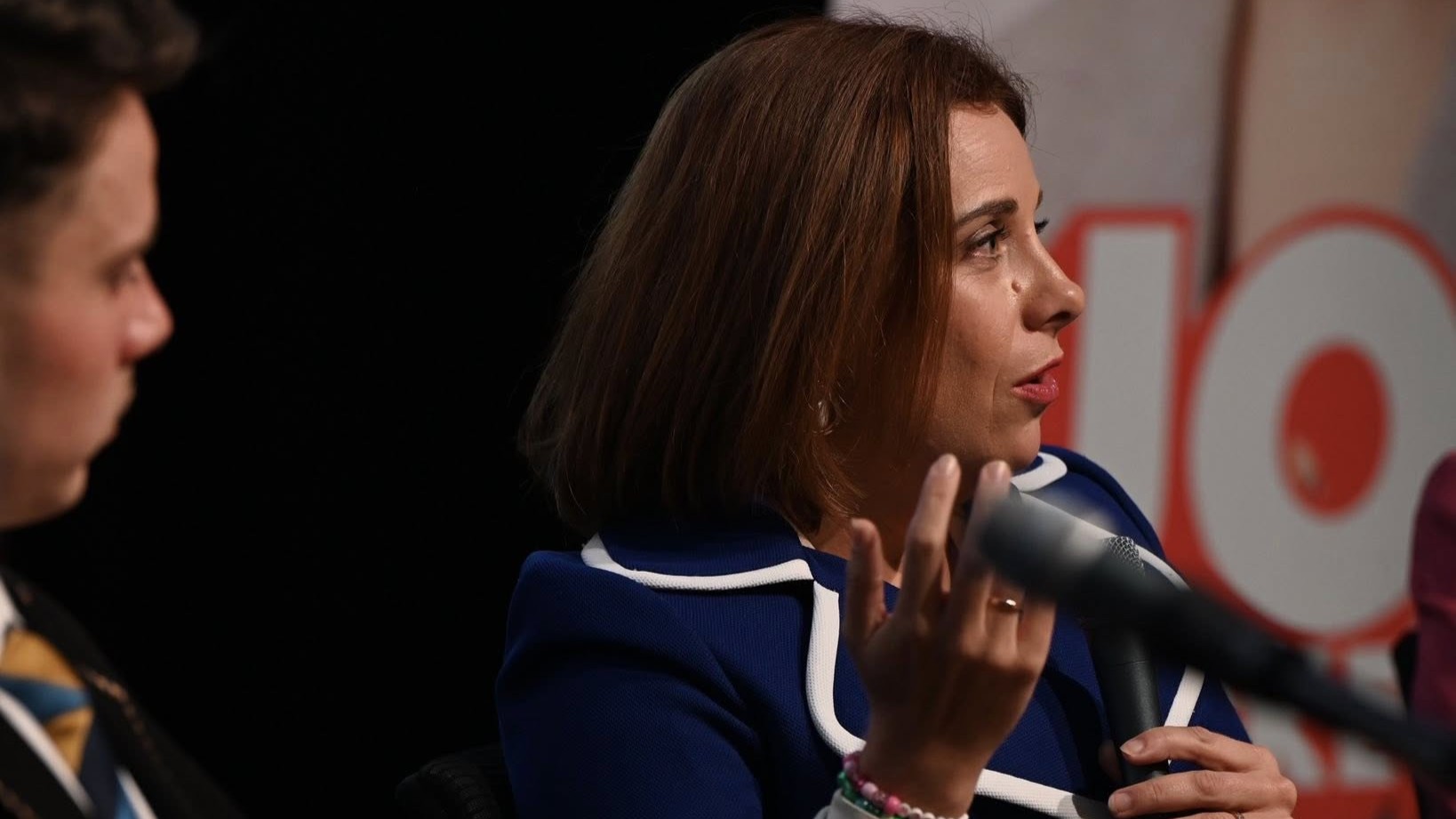
Communications Minister Anika Wells says she wants major platforms to actively 'keep users safe' online. Image: Anika Wells / Facebook
Several organisations which made submissions to a 2024 Senate committee into Australia’s online safety laws argued “a digital duty of care would be a more productive approach” than the Australian government’s banning of under-16s from holding social media accounts, which is set to come into force on 10 December.
Wells said a digital duty of care would be “the next space” the government would focus on after its social media age ban began.
John Pane, board chair of digital rights group Electronic Frontiers Australia, wrote on Saturday that a digital duty of care would be “a good thing for digital rights”.
“Unlike our incredibly flawed social media minimum age rules, an online duty of care will help break the big platforms business model by requiring them to make major changes to features that drive profit through user engagement,” he said.
“… This will force platforms to move away from maximising user time and attention and instead force them to invest in safety measures aimed at decreased engagement and ad revenue, and also impose costs for risk assessments, safety measures, and potential fines.”
Government quiet on potential fines
Australia’s independent statutory review of the Online Safety Act, completed by former ACCC deputy chair Delia Rickard, recommended platforms which breached a digital duty of care be fined 5 per cent of global annual turnover or $50 million — whichever was higher.
The review suggested such fines would be a last resort, and a smaller $10 million civil penalty could be imposed for more minor breaches of duty of care rules.
The government has not publicly confirmed whether it would impose fines of that size, which could potentially be worth billions of dollars depending on the size of the company involved.
Legislated duty of care models have already been implemented in the European Union and United Kingdom, where digital platforms can face large fines for not abiding by the law.
Companies can face penalties of up to 6 per cent of their worldwide annual turnover in the EU, and can be fined the greater of 10 per cent of their turnover or £18 million ($36.5 million) in the UK.