




Social media platforms will not need to test the age of all Australians or prove the accuracy of technologies used to comply with the nation's ban on under-16s holding accounts this December, according to guidelines announced by the federal government on Tuesday.
While platforms would be expected to have “a sufficient level of confidence" about the age of an end-user, there would be no legally enforceable standard for accuracy or any need to reverify every user’s age, under regulatory guidance released by eSafety Commissioner Julie Inman Grant.
Under the world-first laws, social media platforms such as Facebook, YouTube, TikTok, and Snapchat will be expected to take “reasonable steps” to prevent underage users from holding accounts from 10 December, or face court-imposed fines of up to $49.5 million.
Inman Grant’s office will be responsible for enforcing the regulations, which passed parliament in November 2024 but have raised concerns from some data and privacy experts.
Officials from eSafety said their latest and supposedly final guidance was informed by consultations with the technology industry, community groups, and the final report of the government-commissioned Age Assurance Technology Trial, released last month.
The trial found that while age assurance could be done effectively in Australia while preserving privacy, no single solution worked perfectly — and some collected too much user data.
As expected, the government has not told social media firms which specific technologies to use for age checks, but has encouraged them to build on existing techniques many have used for years to prevent users aged under 13 from signing up to their services.
Social media firms accused of 'scare tactics'
Australian adults “should not see huge changes” or be asked to reverify their age when the new laws begin, as many platforms had already figured out their age, Inman Grant told a press conference on Tuesday.
Without naming any specific platforms, she accused social media firms of using “scare tactics” to suggest all Australians would need to have their age checked — but similar suggestions have also previously been expressed by government officials.
Social media accounts which belonged to under-16s should begin to disappear from 10 December, said Inman Grant, who added not every offending account was “magically going to disappear” straight away.
Companies “should first focus on deactivating or removing accounts of under-16s", but should also allow users to have recourse “when accounts are mistakenly removed”, she said.
The regulator recognised that "preventing future under-16s from joining platforms will take longer and be more complex in terms of building systems”, Inman Grant said, and this would be taken into consideration by her office.
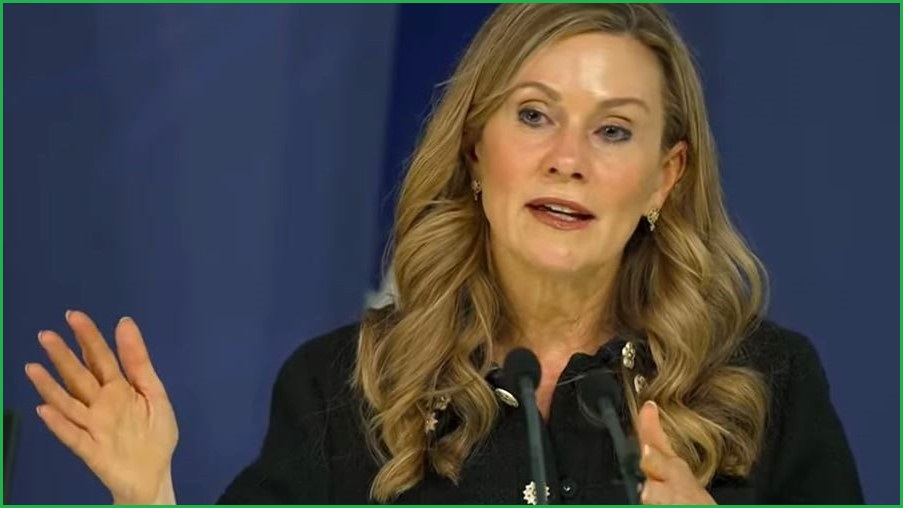
eSafety Commissioner Julie Inman Grant says Australia's new social media laws are encouraging tech firms to innovate. Image: ABC News / YouTube
Inman Grant admitted “it may be a surprise to some" that eSafety’s guidance did not set a required accuracy rating or mandate a single age assurance approach.
She argued the regulator had instead sought to encourage platforms to have a “multi-layered, waterfall approach, with the proviso that the provision of government ID can never be the sole or final choice — there must always be alternatives”.
Australia's Age Assurance Technology Trial tested three main techniques: age verification, which typically relies on government documents or ID; age estimation systems, which use biometrics; and age inference systems, which use online activity or account data to infer age.
While the trial found checking government-issued ID was among the most effective screening methods, platforms cannot rely solely on such documents under the Australian laws.
Inman Grant said eSafety’s guidance recognised there was “no one-size-fits-all solution for industry, given the diversity of platforms and technology", but sought to make sure social media firms preserved Australians’ privacy.
She said she expected Australia's privacy commissioner to release further privacy guidance on the under-16s ban “in the coming weeks”.
‘No excuse for non-compliance'
Communications Minister Anika Wells said there was “no excuse for non-compliance" from social media platforms, given eSafety's new regulatory guidance.
“Platforms must take reasonable steps to detect and deactivate underage accounts, to prevent reregistration or circumvention, and to provide an accessible complaints process for their users,” she said.
“Platforms must implement the laws in a way that is effective, private, and fair.
“… We know the platforms have the capability to do this — these are some of the biggest and best resourced companies in the world.”
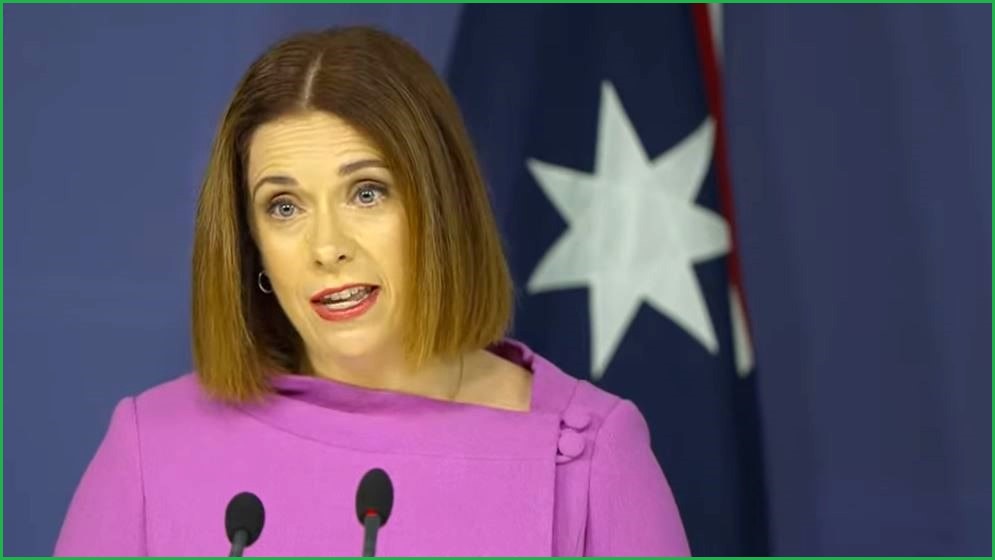
Communications Minister Anika Wells says social media platforms have 'no excuse for non-compliance' come December. Image: ABC News / YouTube
While platforms could undertake self-assessments to see if they would need to comply with the new laws, eSafety and the government would still review their claims, Inman Grant said — as most had so far argued they would not be classified as an age-restricted service.
She said companies which did not comply with the laws or “decided to do nothing” would be met “with force” from eSafety and the federal government.
Sunita Bose, the managing director of Digital Industry Group Inc. (DIGI) — which advocates for members including Meta, TikTok, Snap, Twitch, Apple, and Google, and has been critical of parts of the age ban and technology trial — told Information Age the group was “carefully reviewing the eSafety Commissioner’s reasonable steps guidance”.
Inman Grant said eSafety officials would meet with platforms and AI companies in the United States next week, including Apple, Discord, Snap, Character.AI, OpenAI, Anthropic, and potentially Meta and Google.
She said she had also been in touch with European Union officials who were interested in emulating Australia's age assurance measures.
Circumvention ‘likely to take place’, commissioner says
Under-16s attempting to circumvent the ban by lying about their age or using technologies such as virtual private networks (VPNs) to change their virtual location was “likely to take place”, Inman Grant said.
Her office had told platforms how it expected them to mitigate such risks, including reverifying users “when necessary” if they had used VPNs, she said.
VPN usage spiked and video games were used to trick age assurance measures in the United Kingdom in July after that country imposed new requirements on sites hosting content such as pornography, terrorism, and violence.
Australians can also expect to have their age checked when using search engines in a logged-in state from December, and when accessing pornographic websites from March 2026, raising the prospect that VPN usage could also spike domestically.