



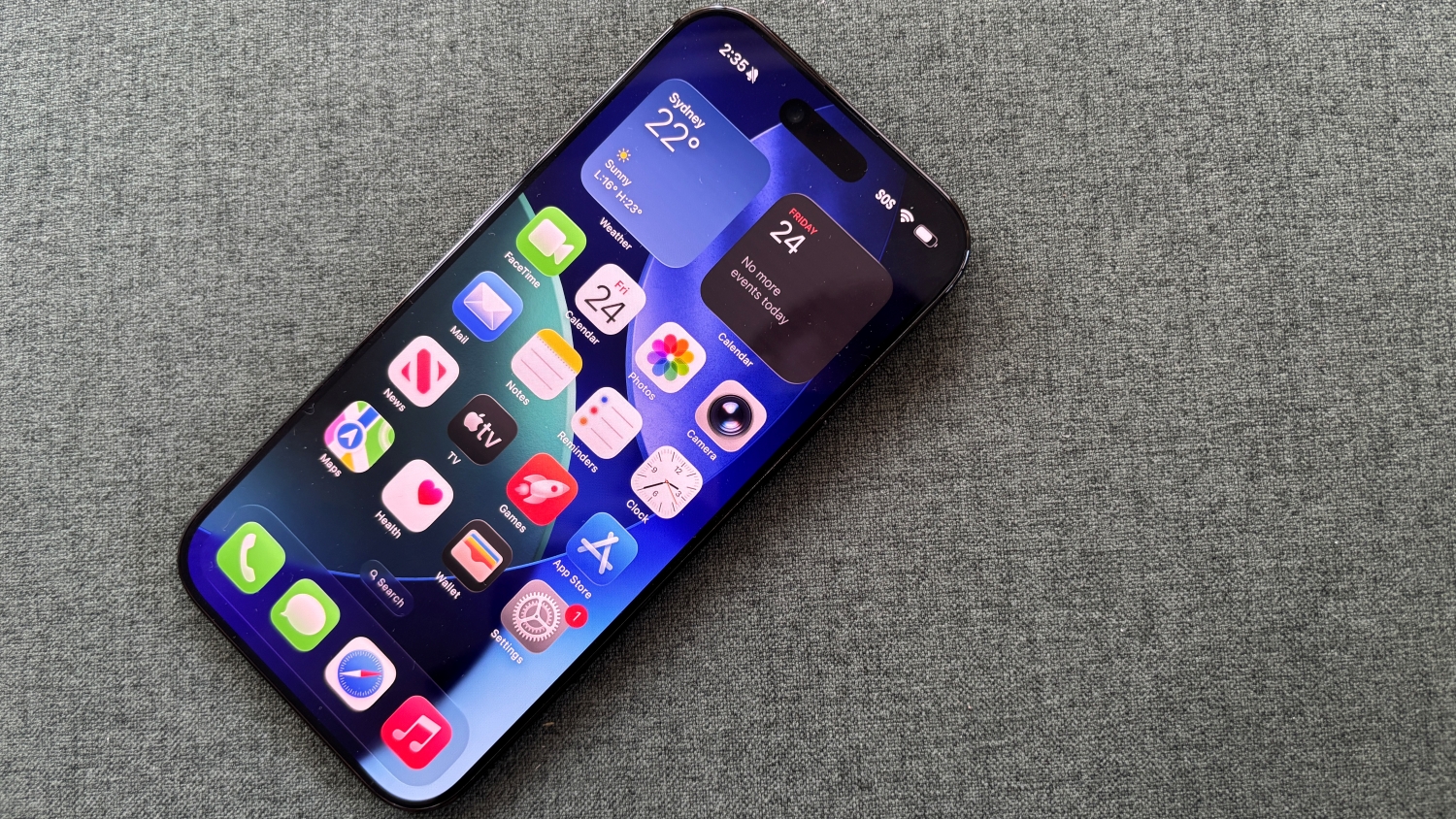

Apple’s new iPhone Air is in a tough spot — it’s a premium smartphone with impressive processing power, but the various trade-offs made by its super-slim design mean it's not the best iPhone for most people.
When Apple debuted the Air in September, the company raised the starting price of its iPhone 17 Pro and Pro Max models to make space in its lineup for the skinny new model.
That lineup has been pretty stagnant over the past few years, as incremental upgrades have seen many users hold on to their devices for longer.
The iPhone mini models have come and gone (RIP), and now so have the larger Plus variants — replaced by the skinnier (but still large) iPhone Air.
The Air starts at $1,799 in Australia, making it $400 more expensive than the base iPhone 17, which starts at $1,399.
The iPhone Air is still cheaper than the $1,999 base iPhone 17 Pro, but only by $200.
For the extra cash needed to splash for an iPhone Air over an iPhone 17, you do gain:
- A thinner and lighter body (an impressive 5.6mm, but a little top-heavy thanks to the camera and processor bulge which Apple calls a “plateau”);
- A slightly faster A19 Pro chip (compared to the base A19 chip);
- A slightly larger 6.5-inch screen (compared to 6.3in);
- and a slightly more scratch-resistant rear side.
You also get the chance to use Apple’s ~hot new thing~, but for that extra $400 you also lose:
- Battery life (around five hours less streaming video playback, according to Apple);
- An ultra-wide camera (which also means no ability to take macro or spatial photos, or record video in cinematic, macro or spatial modes);
- Stereo speakers (the Air only has one speaker at its top);
- Wireless charging speed (the Air tops out at 20W, compared to 25W);
- and the choice to use a physical SIM card (the Air is Apple’s first eSIM-only phone in Australia).
For most people, there are too many trade-offs to justify the extra cost of an iPhone Air over an iPhone 17, and we have already seen reports of lower-than-expected sales and cuts to production for the new model.
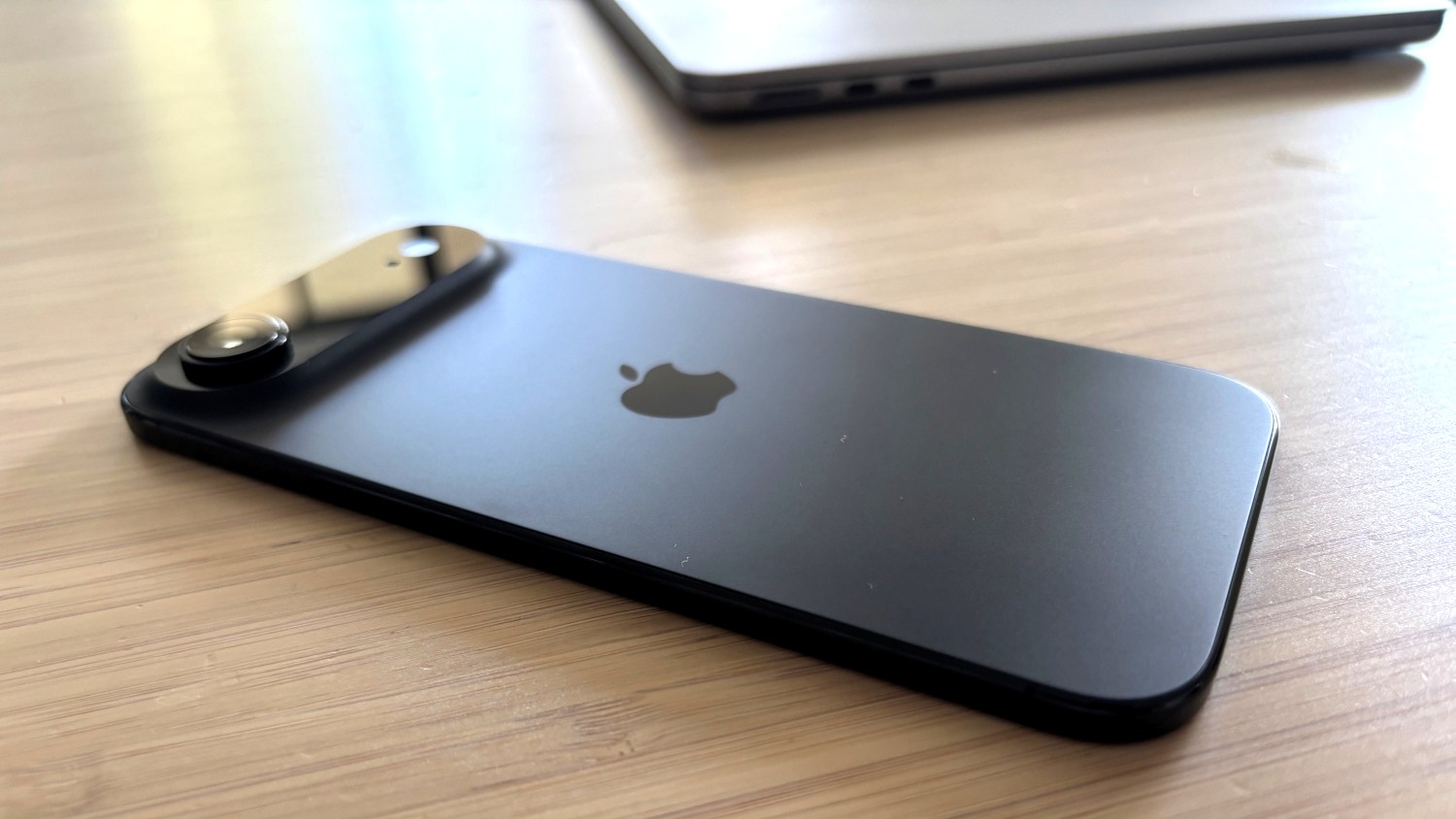
Image: Tom Williams / Information Age
Living with the iPhone Air
After testing the iPhone Air for a few weeks, I’m not convinced Apple has a hit new device on its hands.
It takes great photos like any recent iPhone would, but losing the ultra-wide camera is annoying for someone like me who enjoys taking shots of buildings, trees, or wide environmental scenes.
While the Air's 6.5-inch display is large, buttery smooth, and among the best on the market, so is that of the base iPhone 17 — which gets a 120Hz refresh rate for the first time this year.
For all the Air’s thinness, its plateau and its large display (which is clearly necessary to allow room for a very tall battery) still leaves the device a little too big for some pockets, although your mileage will vary.
The battery life is decent, as Apple continues to make strides in its chip efficiency, but medium-to-heavy phone users will be left with only a bit of juice left by the end of some busy days.
What’s also telling is that Apple sells a $159 MagSafe battery pack specifically for the iPhone Air, which the company says can add up to 65 per cent additional charge.
Case-wise, there are the regular full-body ones you’d expect from Apple, as well as a bumper case reminiscent of the one the company once gave out for free during iPhone 4’s antenna gate (remember that?) — but both options prevent the Air from feeling impressively thin.
If you’re someone who typically uses a phone case, the Air will feel really thin at first.
If you’re not, it’s only likely to feel a tiny bit skinnier than what you’re used to.
That said, as someone who prefers to use their phone without a case most of the time, the iPhone Air still feels surprisingly sturdy and tough, despite its thinner design.
It has a titanium frame (available in black, white, gold, or blue), which feels both stronger and less slippery than the aluminium on the iPhone 17 and iPhone 17 Pro.
While there have been reports of iPhone 17 and iPhone 17 Pro users quickly noticing scratches on their aluminium frames, the Air’s titanium appears more resistant to abrasions but more likely to show fingerprints on its admittedly very skinny sides.
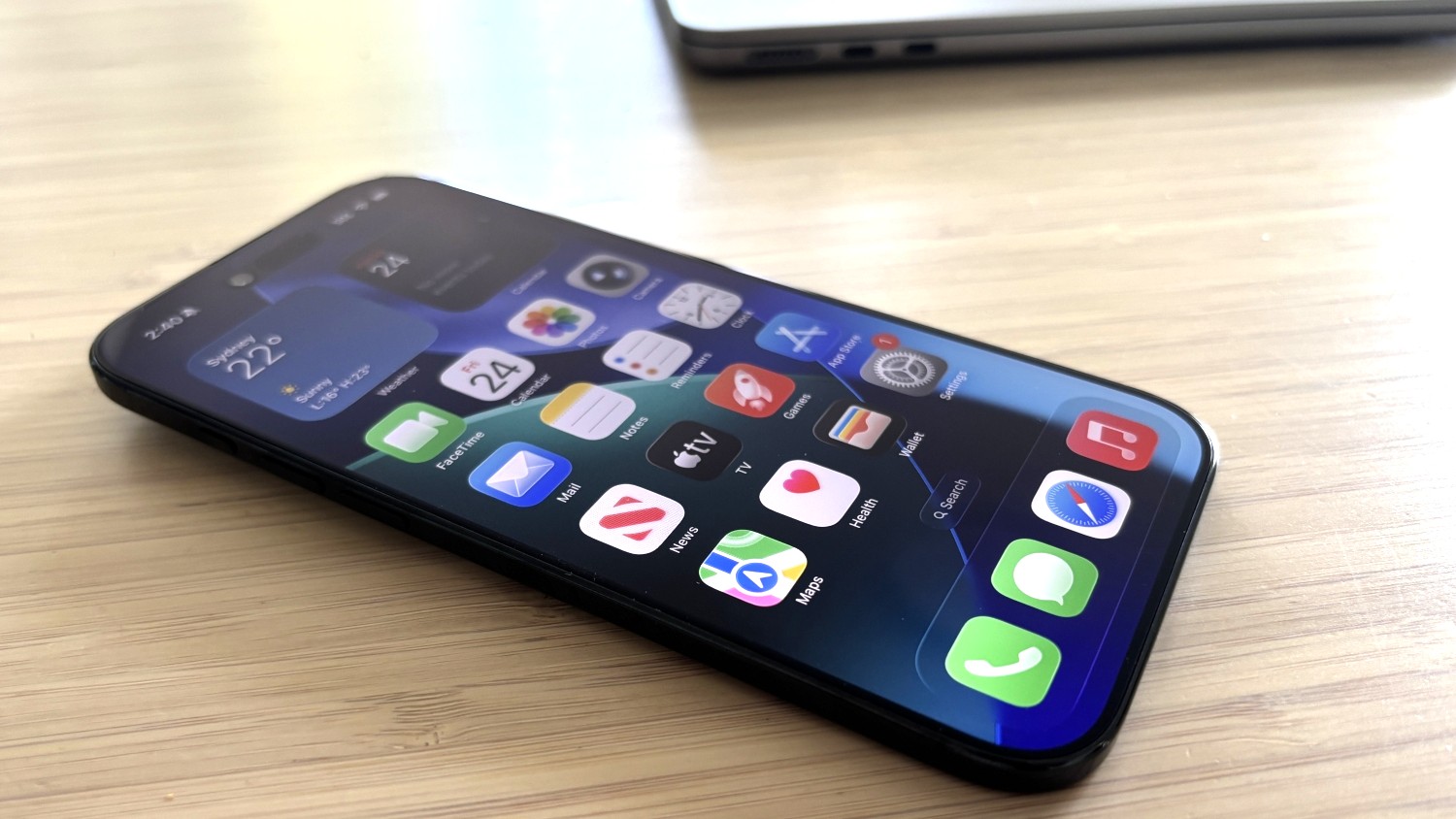
Image: Tom Williams / Information Age
Glimpsing Apple's foldable future
The iPhone Air's thinness tells another story — one which Apple has a lot riding on for the next evolution of its best-selling product
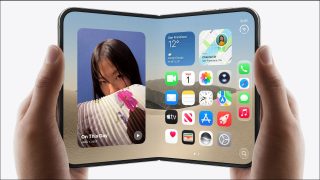
It could "potentially pave the way for future form factors that demand a slim design, such as a foldable iPhone", technology analyst Alvin Lee from Australian firm Telsyte told Information Age in September.
Such a device has been rumoured for release in 2026 or 2027, and would bring Apple into a market which already features foldables from the likes of Samsung, Google, and Motorola.
Much like Samsung’s ultra-thin S25 Edge — which starts from $1,849 and has also seen reports of low sales — the Air shows that Apple has the chops to pull off foldables without making a folded-up phone feel too chunky.
Imagining two iPhone Airs stuck together by a hinge, it’s not hard to envision what Apple’s first foldable smartphone could feel like.
Until then, the iPhone Air is both a bold change to the company's lineup and an expensive taste of what’s to come.
Apple loaned Information Age an iPhone Air for testing.



,%20john%20ternus%20(right)%20hello%20apple%20instagram.jpg.transform/320x180/img.jpg)