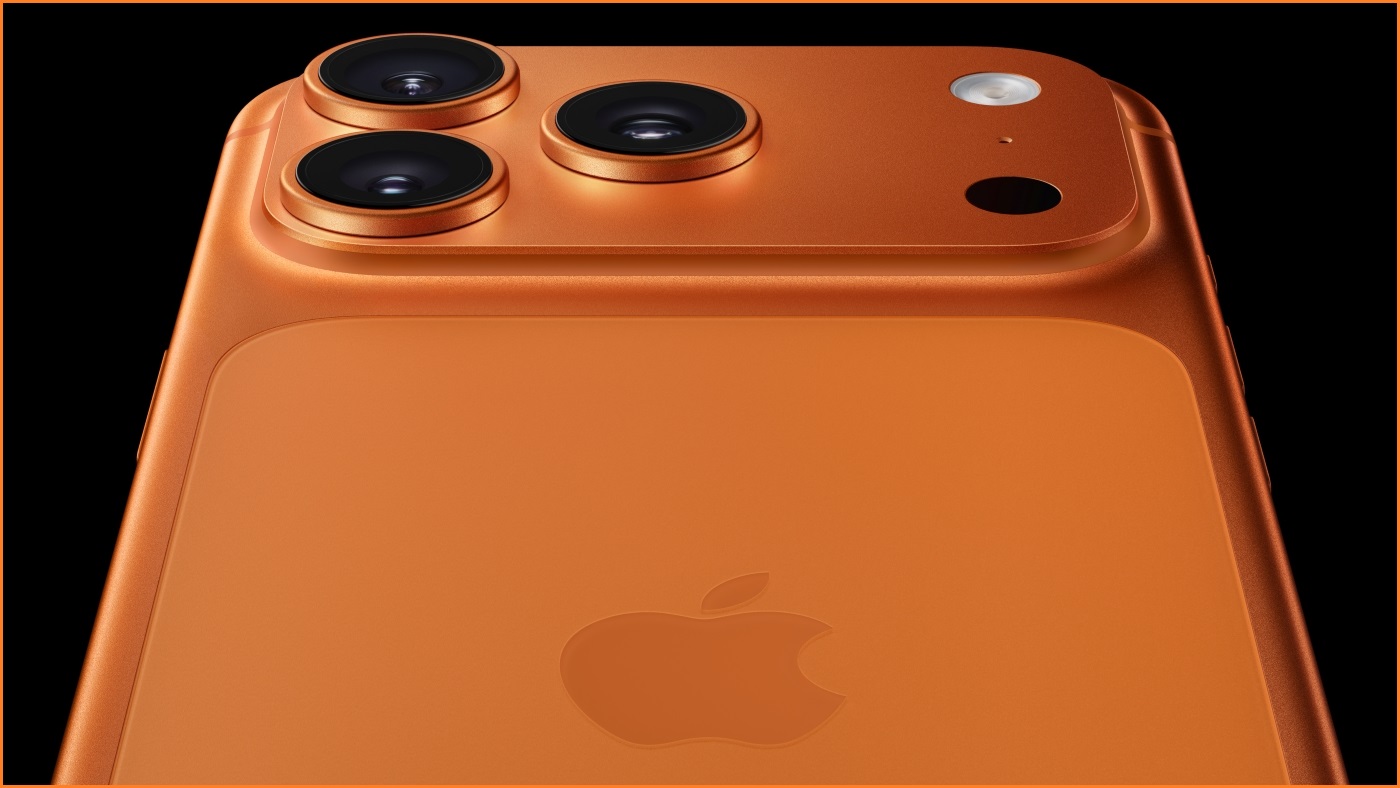

Apple announced its new iPhone lineup on Wednesday, raising the starting prices of its premium Pro and Pro Max models in Australia while also revealing its long-rumoured thinner smartphone dubbed the iPhone Air.
The iPhone 17 Pro will start at $1,999 in Australia — up $200 (or 11 per cent) from last year’s iPhone 16 Pro, which started at $1,799.
The price rise marked a larger cost increase that the new Pro model saw in the United States, where its base price rose by around $150 ($US100).
What’s more, while the larger iPhone 17 Pro Max will not see a price increase in the US, it will in Australia — rising $50 to a new starting price of $2,199.
Alvin Lee from Australian technology analyst firm Telsyte told Information Age the pricing changes likely reflected "localised strategies, often influenced by economic conditions, currency exchange movements, and broader regional cost factors".
The relative stability of prices in the US came despite recent hits to Apple's profits, caused by US President Donald Trump’s tariffs on many products made in other countries.
Industry analyst Leo Gebbie from CCS Insight wrote Apple's latest stable US prices were “surprising and welcome news” for buyers in that country, given price increases had been expected “following a year of tariff-related disruption and inflation”.
While Trump has urged Apple to build its devices in the US, the company has continued to manufacture in China and has shifted some of its production lines to India.
Both of the iPhone's new Pro variants would now have a base storage of 256GB instead of the previous 128GB, Apple said, while iPhone 17 Pro Max will come with a 2TB storage option for the first time.
All of the new Pro models would receive upgraded A19 Pro chips, improved cameras, new colours, and a vapour chamber cooling system, the company added.
iPhone Air replaces languishing Plus models
After months of rumours, design leaks, and being beaten to the punch by Samsung’s S25 Edge, Apple also unveiled its new iPhone Air model to replace its underselling Plus models — which were larger versions of the base iPhone.
The iPhone Air is only 5.6mm thick, Apple said, with a 6.5-inch 120Hz display larger than that of the iPhone Pro model but slightly smaller than the iPhone Pro Max.
The new model will feature an A19 Pro chip with one fewer GPU core than the Pro models, but new Apple-designed wireless and cellular chips would make it “the most power-efficient iPhone ever made”, the company said.
The iPhone Air will include a wireless networking chip called the N1 — which is also coming to the iPhone 17 and 17 Pro models — but will be the first to receive an updated C1X version of Apple’s C1 cellular chip, which debuted on the iPhone 16e earlier this year.
Starting at $1,799 in Australia, iPhone Air would be capable of 27 hours of video playback, Apple said — less than the 30 hours it claimed for iPhone 17, and 37 hours for iPhone 17 Pro.
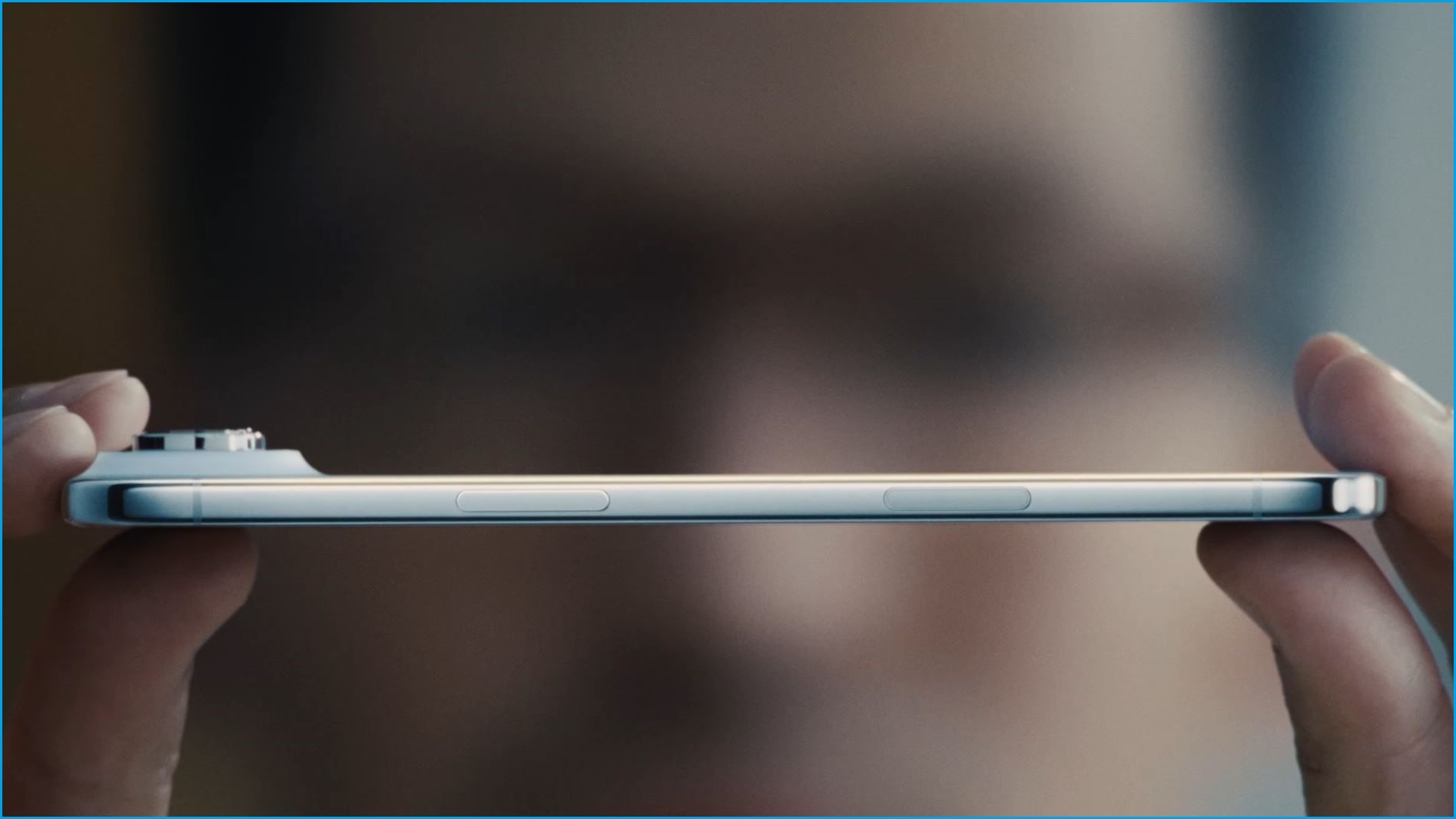
Apple says the iPhone Air is 5.6mm thick, only 0.2mm thinner than the Samsung S25 Edge. Image: Apple / YouTube
Lee from Telsyte said analysts expected to see only "modest interest" in the iPhone Air in Australia, as locals were "likely to prioritise the superior battery performance and camera features offered by the other iPhone 17 models".
"Battery life is the most important factor among Australians — and iPhone users — when choosing a smartphone," he said.
"The Air highlights how Apple’s design innovation can reshape its line-up," said Lee, who suggested the new device could "potentially pave the way for future form factors that demand a slim design, such as a foldable iPhone" — which has been rumoured for 2026.
CCS Insight analyst Ben Wood argued the iPhone Air felt “differentiated enough that people will consider visiting a store to see it in person”.
“This does not necessarily mean they will purchase this specific model in the line-up, but it presents an opportunity for operators and retailers to tempt users into an upgrade purchase, often with the lure of an attractive trade-in offer, given the substantial residual value of older iPhones,” he wrote.
“This is very valuable at a time when people are holding onto their smartphones for longer than ever.”
Further down the price scale, the iPhone 17 will start in Australia at the same $1,399 price as last year’s iPhone 16, Apple said, after the company dropped the price of its base model last year.
The standard iPhone model would also receive a 120Hz display for the first time this year, Apple said.
All of the new iPhone variants will be available in Australia from 19 September.
New Apple Watches missing hypertension feature Down Under
Apple also announced updated models of Apple Watch on Wednesday, with new SE 3, Series 11 and Ultra 3 devices.
While the new Series 11, Ultra 3, and some older models will support a new health feature which uses optical heart sensor data to alert users to possible signs of hypertension (or high blood pressure), the feature is not expected to be available in Australia at launch.

The new Apple Watch hypertension notification feature will not be available in Australia at launch. Image: Apple / Supplied
Apple’s vice president of health, Dr Sumbul Ahmad Desai, said the company expected to receive clearance from medical regulators in the US and some other countries “soon”, with the feature to be available “in 150 countries and regions this month — including the US and Europe”.
Apple was contacted for comment regarding whether it had submitted the feature for approval with Australia’s Therapeutic Good Administration (TGA), but the feature was not mentioned on Apple's Australian web pages or media releases.
If approved in Australia, the hypertension feature is expected to be supported by Apple Watch Series 9 and later, and Apple Watch Ultra 2.
The delay comes after Australian Apple Watch users waited almost a year to gain access to Apple’s sleep apnoea notifications feature on their devices following its announcement in September 2024.



,%20john%20ternus%20(right)%20hello%20apple%20instagram.jpg.transform/320x180/img.jpg)