




Telstra plans to cut more than 500 roles across its business, or around two per cent of its full-time workforce — but says the changes are not the result of its increasing use of artificial intelligence technologies.
Australia’s largest telecommunications provider shared the news with staff on Wednesday and confirmed to Information Age on Thursday it had proposed “a net reduction of around 550 roles from across the organisation”.
“The changes proposed to our team are not a result of our adoption of AI,” a spokesperson said.
“These changes are largely driven by the ongoing reset of our Telstra Enterprise business, as well as improvements to the structure and processes of other teams across our organisation, to reduce complexity, create efficiencies, and respond to changing customer needs.”
Telstra had around 34,000 full-time employees as of August 2024, after announcing in May of that year it would cut 2,800 jobs as part of an overhaul of its enterprise division.
If the latest proposed cuts go again, Telstra said it would “work with the people in the roles that are no longer required to seek to help them find another role at Telstra”.
“If that’s not possible and they end up leaving Telstra, they’ll have access to our redundancy package and a range of support services,” the spokesperson said.
The Communication Workers Union (CWU) accused Telstra of "turning its back on its greatest asset and using AI as its smokescreen" over the latest cuts.
The CWU's national president, Shane Murphy, claimed the roles being removed were "fundamental to the ongoing success of Telstra and its ability to deliver for customers".
“Telstra should really be considering the reason behind these cuts, and we highly advise they think long and hard about the impact to service delivery, not just their bottom line," he said.
Telstra execs warned of staffing drops, partly due to AI
Telstra’s latest job cuts come after CEO Vicki Brady told investors in May the company’s use of AI systems would contribute to its staffing numbers likely dropping over the next five years.
Telstra would have a smaller workforce in 2030, partly due to “a significant unlock” facilitated by AI, Brady said as she announced the telco’s new five-year plan.
The strategy, called ‘Connected Future 30’, saw Telstra executives pledge to “lean in hard” on AI and data centres to improve the firm’s systems and cut costs amid pressure from shareholders.
The company's share price has risen almost 30 per cent over the past year.
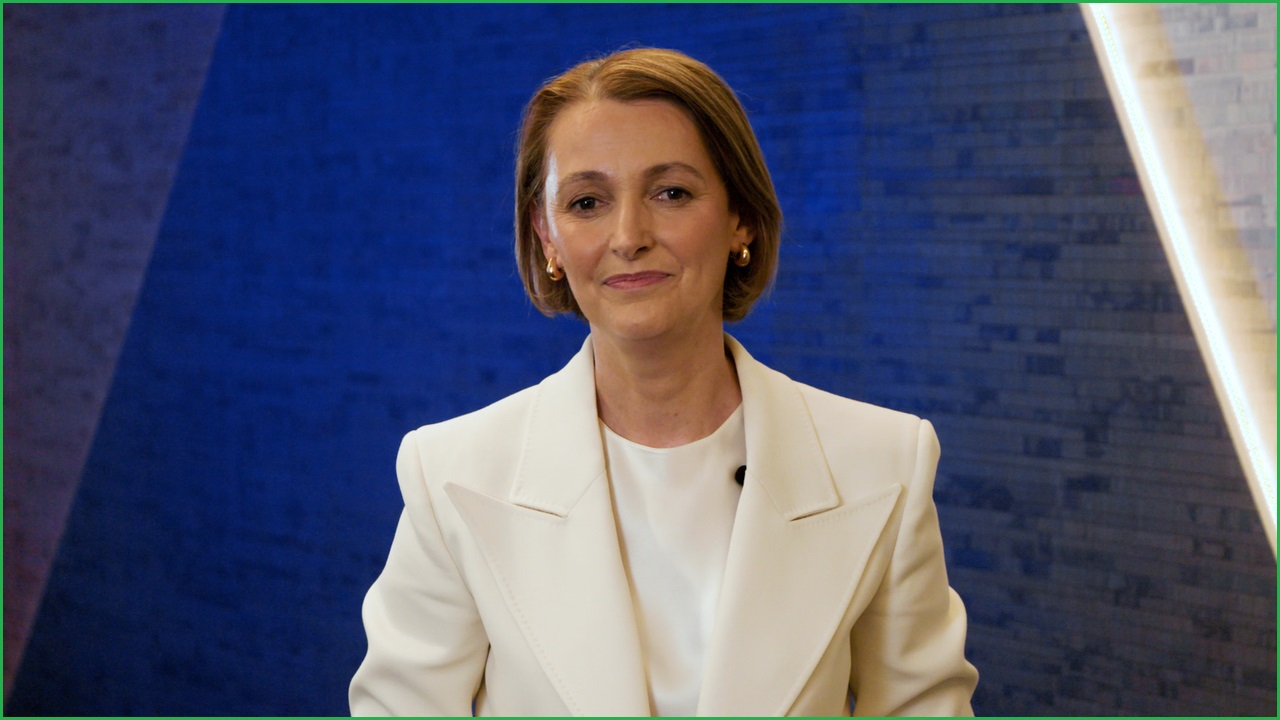
Telstra CEO Vicki Brady launched the company's ‘Connected Future 30’ strategy in May, with a strong focus on AI. Image: Telstra / Supplied
At the strategy launch, chief financial officer Michael Ackand said AI would “revolutionise” tasks “from sales to contact centres, activation, billing, and customer management”, which Telstra had been spending over $2 billion per annum to operate.
The new strategy came after Telstra announced a $700 million AI joint venture with consulting firm Accenture, which has seen the two companies launch an AI office in California as they work together on AI agents and Telstra’s “AI-first ambitions”.
Telstra already uses AI in its contact centres to summarise conversations with customers, and staff also have access to an internal knowledge tool called Ask Telstra which contains product and customer service information.
The group executive of Telstra Enterprise, Oliver Camplin-Warner, said in May that AI was also being used by salespeople to understand customers and suggest “what sort of sales opportunity stands the maximum chance of success”.
Optus CEO: AI will ‘never replace humans where it matters most’
Australia’s second-largest telco, Singaporean-owned Optus, has also increased its use of AI systems — including chatbot tech from Google which it said had led to a 15 per cent reduction in monthly human-assisted enquiries at its contact centres.
Optus reportedly cut around 200 jobs earlier this year — largely from its smart home installation team — after cutting around 600 staff in 2024.
Speaking at the CommsDay Summit in June, Optus CEO Stephen Rue said AI would “never replace humans where it matters most”.
“But AI allows us to pick up on customer pain points faster,” he said.
“It helps us predict and diagnose potential network issues.
“It enables us to create smarter tools for customer service and more intuitive products for consumers to provide faster, more targeted customer experiences and services.”