
Australia’s most popular social media platform could bring new AI-based age estimation tools here by December, after the government confirmed Australia’s 5.1 million children under 16 will be banned from holding YouTube accounts as the government restricts access to harmful content.
The announcement – which reverses a March exemption in the draft Online Safety (Age-Restricted Social Media Platforms) Rules that was granted for the platform’s educational value and slammed by rivals as “a sweetheart deal” – means age restrictions will apply to all social media platforms.
“Delaying access to social media, including YouTube, until the age of 16 will protect young Australians at a critical stage of their development,” the government said in announcing its backflip, “giving them three more years to build real world connections and online resilience.”
With new research confirming the widespread use of harmful social media among kids, social media firms face fines of up to $49.5 million under the legislation, which does not apply to a range of online gaming, messaging, health, and educational services.
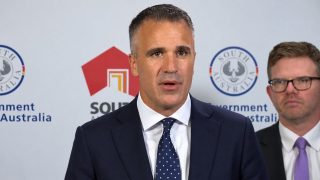
The government “is giving kids a reprieve from the persuasive and pervasive pull of social media while giving parents peace of mind,” Minister for Communications Anika Wells said, adding that “we want kids to know who they are before platforms assume who they are.”
“There’s a place for social media, but there’s not a place for predatory algorithms targeting children.”
YouTube owner Google is said to be considering legal action against over the change, although in a statement a spokesperson said only that it “share[s] the government’s goal of addressing and reducing online harms” and “will consider next steps”.
“YouTube is a video sharing platform with a library of free, high-quality content, increasingly viewed on TV screens,” the spokesperson said.
“It’s not social media.”
Not everyone agrees: with the legislation defining age restricted social media accounts as “services that allow users to interact and post material”, Swinburne University media expert Dr Belinda Barnet said that “YouTube categorically is social media.”
YouTube’s threats of legal action are “a last-ditch attempt to get out the regulation,” she continued, adding that “I hope the government does not back down.”
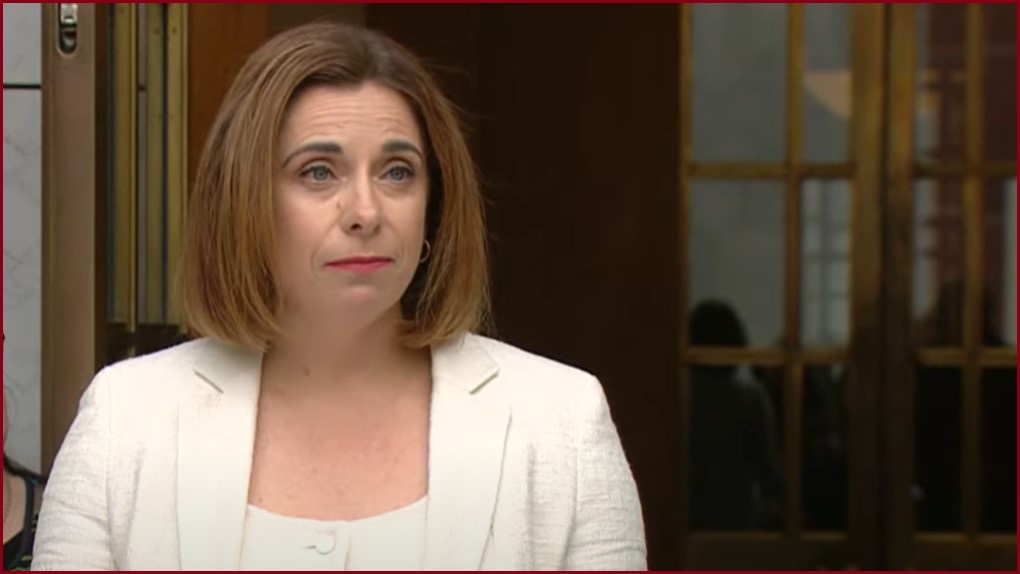
“We want kids to know who they are before platforms assume who they are," said Minister for Communications Anika Wells.
For Google’s next trick, AI is going to guess your age
With the government still sorting out the logistics of contentious age assurance technologies, YouTube is taking its own measures after this month starting trials of AI-based age verification technology that it announced earlier this year.
Designed to provide what CEO Neal Mohan called “the best and most age-appropriate experiences and protections,” the technology analyses “a variety of signals” such as the types of videos a user searches for or the categories of videos they have watched.
It will apply controls to limit content by flagged users, including disabling personalised advertising, turning on “digital wellbeing tools”, and adding safeguards such as preventing the repeated viewing of some kinds of content.
The technology works regardless of what birthdate the user has set in their account, and users who are incorrectly flagged as being under 18 can use a credit card or government ID to prove their age.
Google is testing the technology in the US first and has said only that it will reach other markets “as we make progress” – but with Australia’s 10 December deadline now marked on Mohan’s calendar, it’s not a stretch to assume the AI tool would be key in helping YouTube meet its obligations.
Age verification gaining momentum
The announcement comes as new NAPLAN results confirm that one-third of Australian students aren’t meeting expectations in literacy and numeracy – a decline that has been anecdotally associated with increased distraction by digital devices.
The Association of Heads of Independent Schools of Australia (AHISA), for one, notes widespread concern among member schools that social media had driven surges in anxiety, sleep deprivation, a lack of resilience and patience, and “pseudo social pressure” to conform with online standards.
“We strongly believe that social media plays an enormous role in… poor mental health outcomes,” one school noted, while another said “social media attacks students’ ability to pay attention” and contrasted the “ease of scrolling versus putting time and effort into schoolwork.”

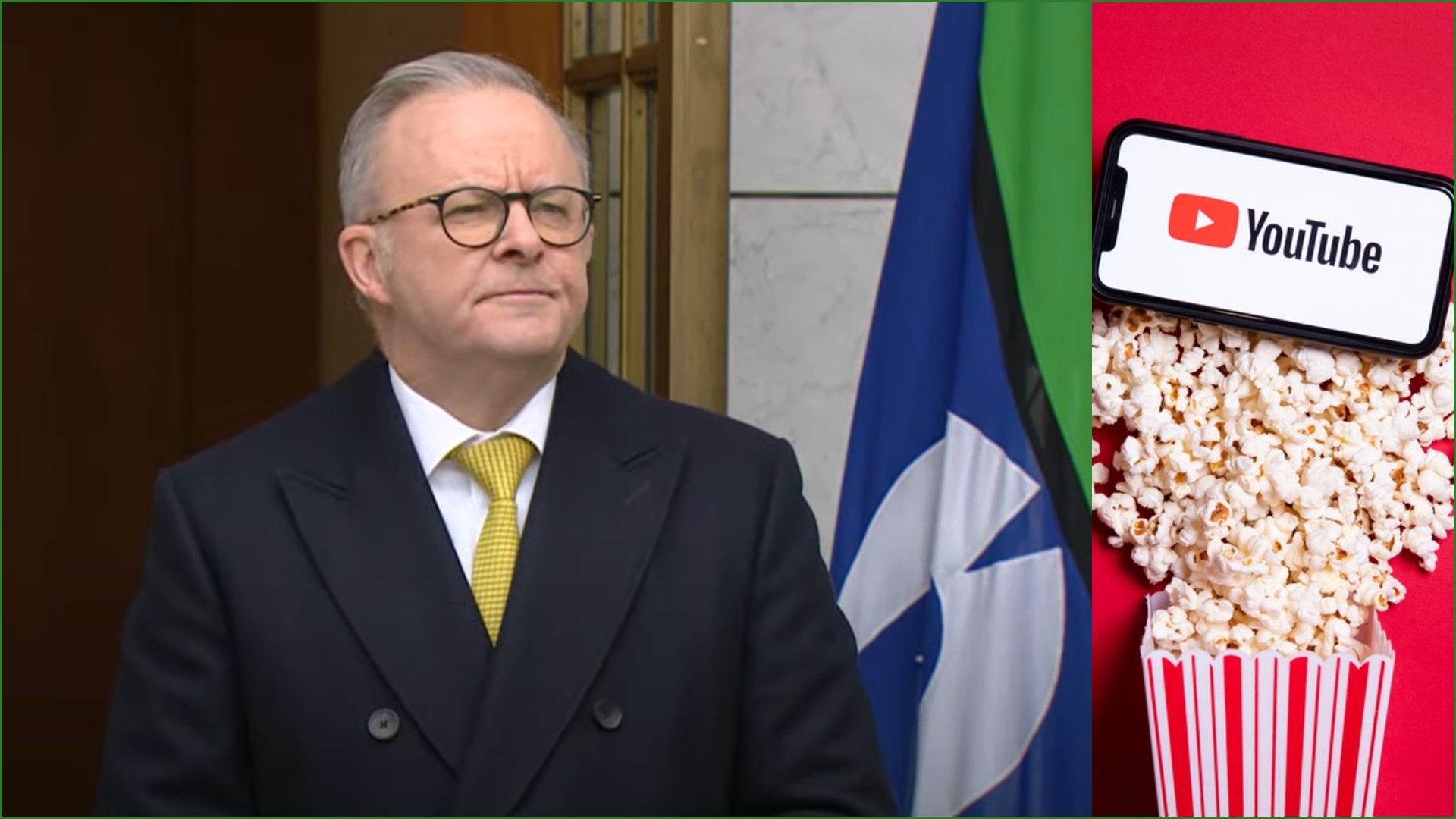
YouTube claims it is not a social media platform. Photo: Shutterstock.
Similar concerns overseas have fuelled a surge in age verification efforts – with UK punters, for example, now required to provide photo ID or take a selfie to access online pornography – although critics report that defeating required age assurance measures is “unbelievably easy”.
Numerous US jurisdictions have tried to implement similar age restrictions on social media accounts, although courtroom defeats have slowed progress and underscored the policies’ contentiousness for many.
With YouTube already Australia’s most popular social media service – it is said to reach 20.9 million people – using AI to automatically ban the 5.1 million users aged 15 and under is certain to create challenges, as will protecting any personal data users supply as proof of age.
Whatever the complexities, Prime Minister Anthony Albanese was confident that they will be worthwhile as he fronted up, flanked by the parents of three teenagers who lost their lives due to social media harm, to announce the final policy rules.
“We know that social media is doing social harm,” he said, “and social media companies have a social responsibility.”
“Parents right across Australia… want to get their kids off their devices and onto the playing fields…. They want children to be able to enjoy their childhood, and that is what this is about.”