


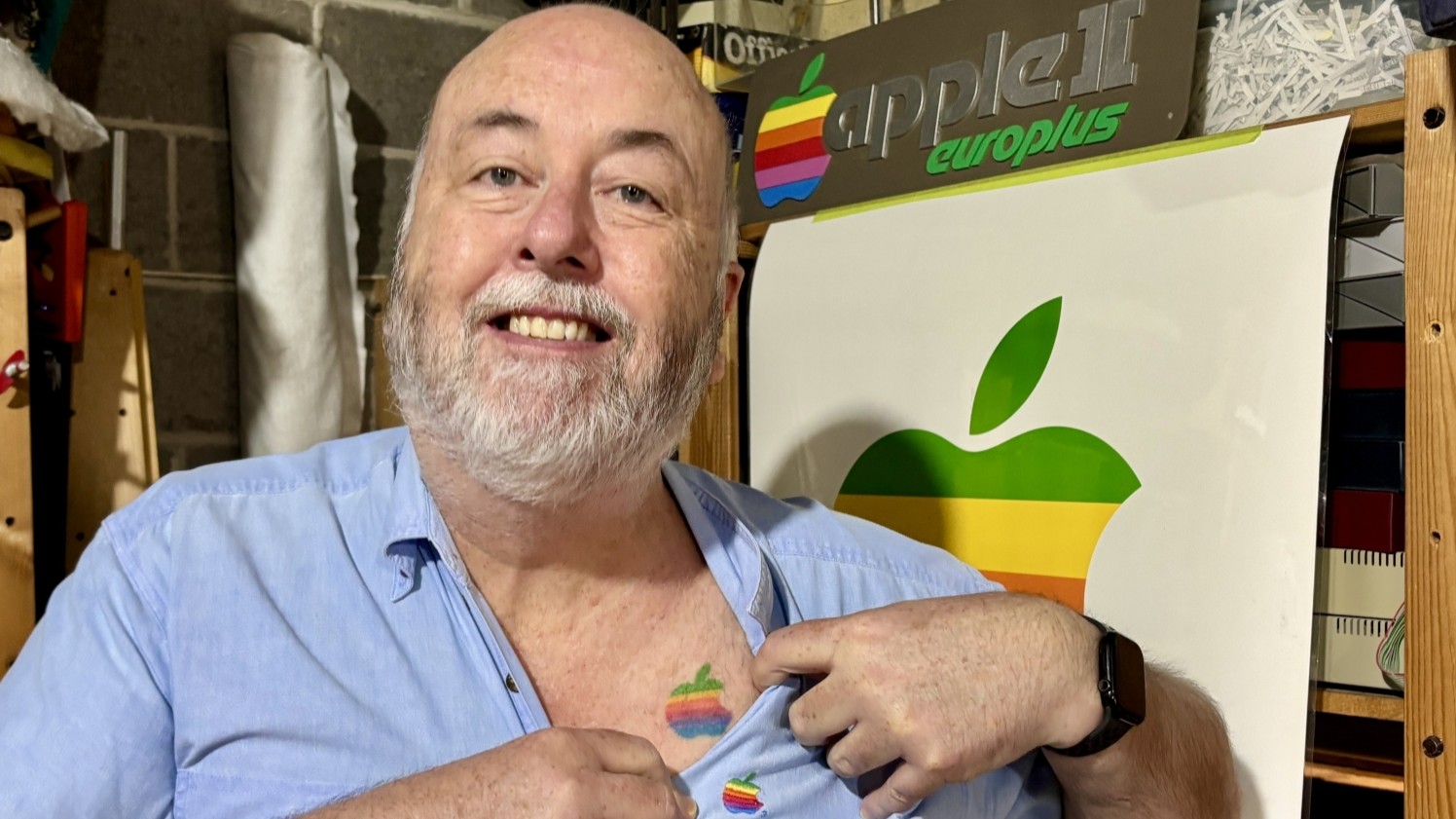

Dressed in a shirt emblazoned with Apple's iconic rainbow logo, Sydneysider Sean McNamara unbuttons his neckline to reveal that very same logo now permanently tattooed on his chest.
“Originally I was going to get it on my back and I thought, ‘But then I'm not going to see anybody's reaction,’” he tells Information Age.
“So I chose above my heart.
“That has nothing to do with Apple being close to my heart – it is purely because I want to see people's reaction.”
Sean says he considered getting an Apple tattoo for years, but it wasn’t until his children offered to pay for one as a 40th birthday present that he had, as he says, “no excuse”.
“Even people who aren't particularly techie, they recognise it and they're just sort of blown away that somebody would be that into something,” he says.
Apple’s literal imprint on Sean mirrors the passion of many other Apple enthusiasts and collectors in Australia, as the technology giant celebrates its own 50th birthday on 1 April 2026.
“Not many computing companies have made 50,” says collector Adrian Franulovich, in front of a wall of Apple computers in his Sydney home.
“You look at a lot of the big companies from the 1970s and 1980s, they don't exist,” he says.
“Commodore, Compaq, Digital – none of them made 50 years.”
While Apple was allegedly only weeks away from bankruptcy in 1997, its remarkable turnaround has seen it become one of the most valuable public companies in the world – now worth almost $US4 trillion.
Founded in 1976 by Steve Jobs, Steve Wozniak, and their lesser-known initial partner Ronald Wayne, Apple says it now has more than 2.5 billion active devices in a world of around 8 billion people.
Information Age spoke with former senior employees of Apple Australia, as well as local collectors, about the Apple devices which have left an indelible mark on the world and how the company has evolved over the past five decades.
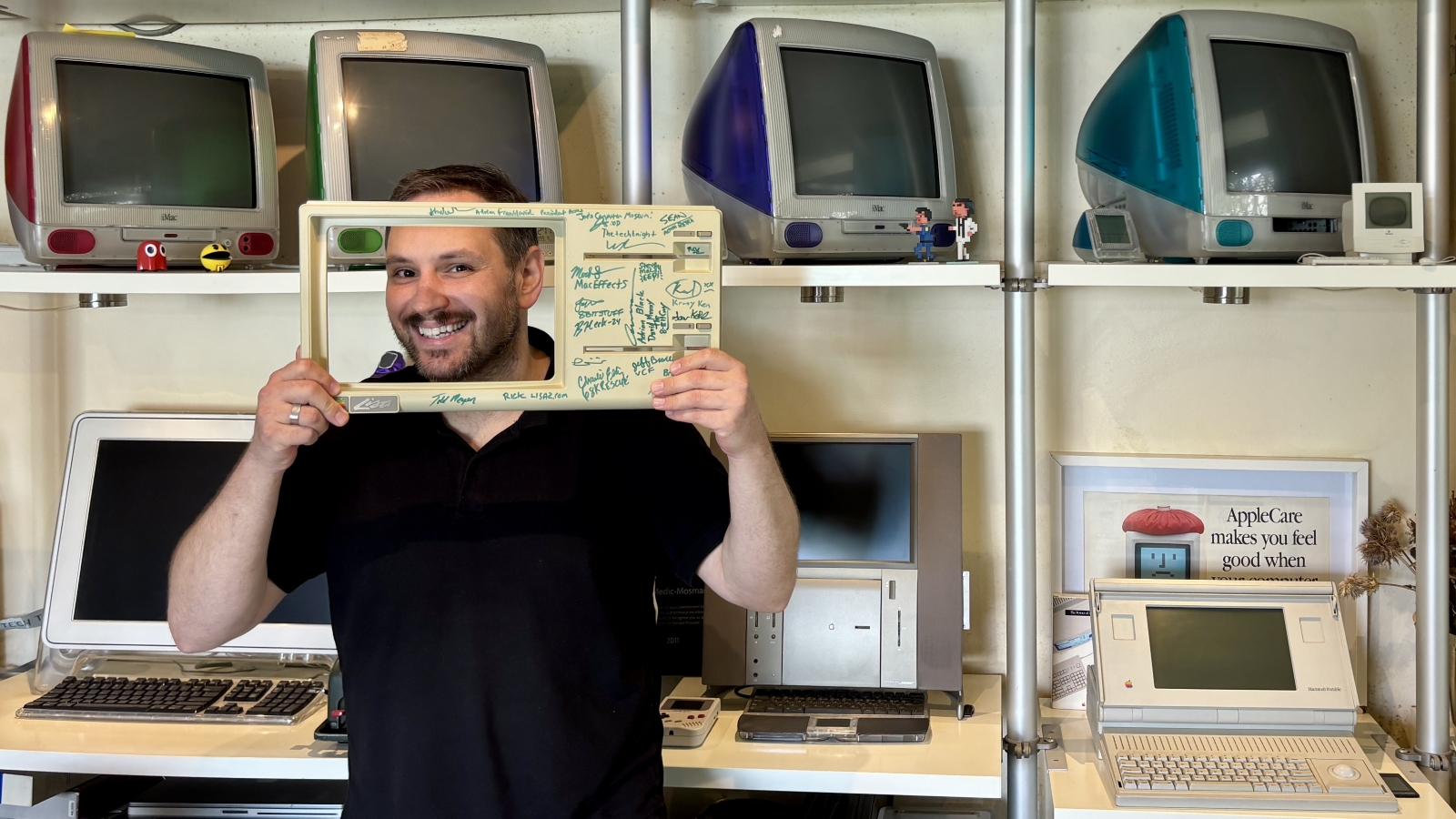
Sydneysider Adrian Franulovich shows off part of his substantial Apple collection. Photo: Tom Williams / Information Age
The first big success: The Apple II
Apple’s second computer, the Apple II – originally stylised as Apple ][ – was the company’s earliest significant victory.
First released in 1977, it was sold as a ready-to-use product, instead of a kit like many of its predecessors were.
Sean McNamara says he convinced his father to buy a Europlus version of the Apple II for their family home when he was still in high school in 1982.
“I became obsessed, I think is the right word," he says.
“I've got a huge amount of nostalgia for it, to the point that I have 11 of them now.”
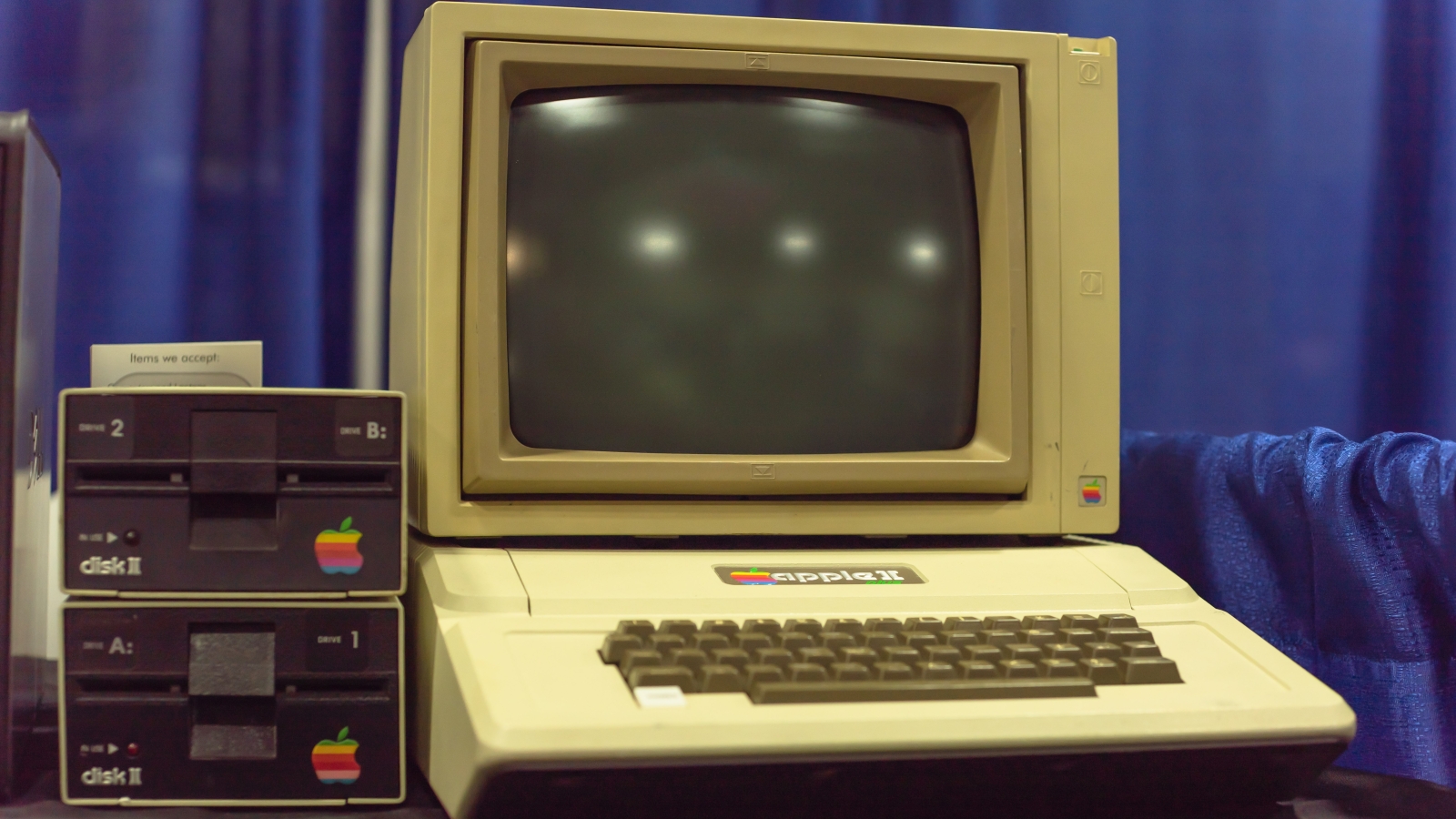
An Apple II Plus connected to an Apple Monitor II and Disk II floppy disk drives. Photo: Shutterstock
Apple’s longest-serving employee, Chris Espinosa – who is still with the firm after 50 years (he was 14 when he joined) – told a Computer History Museum event earlier this month that before the Apple II, the idea of a personal computer was both "radical” and “weird”.
But sentiment shifted.
“It was an explosion of people suddenly looking at [the Apple II] and saying, ‘I could have the power of these big rooms full of computers, and I could have that all to myself,’” he said.
“‘I wouldn’t have to timeshare it, I wouldn’t have to lease it, wouldn’t have to ask anybody to use it – and it would only cost me $US1,295.’
“Which was $US7,000 [$9,900] in today’s money – that was a lot of money – but people were doing it.”
Collector Matthew Styles, who runs Matthew’s Apple Computer Museum (MAC Museum) on Victoria’s Mornington Peninsula, says the Apple II is “arguably the most important product that Apple has ever had, because of what it did for them as a company”.
“It really established them, it gave them the foundation to be able to then start exploring other things down the track,” he says.
“… The Apple II was there to do the heavy lifting for Apple.”
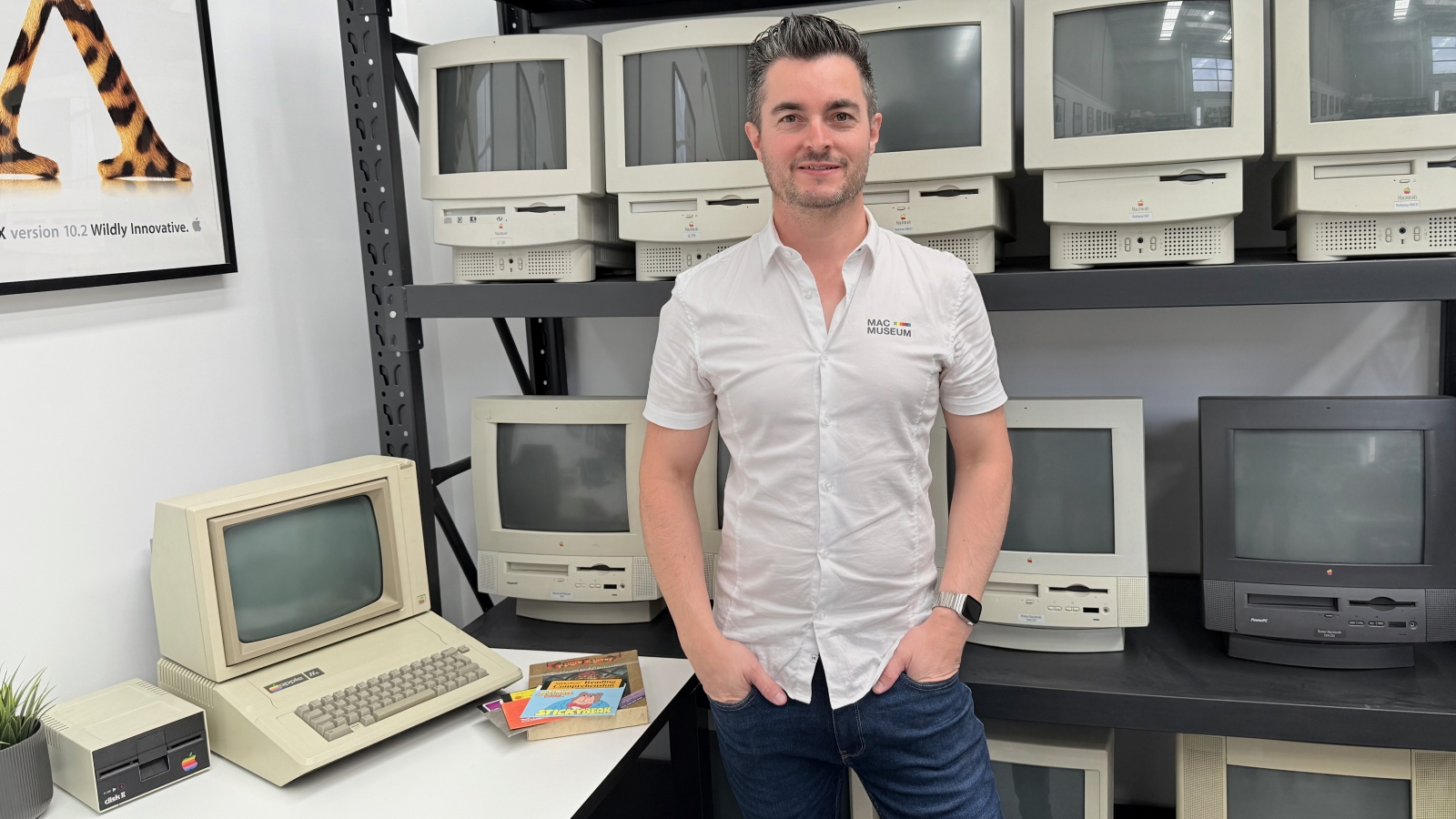
MAC Museum's Matthew Styles with an Apple IIe (left) and several other Apple computers. Photo: Supplied
It wasn't until 1993 that Apple finally discontinued the Apple II – “an amazing run”, Sean McNamara says – and its success helped fund the rise of Steve Jobs’s beloved Macintosh.
“I know a lot of Apple II people who are really pissed off that the Apple II was cancelled, that it supported the Macintosh for so long even though the Macintosh wasn't making money, and that the Mac ended up winning the day in Apple,” he says.
‘Apple wouldn’t be around without the Mac’
Apple’s first employee and managing director in Australia, David Strong, says the Macintosh was “absolutely critical” to the company’s long-term success.
“Apple wouldn’t be around without the Mac,” he says.
Strong joined Apple in 1981 after approaching the company to set up an Australian subsidiary.
He later became a farmer, and is now aged 85.
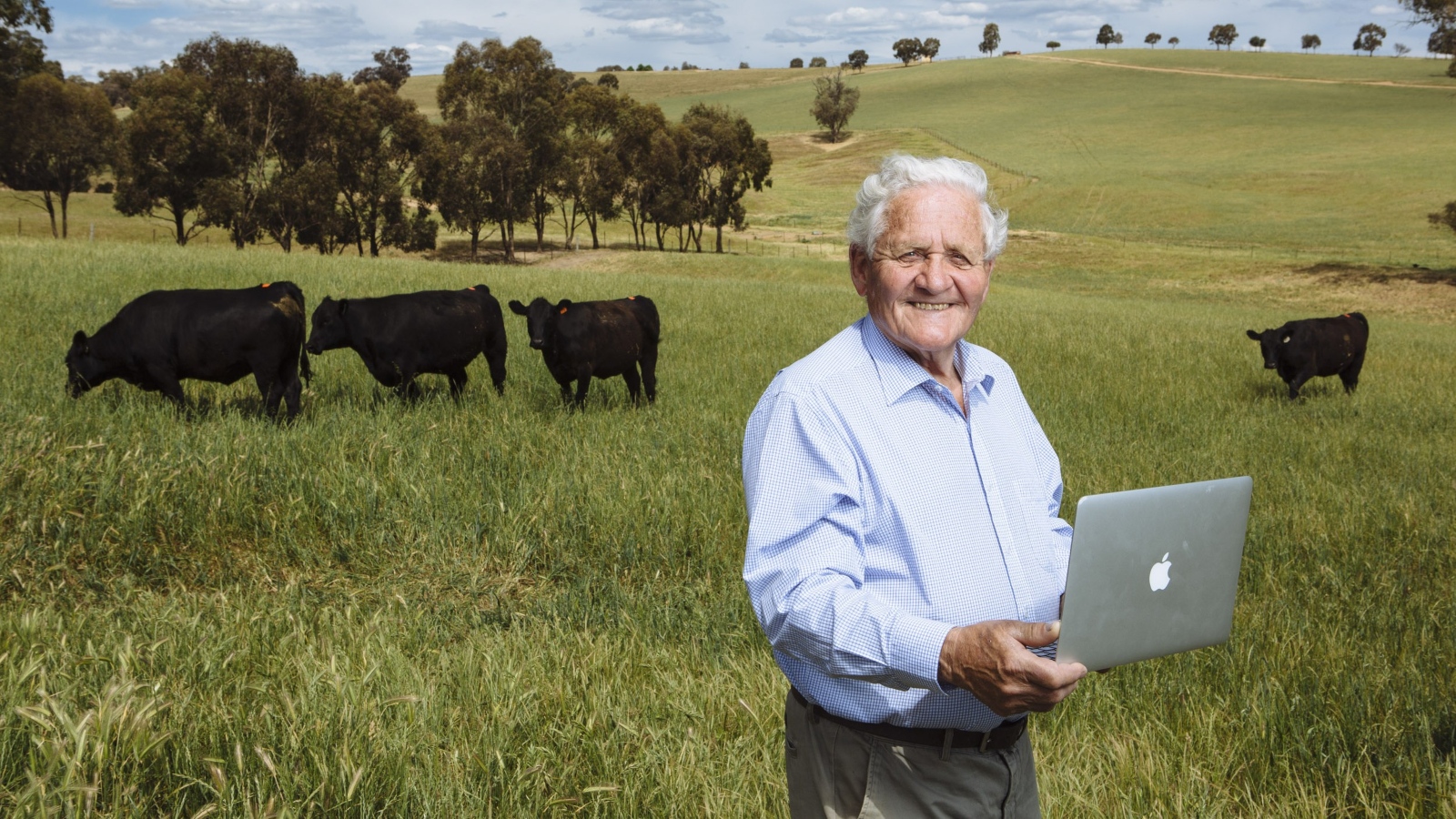
David Strong was Apple's first managing director in Australia. Photo: Angus Mordant, courtesy of Cranbrook School
David remembers that while Apple’s 1983 computer the Lisa was the first mass-market personal computer with a graphical user interface (GUI), its high introductory price of more than $40,000 in today’s money meant it wasn’t until Apple both debuted the Macintosh line and doubled its memory in 1984 that the company made significant inroads.
“It was a huge revolution when Apple increased [the Macintosh's] memory from 128KB to 512KB,” he says.
“Remember, I’m talking kilobytes here – not megabytes or gigabytes.
“It made many of the applications much easier to use and allowed them to run concurrently.
“So you could have – just like a phone does now – many different applications open on a small personal computer at once.
“That's when it started to get pretty wide acceptance into business and industry.”
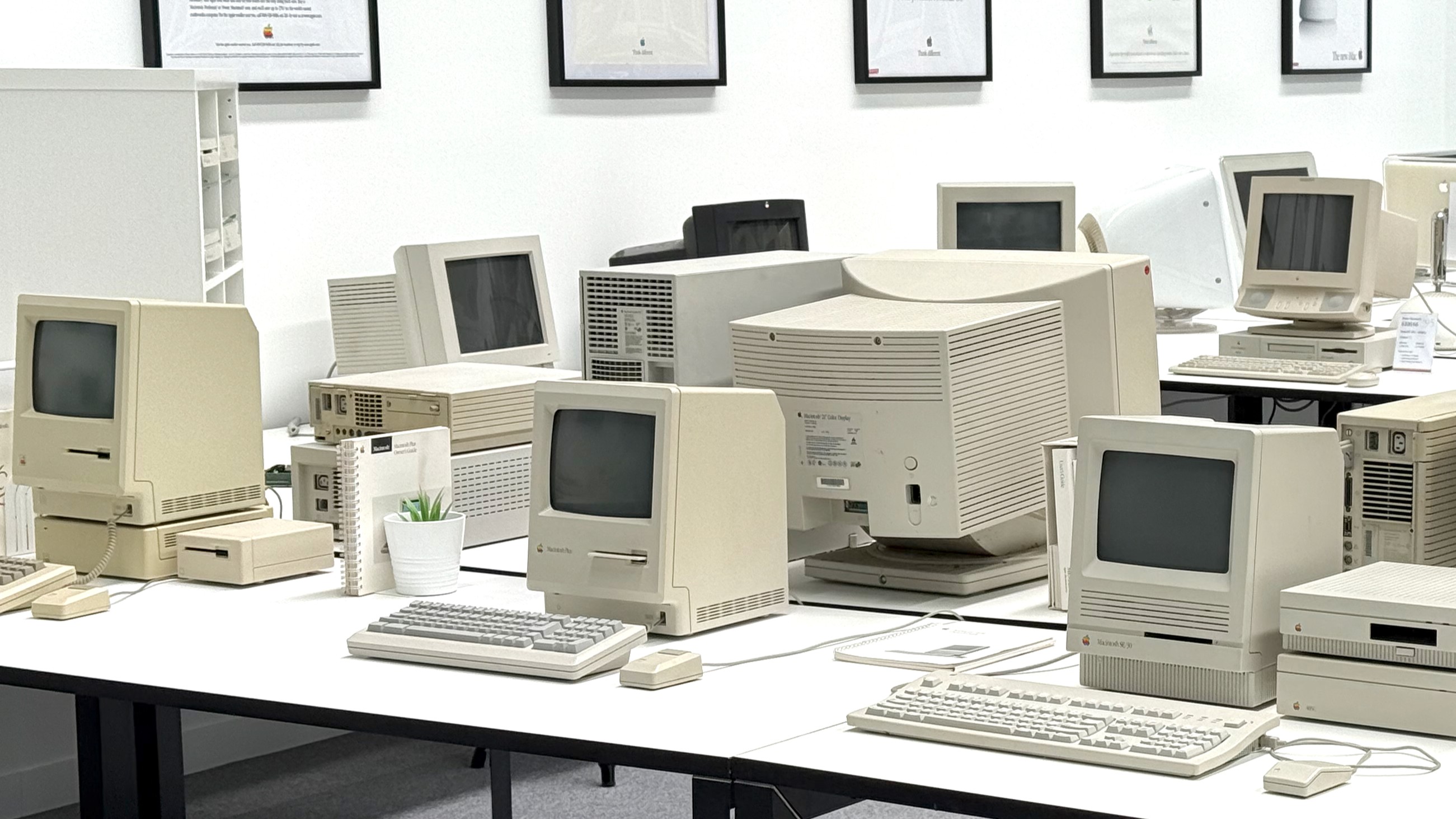
Macintosh computers at MAC Museum on Victoria's Mornington Peninsula. Photo: Supplied
Steve Jobs famously left Apple in 1985 following a power struggle with the company's board and its then-CEO, John Sculley.
After Jobs returned to run the financially troubled company in 1997, Apple’s next major product release was its first iMac, released in 1998 and known as the iMac G3.
MAC Museum’s Matthew Styles says the iMac G3, with its colourful and translucent casing, “was critical for putting Apple back on the map, and really showing that they were a company which could be relevant again after their turmoil in the 90s”.
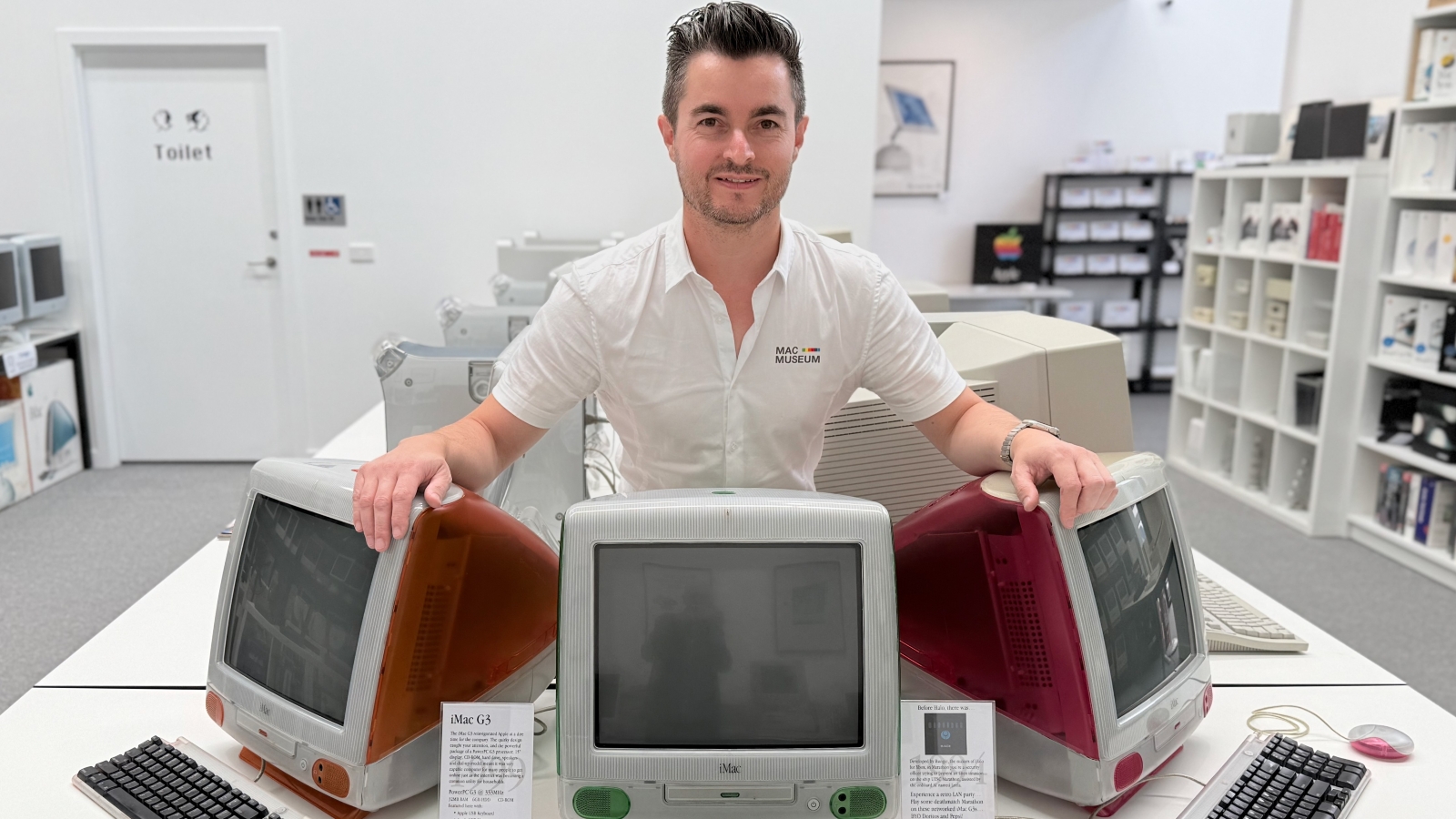
MAC Museum's Matthew Styles with different colours of the iMac G3. Photo: Supplied
Journalist and Apple collector Matthew Powell, a former editor of Macworld Australia, says the iMac G3 was “unashamedly different”.
“It was a device people wanted, not just something they had to get for work or whatever,” he says.
“It changed the way computers and peripherals were marketed – overnight everything was translucent.”
Reflecting on that time, former Apple Australia employee Craig Bradley remembers, “That was when people started coming to me saying, ‘Hey, what's this Mac thing?’
“When I started at Apple in 1996, people were telling me ‘you're ruining your career’,” he says.
“Ten years later, they were asking me for a job.”
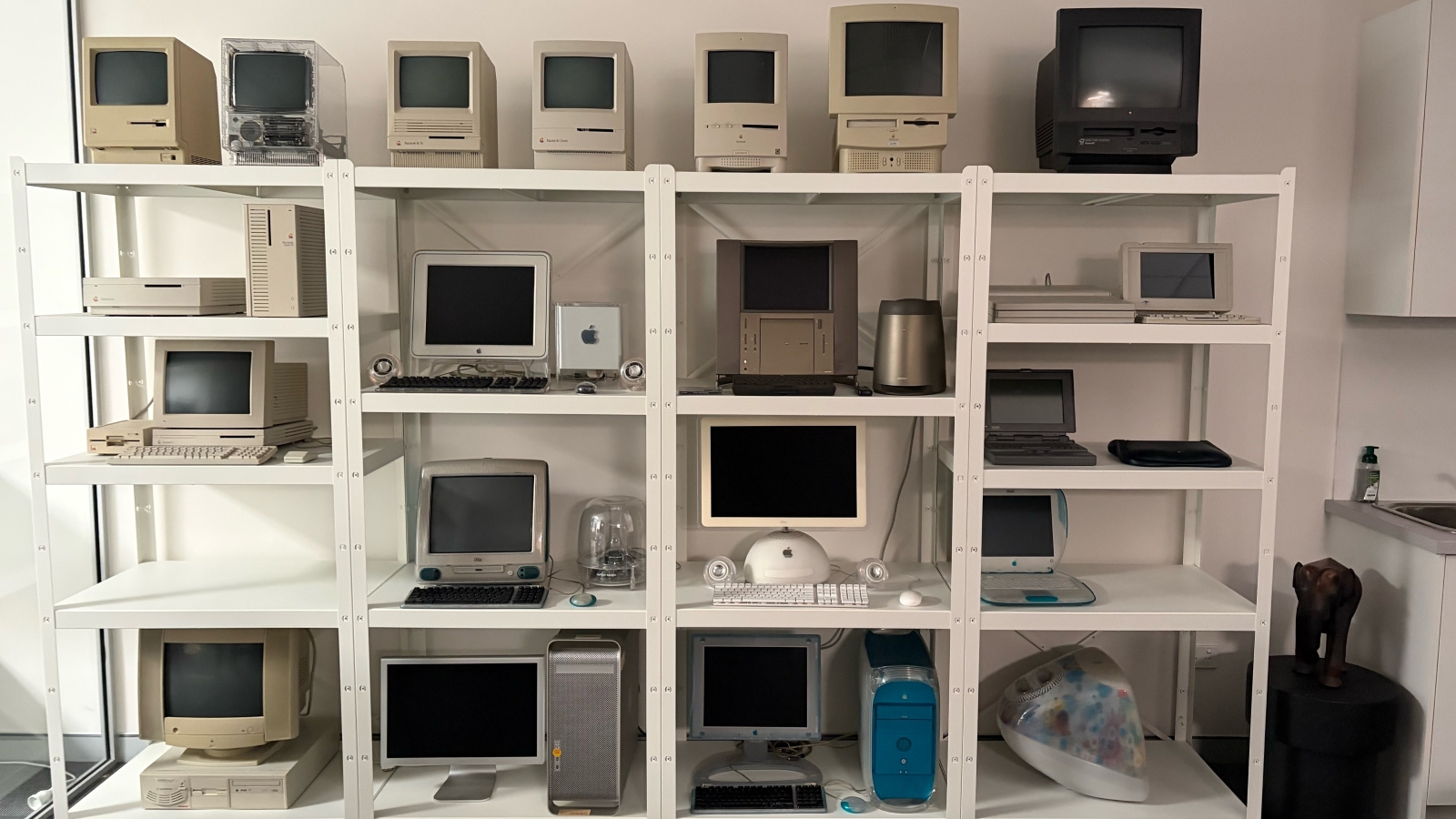
Former Apple employee Craig Bradley's collection contains various desktop and laptop computers. Photo: Craig Bradley / Supplied
Hell freezes over as the iPod makes 'the first huge leap’
Matthew Powell says he was the first journalist in Australia to receive an iPod from Apple for review prior to its release in November 2001.
He remembers filling his review unit’s 5GB hard drive with songs by The Beatles and Janis Joplin, before going for a walk without worrying about the music skipping like it sometimes would on a portable CD player.
“Walking in the park with it attracted a few interested onlookers who had heard of the iPod but for obvious reasons never seen one,” he says.
Matthew argues the iPod succeeded because it was designed to work seamlessly with Apple’s desktop software iTunes, while other MP3 players at the time were “tricky” to load music onto.
“You plugged in an iPod and iTunes knew what to do with it,” he says.
“It was a revolution – people bought Macs so they could use iPods, it was that big.”
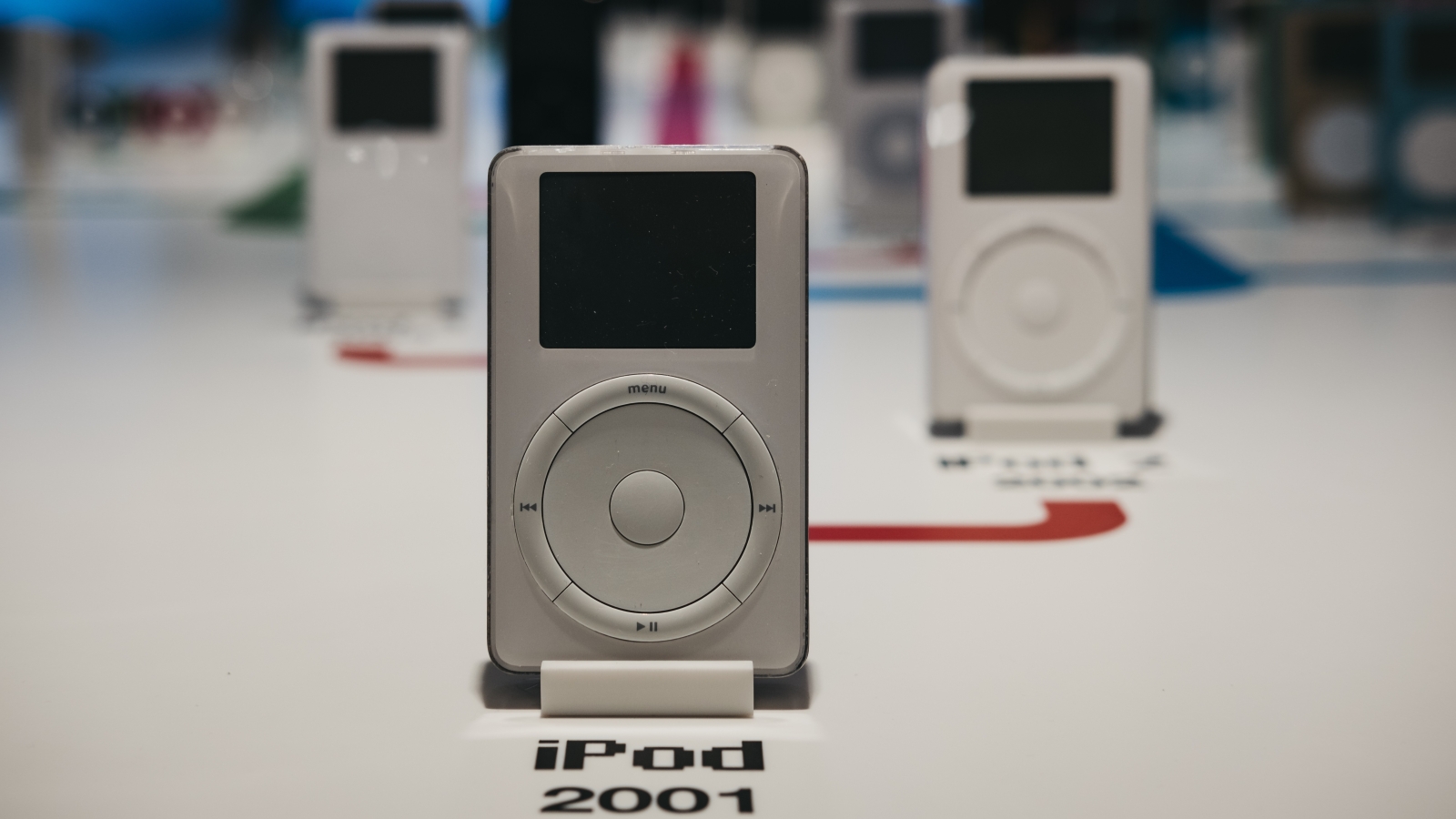
Apple's first iPod, released in 2001, was only compatible with the company's own desktop operating system. Photo: Shutterstock
Former Apple employee Craig Bradley believes Apple would not still exist if it had not created the iPod.
He says that’s not only because Apple’s line of portable music players gave it “the confidence, the money, and the revenue” to tackle projects like the iPhone – but also because it opened Apple’s ecosystem to a wider audience.
Notably, he argues Apple’s decision to make iPods compatible with Microsoft’s Windows operating system over USB (instead of just FireWire) in 2003 was “a big deal”, and marked “when the iPod really took off”.
“It was pivotal on doing iTunes for Windows, and Steve [Jobs] was basically saying, ‘Hell is going to freeze over before that happens.’”
Despite Jobs’s initial resistance, he was convinced to change his mind, Craig says.
Confirming the change in a media presentation in October 2003, Jobs said, "This feature, a lot of people thought we would never add – until this happened,” before pointing to a keynote slide which read, "Hell Froze Over."
“iTunes for Windows is probably the best Windows app ever written,” Jobs added, to laughs from the crowd.
Adrian Franulovich suggests that while people often say the iMac is what revived Apple after Jobs’s return, his experience working in Apple retailers at the time showed him “the iPod is what brought Apple back to life”.
“The iPod is what opened the door to the mass market,” he says.
While the first few generations of the iPod sold well, it wasn’t until the touch-sensitive click wheel was introduced for scrolling menus on the iPod Mini and fourth generation iPod in 2004 that things skyrocketed, Adrian remembers.
"We could not buy enough of them from Apple to keep up with the sales,” he says.
“It was just incredible to watch the pivot and how big a difference it made – that was the first huge leap.”
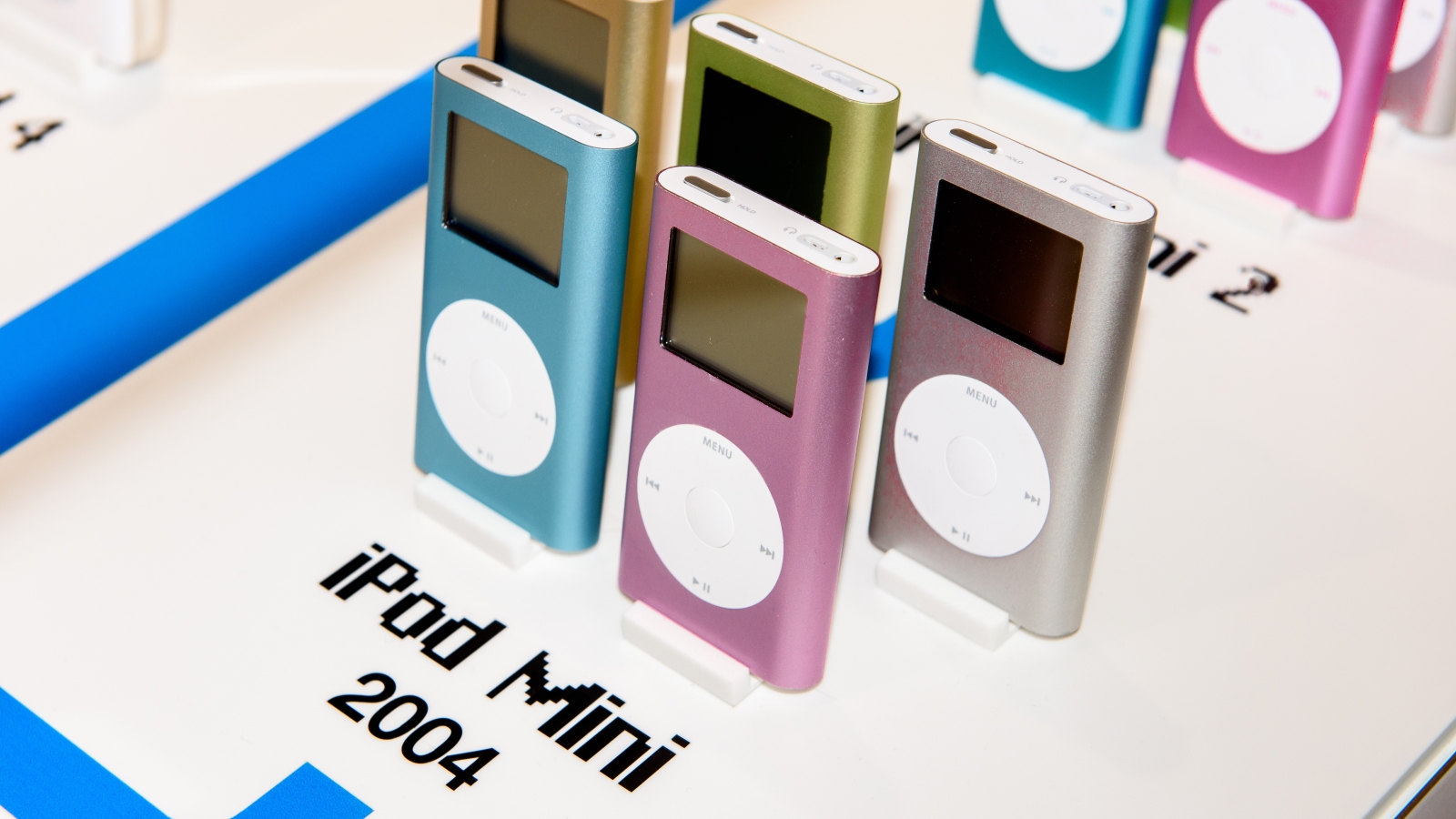
The click wheel introduced on the iPod Mini and fourth generation iPod allowed users to scroll through menus. Photo: Shutterstock
The iPhone arrives: ‘One of the most revolutionary products ever’
Former Apple Australia chief David Strong remembers Steve Jobs “could see that iPods were going to evolve towards a personal digital system” like the iPhone, and so did not invest much in the Newton – Apple's portable personal digital assistant (PDA) device, released in 1993.
This “caused huge controversy in the company” at the time, David says.
“But to be honest, it proved to be the right decision, because the Newton didn't have a well-defined growth path, but the very early iPods had the obvious growth path into a phone and where they are today.”
Craig Bradley, who left Apple in 2021 after more than 25 years there, said the company “wouldn't be the Apple it is now without the iPhone”.
“The numbers don't lie – Apple didn’t become a trillion-dollar company on anything but the the iPhone,” he says.
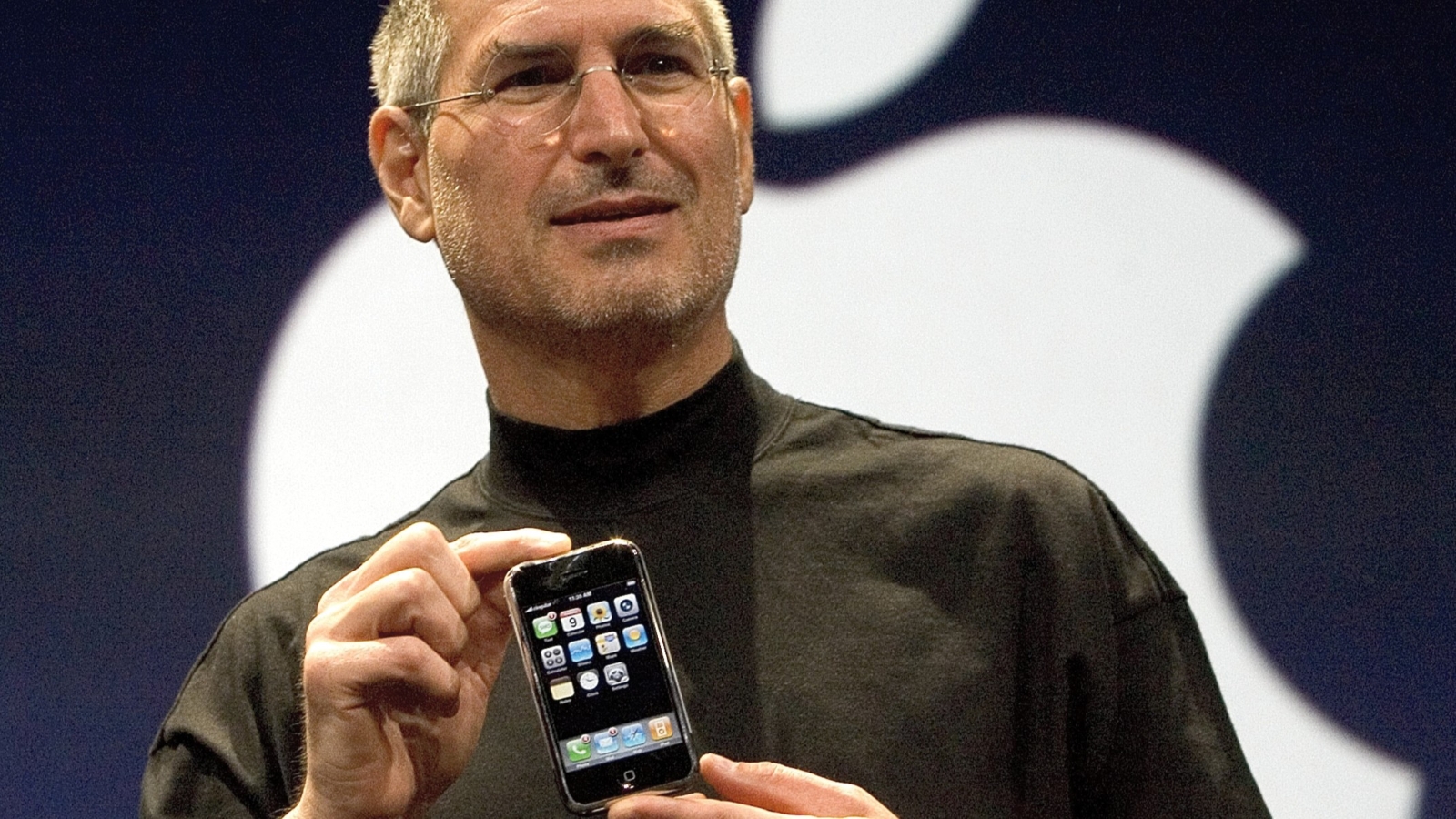
Steve Jobs unveils the original iPhone in January 2007. Photo: Apple
Craig, who moved into developer relations at Apple after initially working on getting its devices into Australia’s education market, describes the iPhone as a “once in a generation” device, and “one of the most revolutionary products ever made”.
But he has uneasy feelings about smartphones bringing social media apps directly into people’s pockets.
"The iPhone changed society in ways that I genuinely didn't expect, and ways that I certainly have a little bit of guilt about," he says.
“… Because I had a lot to do with approving a lot of those apps.”
Still, the launch of the App Store a year after the first iPhone was released in 2007 caused a “dramatic change” in developers’ views of Apple, Craig says.
“When the App Store appeared, we went from developer relations where we had to pay people to go to our Worldwide Developers Conference [WWDC] – we actually did, we used to pay for Australian developers to go – to a point where we were selling out the whole conference in 30 seconds,” he says.
While the App Store now makes Apple billions of dollars each year, Craig claims “there was no real intention to make money out of it” during the company’s initial brainstorming sessions.
“It was to just make software available so developers could develop easily, so we could harness their creativity,” he says.
“And we basically were able to pay for it pay to run the service – that was realistically what it was all about.”
Encouraging developers to make apps for the iPhone through the exposure of the App Store was what eventually “turned smartphones into productivity and entertainment machines”, Matthew Powell suggests.
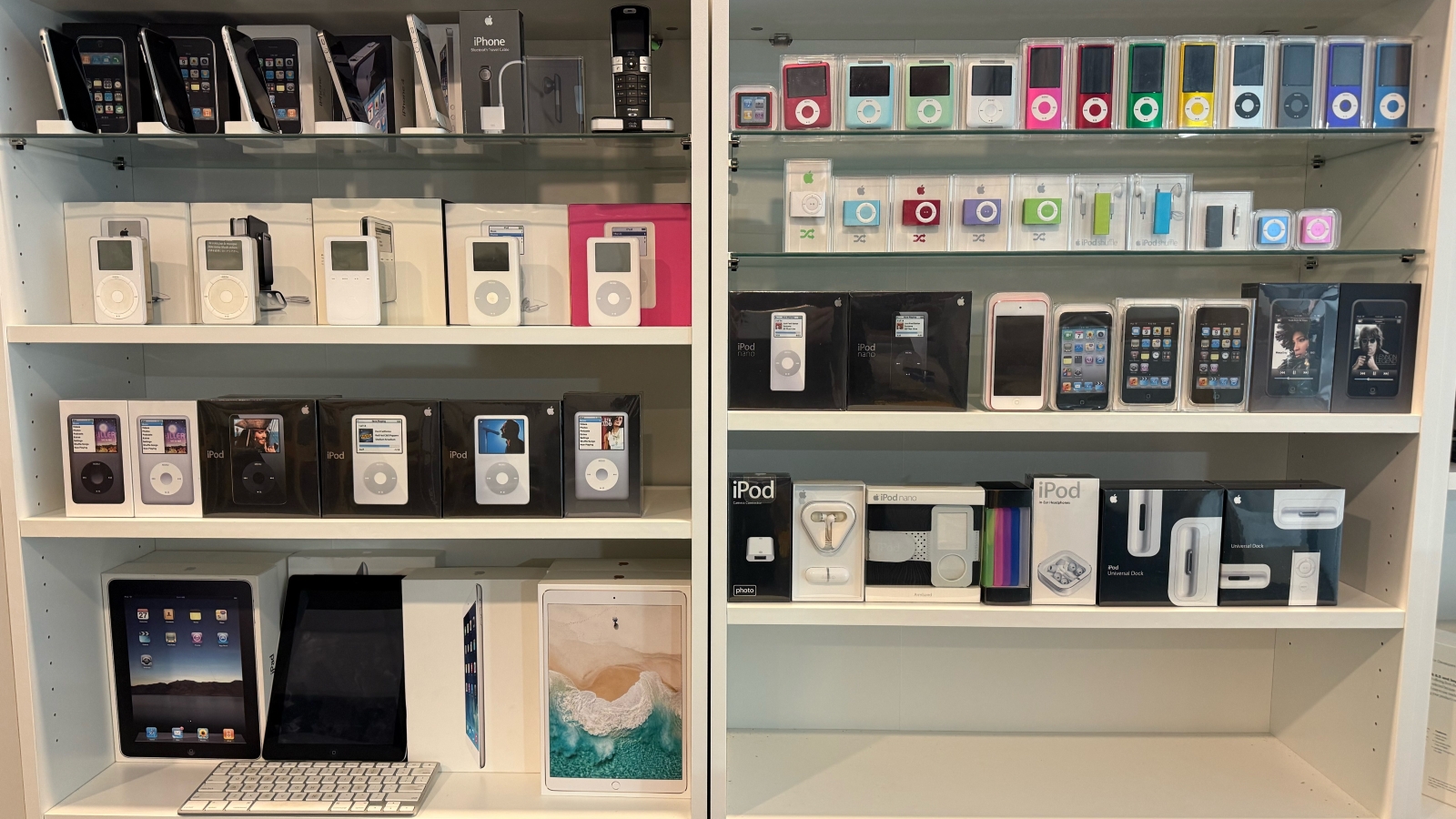
Craig Bradley's Apple collection also features several iPods, iPhones, iPads, and related accessories. Photo: Supplied
The ‘genius’ of Steve Jobs
David Strong says that aside from Apple’s culture of hiring the smartest people and allowing them to learn from their mistakes, the company would not have survived without what he calls “the genius of Steve Jobs”.
“He had, firstly, a total belief in himself and what he understood of the industry,” David says.
“And I don't know how he did it, but he seemed to know where the industry was headed five years into the future.
“Most product development phases rely on focus groups and testing of the product in the marketplace.
“Jobs’s attitude was, ‘People don't know what they want – there’s no point asking them.’”
This vision allowed Jobs to see the true potential of GUIs and personal computers, David says.
“As so often happens, engineers alone can't make a product,” he posits.
“It takes engineers collaborating with marketers to actually shape the product the way that consumers may ultimately want it.
“And in those early days Jobs was essentially the marketer.”
Craig Bradley argues Apple would no longer exist if Jobs had not returned to the company in the late 90s to simplify its product line and push for the iMac, iPod, and iPhone.
“Apple was six weeks from going bankrupt back in the 90s … they just didn't have the product, didn't have the vision,” he says.
MAC Museum’s Matthew Styles agrees that Apple “wasn't on a good trajectory” before Jobs returned to the company.
“The creativity that came out of Apple after Steve Jobs returned to Apple wasn’t just Jobs – it was the great people that he had working around him,” he says.
“Some of those people had been there for a little while, and it appears it took Steve Jobs to bring out their best.”
Indeed, Jobs “challenged people to be better than they could possibly be”, but could also be difficult to work with, Apple’s longest-serving employee Chris Espinosa said earlier this month.
“Steve wasn’t unusual in that challenge, but he was more abrasive about it – but I think he also commanded more loyalty, and more of a sense of gratification from the success of that,” he said at the Computer History Museum event.
“But he could also be, especially back then, sneakily or badly cruel."
In August 2011, an unwell Steve Jobs resigned and named Apple's chief operating officer Tim Cook as the company's next CEO.
Jobs died six weeks later due to complications from the relapse of a pancreatic tumour.
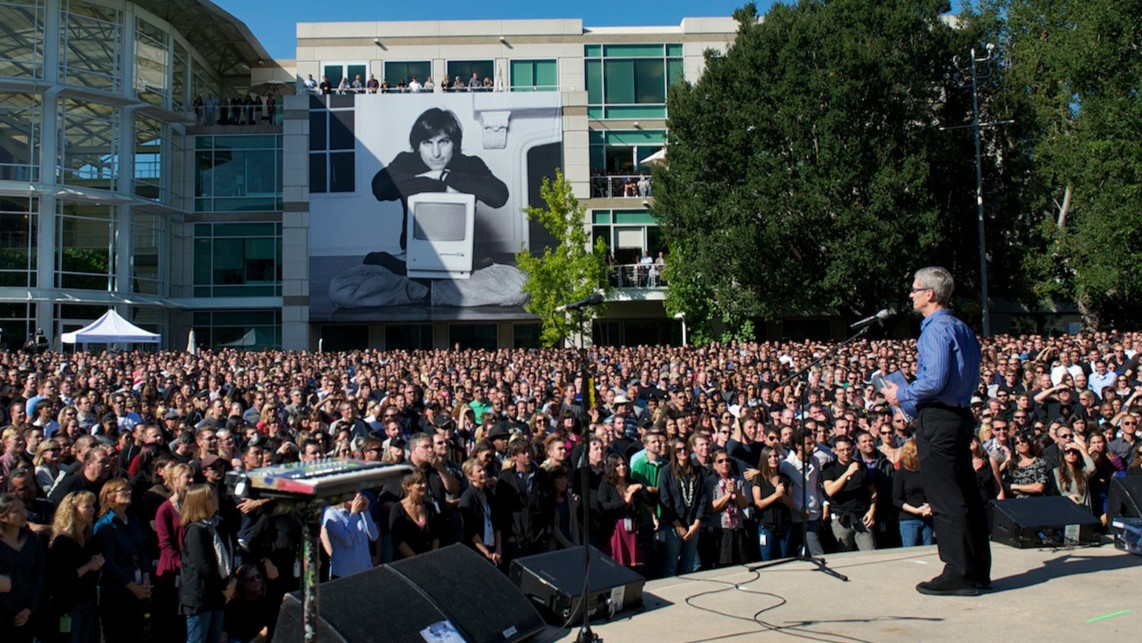
Tim Cook speaks to Apple staff at an event to honour Steve Jobs in October 2011. Photo: Apple
Apple under Tim Cook: The ‘numbers man’
Under Tim Cook’s leadership, Apple has launched new product lines such as the Apple Watch and Vision Pro headset, and moved further into services and subscriptions – including platforms for music and video streaming, gaming, and exercise.
“There was lots of internal debate about those [services] at the time,” Craig Bradley remembers.
He says Apple staff worried about whether such services would be successful, or whether they would “cheapen” the company's prestige brand.
“There were many discussions, but those services have turned out to be a massive moat around Apple's ecosystems,” he says.
"I think [Tim Cook] did a good job there, and he's still doing a good job from all accounts,” adds David Strong.
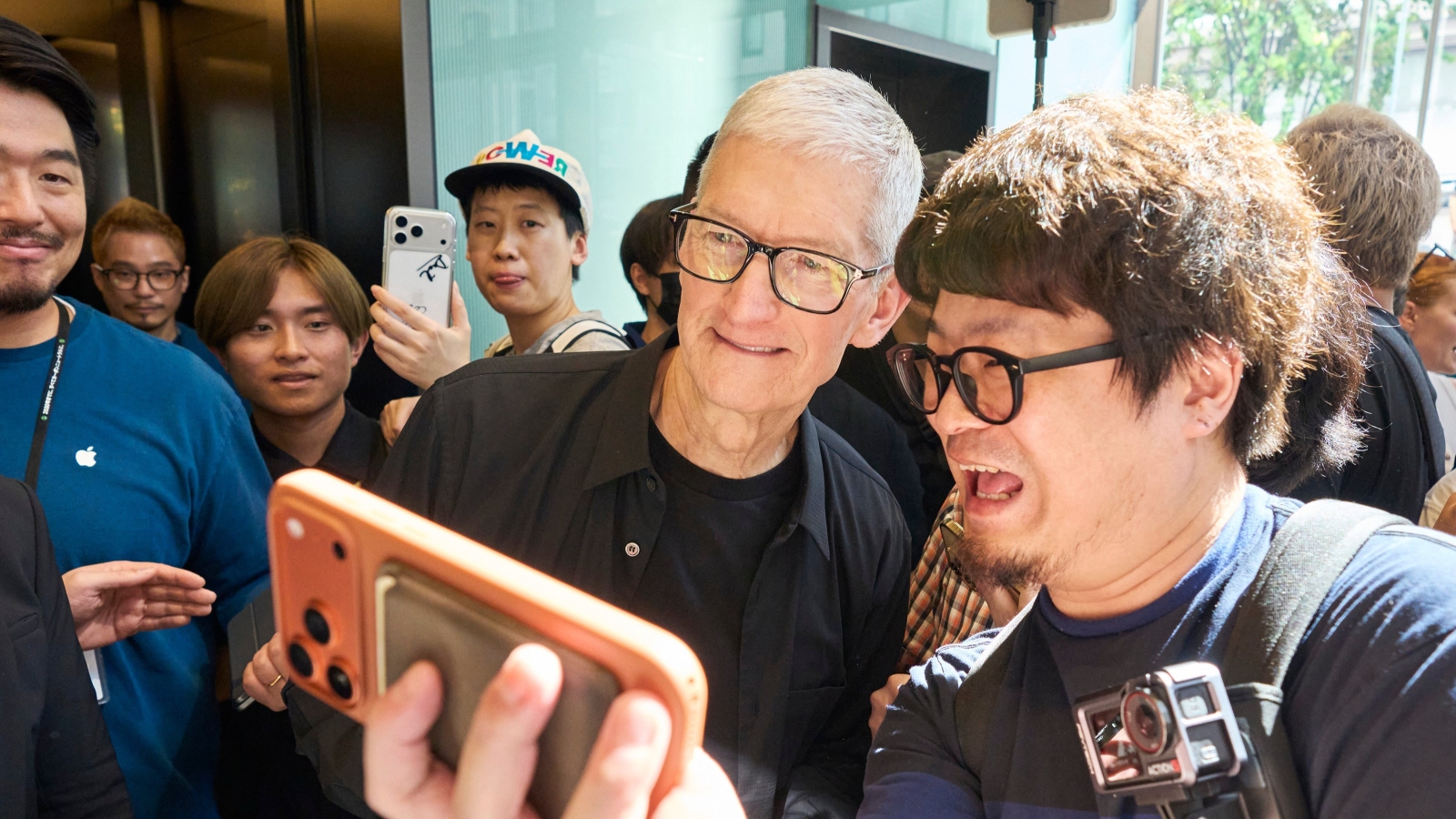
Tim Cook meets customers at an Apple Store in Tokyo. Photo: Apple
In an open letter ahead of Apple’s 50th anniversary earlier this month, Tim Cook quoted the company’s iconic ‘Think Different’ advertising campaign of the late 90s and early noughties, dedicating his words to “the crazy ones: the misfits, the rebels, the troublemakers, the round pegs in the square holes, the ones who see things differently”.
While former Apple employees interviewed by Information Age spoke positively about Apple under Tim Cook, most enthusiasts and collectors suggested the company had become more risk-averse and less likely to release bold new products under his leadership.
Adrian Franulovich suggests Apple has not shown “any new leads” for revolutionary or category-defining products since the Apple Watch debuted in 2015.
“Apple's done the [2024 Vision Pro] virtual reality headset … but it's not there yet,” he says.
“And I think Apple has unfortunately lost its way – it's being run by someone that's a financial person, and I don't think any company is ever served well under someone whose main goal is finance,” he adds, hinting at Cook’s time as Apple’s COO under Jobs.
Sean McNamara agrees.
“Tim Cook is a numbers man, and that helped when he was the numbers guy,” he suggests.
“I think part of the problem is if he only looks at the numbers, that's all he really sees.”
Journalist and collector Matthew Powell says Apple is “not as nimble” as it used to be, and now “takes fewer risks”.
“I haven’t seen Apple invent anything for a while, and I miss that,” he says.
“I miss the anticipation of Apple announcements, because they were so frequently huge steps forward.
“I don’t think Apple has lost its ability to innovate, but I worry whether its sheer size and market power make it think it doesn’t have to.”
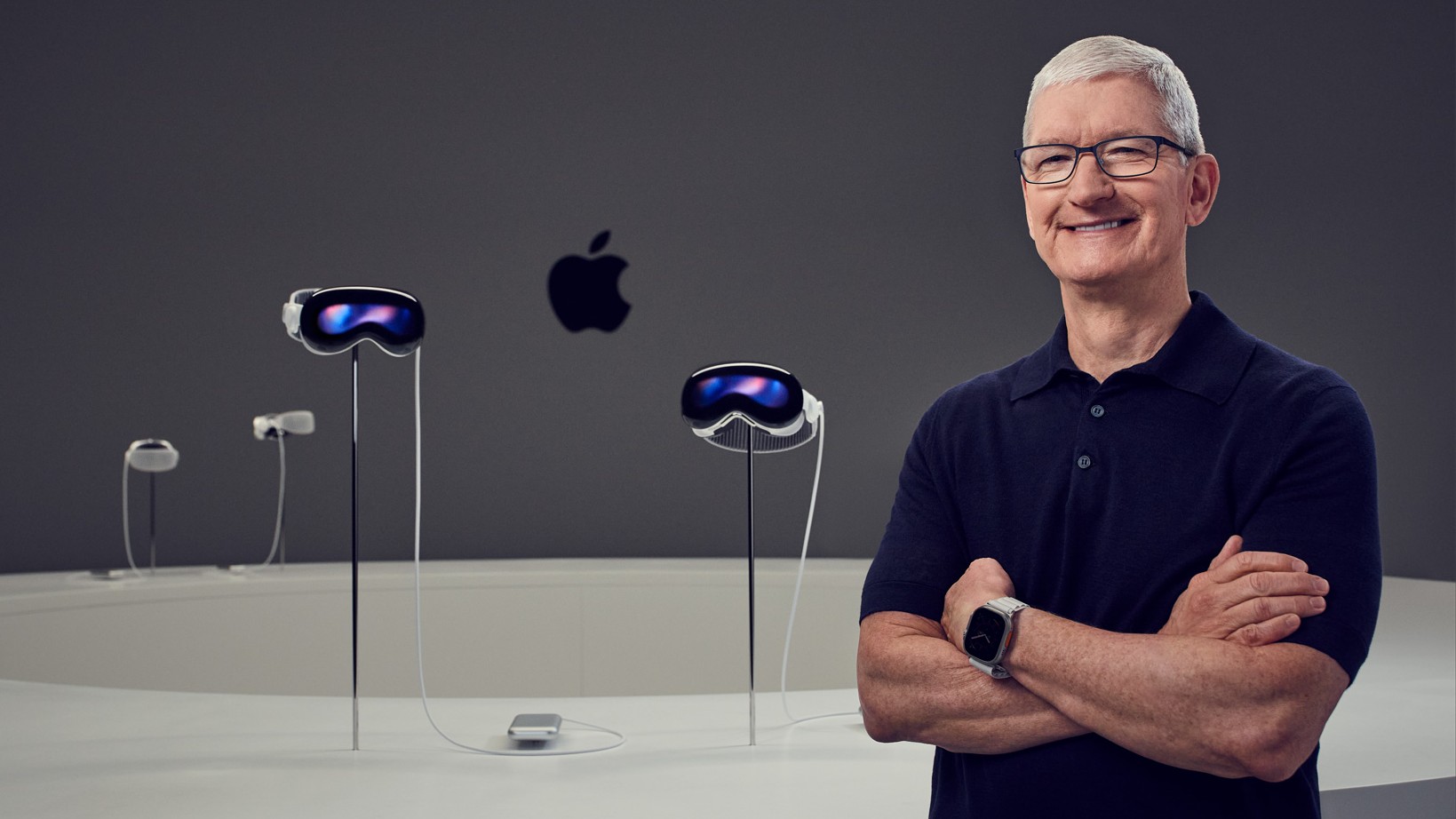
Apple released the Vision Pro under Tim Cook's leadership in 2024, but it has not achieved mainstream success. Photo: Apple
Collector Matthew Styles admits Apple’s more recent products don’t get him as excited as “the older stuff” from the 90s and noughties.
“It doesn't feel like we're seeing those massive advancements,” he says, “with the exception of a few things, such as Apple's transition to Intel [chips], and the transition to Apple silicon, of course."
While Apple’s current products “are fantastic tools for everyday life”, they “have lost a little bit of their personality or their character”, he suggests.
Matthew says he’s “hoping that may change”, and he sees Apple’s new entry-level MacBook Neo as a recent product which is “a bit more exciting”.
“We've got some colour, we've got a great price point on it,” he says.
“Arguably, it's going to get into the hands of many, many thousands of people – potentially younger people as well, which is awesome.
“That launch of the MacBook Neo was probably one of the most exciting things I've seen from Apple recently, in my opinion.”
Tim Cook revealed earlier this month that Apple’s recent launch of the MacBook Neo, alongside refreshed MacBook Air and Pro models, saw the company break its record for first-week launch sales among new MacBook owners.
Sean McNamara also applauds Apple for the MacBook Neo – which was found to be the most repairable Mac in 14 years by iFixit – given Apple has been criticised for not making its devices repairable enough.
“It should be repairable and still be special,” he says.
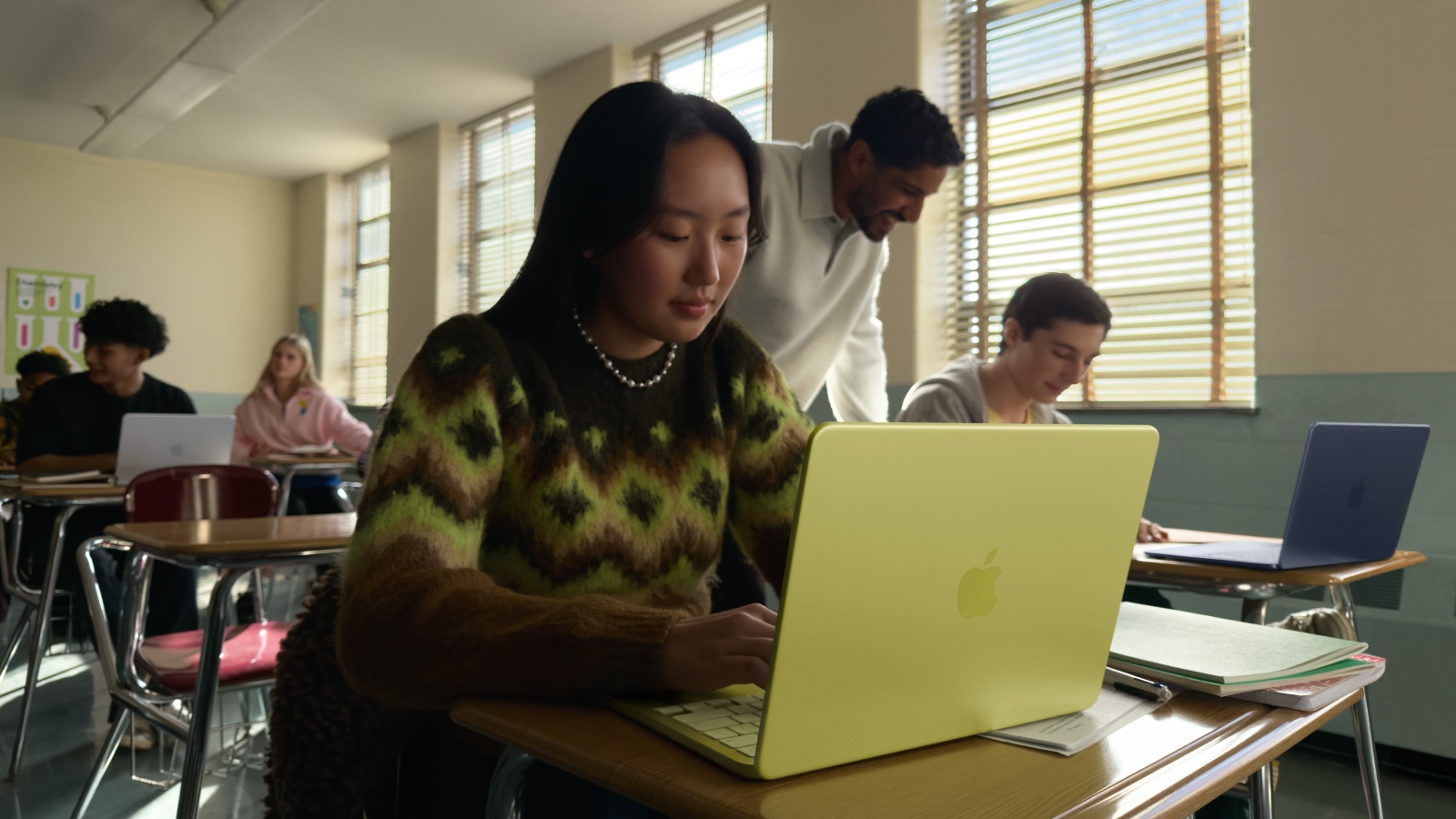
Apple says it has seen strong demand for its new entry-level MacBook Neo, which launched in March 2026. Photo: Apple
Despite Apple facing criticism for what some see as a plateauing of its innovation, Matthew Styles says "you can't take away from the great things Tim Cook has done for Apple as a company”.
“From when he stepped in to where the company is now, it has grown,” he says.
That's irrefutable; Apple’s revenue and market capitalisation have grown significantly during Cook’s tenure.
“He's not Steve Jobs,” adds Matthew.
“There's a different role that Tim Cook plays with Apple compared to what Steve Jobs played at Apple.
“And I don't think that's a bad thing, but I think we do need to see another Steve Jobs-like personality come into Apple, maybe to provide a bit of that reinvigoration again of what the products are and the connection people can have with them.”
Sean McNamara says there’s “a lot” about Apple he doesn’t like these days.
Namely, he’s “really disappointed” in how the company’s leadership has handled US President Donald Trump’s two presidencies, including giving the controversial leader gifts and donations.
How does Sean think Steve Jobs would have handled Trump?
“I would hope that he'd consider Trump a bozo,” he says.
Sean admits it's depressing that Steve Jobs did not live to see Apple reach its 50-year milestone.
“I think it's really sad that the youngest of the three founders isn't here,” he says.
“I think Apple would be different, if he were.”

,%20john%20ternus%20(right)%20hello%20apple%20instagram.jpg.transform/320x180/img.jpg)