
Atlassian CEO Mike Cannon-Brookes says there is "logical sense" behind the Australian software giant's decision to shift its information technology teams under the direction of its human resources chief.
The company's chief people officer, Avani Prabhakar, was given the additional title of AI enablement officer in April 2026, putting her in charge of Atlassian's 'People and Transformations' group.
This took her from running a 700-person HR team to leading more than 3,000 people, including IT, data science, customer tech support, and customer engineering.
At the time of her double appointment, Prabhakar said Atlassian was "approaching AI as a cultural transformation first, and a technology shift second".
"In this role, I’ll be focused on unlocking the potential of every Atlassian by pairing cultural and technology transformation together," she said.
"That means doubling down on enablement and experimentation, weaving AI into essential workflows, and keeping responsible technology use and skills development at the core of how we work."
'Why is HR running IT?'
Speaking on The Verge's Decoder podcast, released on Tuesday, Cannon-Brookes said Atlassian "aren’t afraid to put things together in unusual ways in the organisation where we need to solve problems".
He admitted that the fact the company's IT team now reports to the head of HR "is unusual".
"You're like, 'Why is HR running IT? That doesn’t make any sense!'" he jokingly said.
Prabhakar's dual role makes sense, Cannon-Brookes suggested, because Atlassian wants to tackle both talent problems and system problems with a focus on AI.

Avani Prabhakar (centre) is Atlassian's chief people and AI enablement officer. Image: Atlassian / YouTube
"If I look at AI and becoming more AI native as a business, I ended up with two piles of projects," he told The Verge.
One pile of projects, Cannon-Brookes said, related to talent, including "how I need to change and grow the people we have, get them using these technologies, get them thinking in certain ways".
The other pile of projects were part of what he called "a huge system problem".
"I need to change our internal systems to have MCP [Model Context Protocol] servers [for AI]," he said.
"I need to make sure that everything is operable, I need to make sure that we have all of these system changes so that AI rolls out.
"How are we managing our [AI] token spending? There’s a huge amount of system change."
Cannon-Brookes said he decided to combine the two problems after "refereeing" several internal discussions about whether particular AI issues were "a talent problem or a system problem".
"The people who deliver the laptops and the people who manage compensation work for the same group, but it actually makes logical sense based on what we need to change about our business at the moment," he said.
'Role blending' and job cuts
Atlassian cut around 1,600 jobs earlier this year – about 10 per cent of its global workforce – in order “to self-fund further investment in AI and enterprise sales”, the company said at the time.
Cannon-Brookes told The Verge this shift was an attempt to change the company's "skill mix", which led to "a lot of very difficult choices".
Markets have also "changed in their view" of previous "continual hiring and growth" in the technology industry, he said.
AI means businesses may require fewer employees working in "input-bound functions" such as legal and customer service, Cannon-Brookes suggested, but more working in "creative output-bound functions" such as marketing and engineering.
"I suspect you are going to get more role blending – people able to handle multiple types of skills," he said.
"I suspect they’re going to be more generalists.
"The edges of the role will blur into the roles around it – a product manager is able to do a bit more marketing and a bit more engineering."
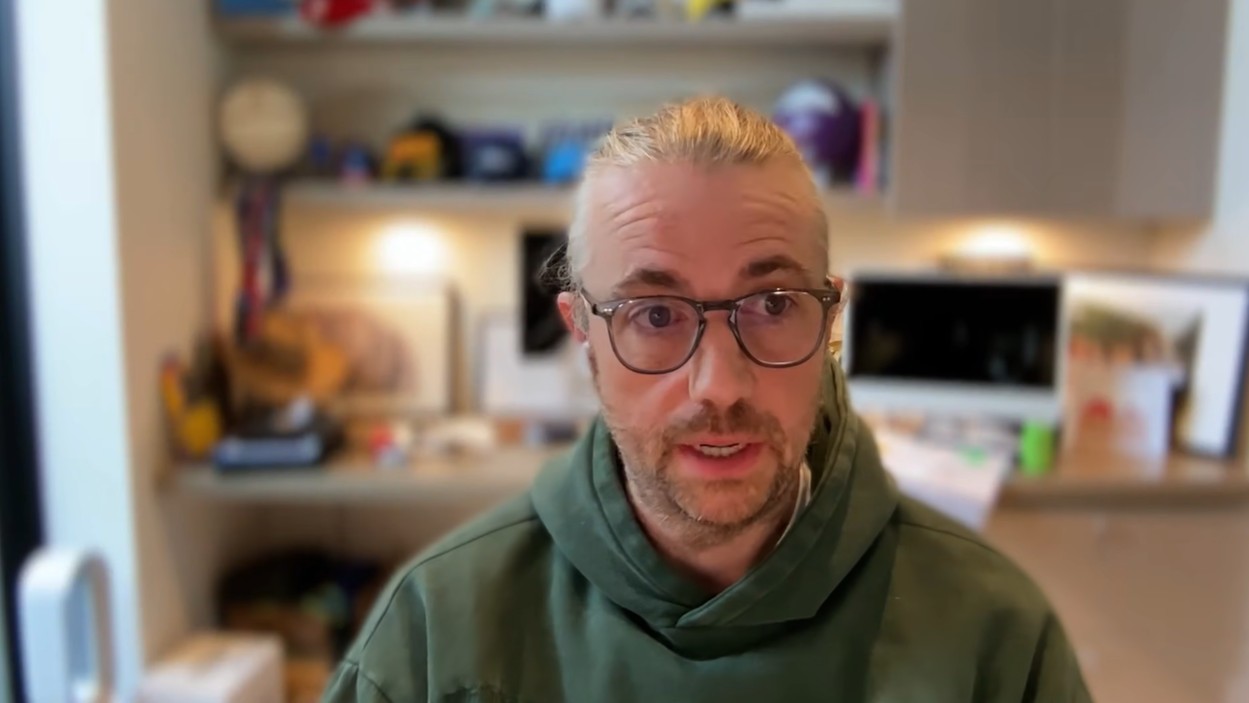
Cannon-Brookes announced Atlassian's latest job cuts in a video that was both sent to staff and published publicly.
"I really like to explain decisions to people," he told The Verge.
"At Atlassian we have a value: We’re an open company, no bullshit.
"I tell people all the time that does not mean transparency.
"We don’t owe you, as an employee, all of the details behind every decision.
"All the sausage making is not useful – it's overwhelming to people, it doesn’t help us move fast.
"We do owe employees clarity on why we are making a decision and an explanation of said decision."