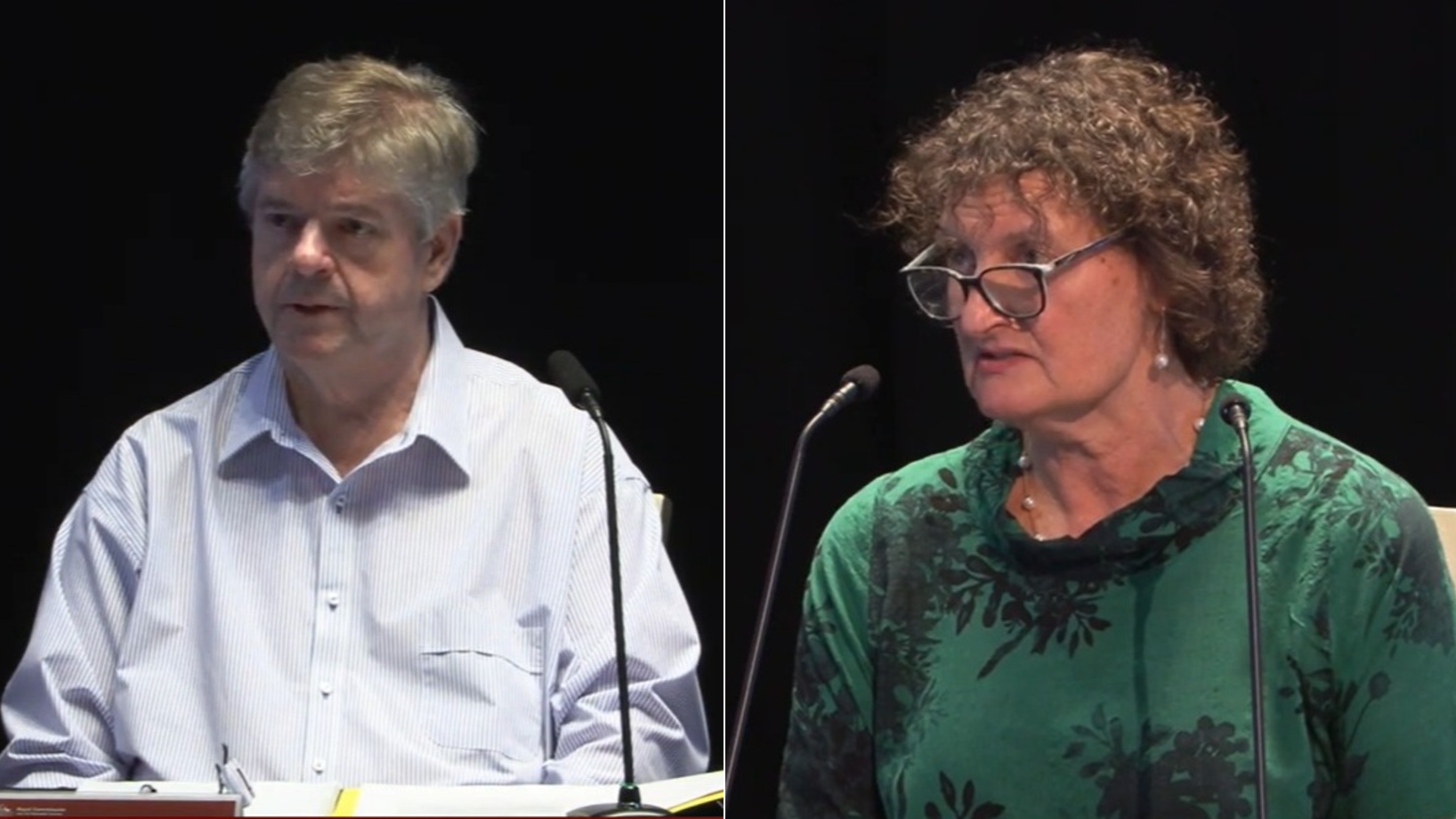

Two public servants engaged in “serious corrupt conduct” during implementation of the disastrous Robodebt system as early as 2015, a National Anti-Corruption Commission (NACC) investigation has found, that also cleared four others.
The 445-page report sums up the work of Operation Myrtleford, an investigation of the actions of six people referred for investigation in 2023’s final report of the Royal Commission into the Robodebt Scheme’s review of the online compliance intervention (OCI) system.
It found that one of the subjects – Mark Withnell, general manager of business integrity at the Department of Human Services (DHS) from 2008 to 2017 – “intentionally [misled]” Department of Social Services (DSS) officials while preparing a Cabinet submission in 2015.
Despite knowing of 2014 DSS advice that law changes would be needed to enable income averaging – Robodebt’s technique for assessing benefits, later declared illegal – the report notes that Withnell “misrepresented” to DSS that a revised version did not rely on averaging.
Under the new policy, Withnell said, averaging was a ‘last resort’ measure “of the kind that DHS had used for decades” and would therefore not require any legal changes because benefits assessments would be primarily conducted manually.
This, despite expectations that the OCI system would trigger 867,000 ‘interventions’ over three years and Withnell’s knowledge that DHS only had resources for fewer than 30,000 manual investigations per year.
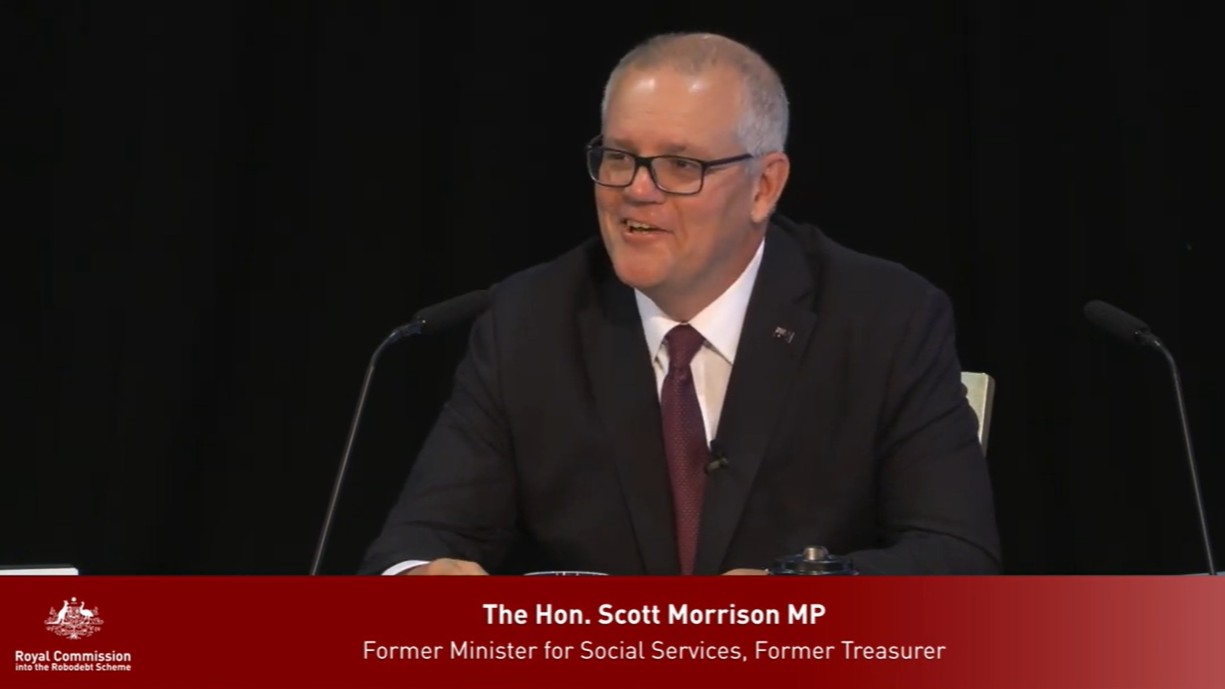
Former minister for Social Services Scott Morrison was cleared of any wrongdoing. Photo: Robodebt Royal Commission
Withnell knew, the report found, that “to exclude automatic, default averaging in favour of manual investigation followed by averaging only as a ‘last resort’ would render OCI physically and economically untenable.”
Key to his corrupt conduct, the report found, were DHS’s “profound ignorance of social security law and legislation”; the failure to include DHS Legal Services in OCI’s development; and a “rushed and unrealistic timetable” for developing the OCI program in the first place.
Claims the Robodebt legal assessment was old news
Former DSS deputy secretary Serena Wilson was also found to have engaged in “serious corrupt conduct” after intentionally misleading the Commonwealth Ombudsman as the Robodebt system was being investigated in 2017.
Wilson attempted to conceal ‘critical information’ from the Ombudsman when she failed to mention that the use of income averaging “might not be consistent with social security legislation”, the report found.
She failed to provide the 2014 DSS legal advice, or the instructions for it, to the Ombudsman when requested – triggering “one of the enduring mysteries of this investigation” as emails and witness testimony suggested she had orchestrated the concealment of the report.
In dismissing the report, Wilson also gave the Ombudsman “misleading” guidance that the 2014 advice “was premised on a proposal that was different to the Robodebt Scheme that was later implemented”.
This was patently untrue, but Wilson also “[attempted] to deceive the Ombudsman” by telling it the income averaging methodology had changed so much that DSS “had abandoned its former position that legislative change was required to implement the Scheme.”
Her conduct, the report concluded, “amounted to dishonest performance of her official functions or duties as a public official,” the report found in finding her guilty of “serious corrupt conduct” under s8(1)(a) and/or 8(1)(b) of the NACC Act.
The end of the Robodebt road
As a “failure of government” the “crude and cruel” Robodebt saga financially ruined hundreds of thousands of people; led to a reckoning for public service governance; saw 16 people referred to the Australian Public Service Commission; and cost hundreds of millions in settlements.
A year after the corruption referral, the NACC’s Myrtleford team – having evaluated “a large volume of material” including Royal Commission evidence, testimony from over 40 witnesses and extensive documentation – made no formal recommendations.
Four others who had been referred for investigation – Catherine Halbert, Annette Musolino, Kathryn Campbell and former Prime Minister Scott Morrison – were cleared of wrongdoing as the report’s publication marks the end of the government review of Robodebt.
“Publishing the report provides transparency as to how these conclusions were reached,” NACC deputy commissioner Kylie Kilgour said as the report was released, noting that all the relevant evidence from the “complex investigation” has now been published.
Procedural reforms already implemented “are sufficient to prevent repetition of the kind of corrupt conduct” that Withnell and Wilson engaged in, the report found in recommending that “a competent independent legal advisor” review any similar budget measure.
“If competent independent legal advice had been sought in relation to the OCI proposal before its submission,” the report concluded, “it is very likely that the OCI program would not have been approved without necessary legislative amendment, if at all.”