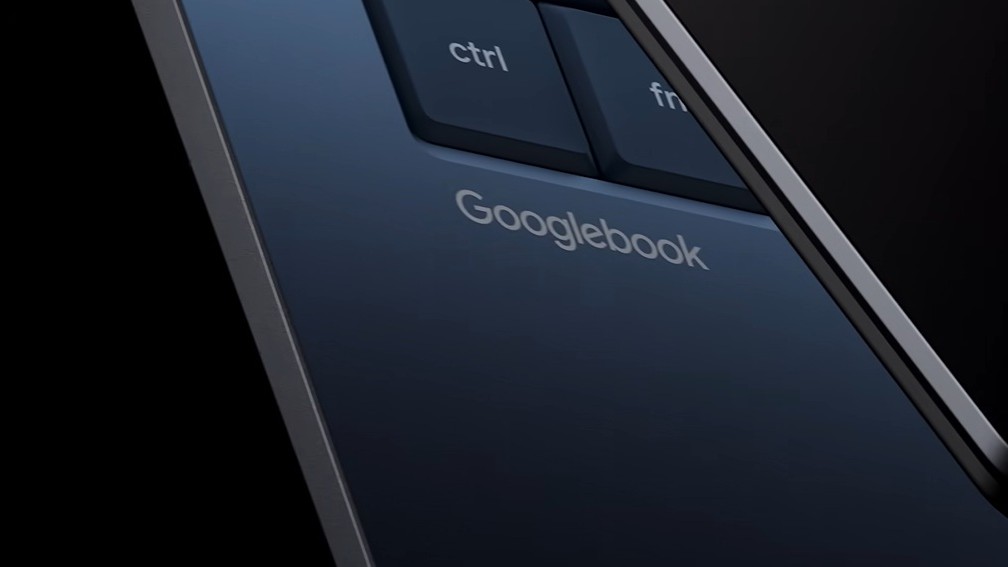

Google has unveiled a next-generation laptop “designed from the ground up” with generative artificial intelligence it says will “shape the future of laptops”.
Google senior director, laptops and tablets, Alex Kuscher gave a sneak peek of the Googlebook in a blog post this week.
The new device will be the first laptop “designed from the ground up for Gemini Intelligence”, Google’s generative AI tool, he said.
“As computing shifts from an operating system to an intelligence system, we see an opportunity to rethink laptops again,” Kuscher said in the blog post.
“We’re bringing together the best of Android, which comes with powerful apps on Google Play and a modern OS that’s designed for Intelligence, and ChromeOS, which comes with the world’s most popular browser.
“The result is Googlebook: a new category of laptops built with Gemini’s helpfulness at its core, designed to work seamlessly with the devices in your life and powered by premium hardware.”
The Googlebook is being developed by Google with Acer, ASUS, Dell, HP and Lenovo.
It will see Google moving away from the ChromeOS platform that Chromebooks are currently based on to the new Android-based operating system.
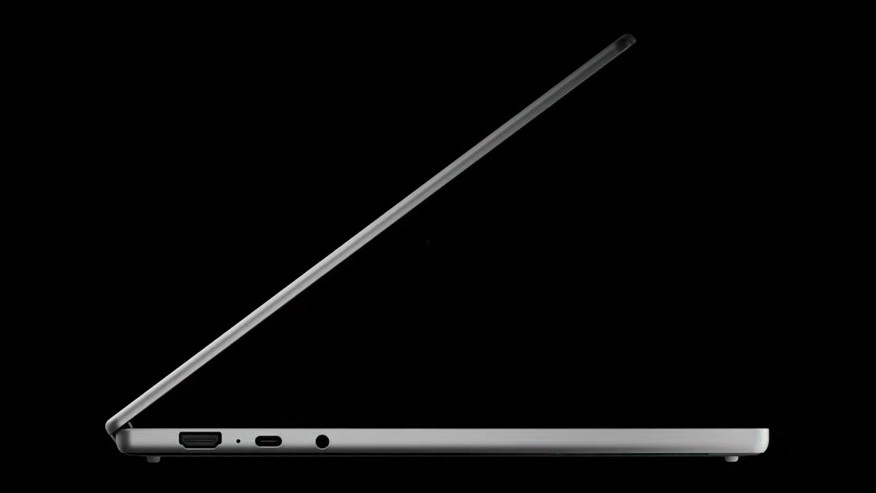
A first look at the Googlebook. Photo: Google
Google rival Microsoft has offered its AI Copilot bundled with Windows laptops since May 2024.
Googlebook is expected to be released at some point in Spring in Australia.
The price of the new laptop has not been revealed yet.
AI at your fingertips
The laptop will have generative AI tools fully integrated in everything from the cursor to the calendar, and will also allow users to access their Android smartphone’s apps without leaving the device.
Google’s DeepMind team developed a new cursor dubbed the Magic Pointer for the Googlebook, which will bring generative AI “right to your fingertips”.
This will allow users to move the cursor over something and activate Gemini, which will offer “quick, contextual suggestions”.
For example, Kuscher said, a user will be able to hold the cursor over a date in email to schedule a meeting for that time, or to select two images and instantly have them placed together.
“It lets you go from idea to I’m done in just a few clicks,” Kuscher said.
It will also integrate a custom widgets service to create a personalised dashboard, and will be built on the Android tech stack.

The Googlebook AI will give users new features. Photo: Google
The Googlebook will be able to connect with a user’s Google accounts and the apps on their Android phones, meaning they can remotely access these apps on the laptop.
The blog post used the example of someone being on the laptop and then realising they hadn’t done their daily Duolingo lesson yet.
With the new Googlebook, they’ll be able to access that app directly on the laptop instead of switching to their phone.
“No downloading, no awkward emulated touch-screen controls; it just works,” the blog post said.
Google first released the Chromebook laptop in 2011, and has an estimated 10 per cent share of the laptop market.
The affordable laptops are popular in schools and workplaces.
An updated AI
Google also this week announced that a new Gemini Intelligence system will be coming to Android devices.
Google VP of product management Mindy Brooks said the AI tool will help users automate tedious tasks to allow better focus and will include multi-step automation capabilities for things like food and rideshare apps.
Brooks said this will allow users to utilise AI to automatically get a front-row bike in a spin class or find a class syllabus in Gmail and add all books needed in your cart.
“Gemini handles the logistics while you stay in the moment,” Brooks said in a blog post.
The new AI system will be rolled out in waves to new Samsung Galaxy and Google Pixel devices this winter, and will later be made available on Android watches, cars, glasses and laptops.
It will also include a transcribing feature “designed for the way people speak”, which will identify the important parts in a voice message and then edit it into a “concise message”.
From June this year a new AI 'Gemini in Chrome' browsing assistant will roll out on Android, which will be able to research, summarise and compare content across the internet.
Gemini AI was debuted by Google in late 2023, with a conversational chatbot version unveiled a year later.