
Fears that phone incompatibilities with Triple Zero services could cost lives have been realised in the worst way, with the death of a Sydney customer of Lebara blamed on their inability to contact emergency services because their Samsung mobile hadn’t been updated.
As the customer’s phone couldn’t connect to Triple Zero, they eventually used an “alternate phone connection” and were put through to NSW Ambulance – but could not be saved despite a rapid response by emergency services.
The failure to reach emergency services was attributed to the fact the customer’s Samsung phone was running an old software version that could not properly connect to Triple Zero – one of numerous models recently identified as having such problems in a recent audit by Telstra.
Such phones were designed to fall back to 3G networks when 4G services are unavailable, but since the disconnection of Australia’s 3G networks last year, they cannot connect to Triple Zero; some can be fixed with software updates, but others must be replaced.
The network of TPG Telecom – which owns prepaid mobile SIM provider Lebara – “was operational and no outages were occurring,” the company said in a statement as news spread of what managing director and CEO Inaki Berroeta called a “tragic incident.”
TPG had warned customers with non-compliant phones as recently as 7 November, he added, that their phones would be disconnected within 28 to 35 days if they weren’t updated or replaced.
That requirement was imposed by ACMA last year to avoid exactly this situation, yet the incident in question happened just 10 days later – several weeks before their phone would have been disconnected per that regulatory requirement.
“Access to emergency services is critical,” Berroeta said, and “we urge all customers with outdated software to replace or update their devices without delay to ensure they can reach Triple Zero in an emergency.”
Playing the blame game
The death comes just weeks after a major Optus outage in September was linked to multiple deaths, and another in November 2023 prevented thousands of people from reaching Triple Zero – with Telstra also fined where Triple Zero access had been compromised.
The government has worked to tighten regulations around Triple Zero access in the wake of those outages, with new rules introduced including fines of $30 million and the creation of a Triple Zero custodian who will be tasked with developing and policing Triple Zero access.
That custodian, telecommunications analyst Paul Budde noted, “is a meaningful step in the right direction [that] creates a clear line of authority, allows for deeper technical scrutiny and recognises that telecommunications infrastructure is too essential to be left solely to commercial interests.”
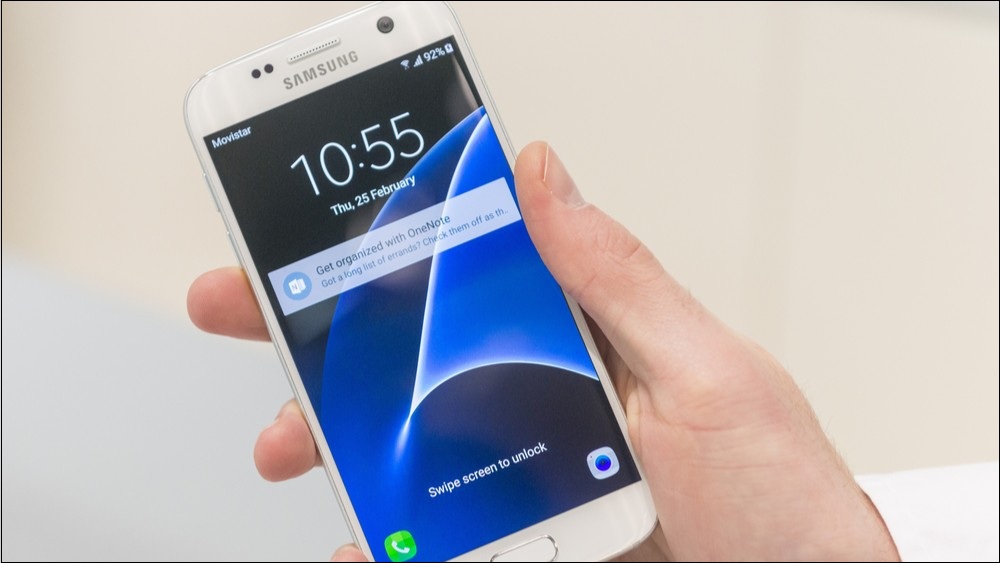
A number of older Samsung handsets are unable to connect to Triple Zero services. Photo: Shutterstock
Yet the Optus outage “revealed a deeper structural weakness in Australia’s digital infrastructure,” he added, calling for a national plan for digital infrastructure that would address network redundancy, resilience, emergency interoperability, and investment plans.
Industry observers wasted no time going on the attack after the latest incident, with a “furious” Shadow Communications Minister Melissa McIntosh telling Sunrise that she had been “trying to put pressure on the government to pull every lever they have.”
Older Australians, in particular, may not know how to update their phones and many people “just can’t afford a new handset,” McIntosh said, urging telcos to “step up and provide [compliant] handsets” to the tens of thousands of customers unaware of the problem.
Telecommunications industry body ACCAN was “deeply saddened” by the incident, with CEO Carol Bennett noting that “public safety is at risk despite clear obligations on telcos to identify affected devices, notify customer and block unsafe handsets.”
“If these obligations were not met, Australians deserve answers,” she said, adding that “confidence in the ACMA’s oversight has been shaken” – just days after ACCAN research found consumers are increasingly distrustful of their telecommunications providers.
Getting ahead of the Samsung problem
The issues causing failed connections are well known in the tech industry – with Samsung offering a list of specific models of its Galaxy phones that suffer Triple Zero connection problems – but getting consumers to act remains a challenge for government and industry.
Telcos have been contacting affected customers with threats of disconnection per the ACMA regulations – but rather than simply updating their phones, telcos report customers inundating Triple Zero with up to a thousand extra test calls in a day.
Members of industry body the Australian Telecommunications Alliance (ATA) have reported a “significant uptick in people calling Triple Zero to test if their device works,” CEO Luke Coleman recently told ABC Radio Drive while urging people to update their phones instead.
Test calls can be deceptive because “the devices we’re talking about may only be unable to reach Triple Zero in certain circumstances,” Coleman said, warning that tests “could create a false sense of security by thinking their phones will connect fine in all cases.”
Phone providers are across the issue and can provide guidance for concerned or affected individuals, he added.
Google Pixel phones were recently noted to be suffering similar issues in the US, while Google notes potential interconnection issues with emergency services and Microsoft Teams phones have suffered emergency services connection issues due to automatic timeouts.
The results are only the latest blow for an industry that has struggled with data breaches, performance issues, and surging complaints despite a recent ATA analysis that found telcos have added 250 new mobile towers over the past year as they seek to improve coverage.
That analysis noted Australia’s mobile networks are ranked 8th in the world for network excellence and second in the world outside of Europe, after only South Korea.