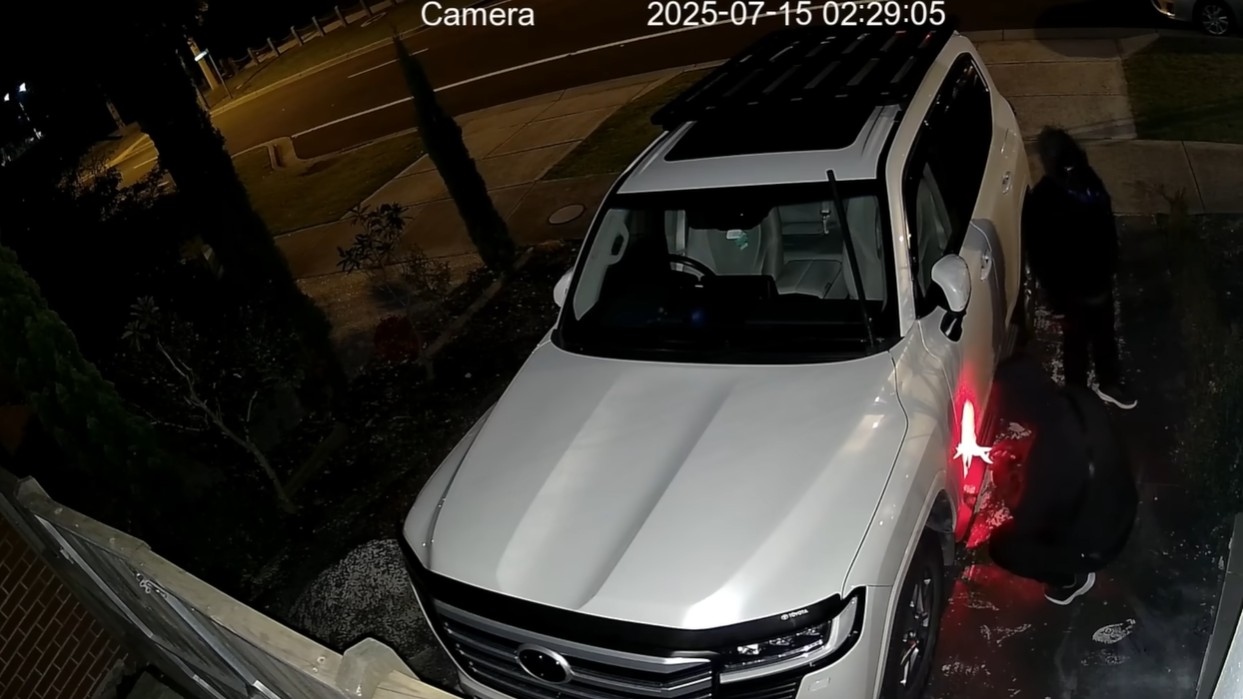

Toyota has promised new security accessories after seven men were charged with stealing 60 Toyota vehicles from the Brisbane region using a high-tech security exploit, and allegedly shipping some of the cars overseas for profit.
The men, aged between 28 and 45, were allegedly linked to an international crime syndicate and had flown into Brisbane in October before stealing dozens of Toyota models such as LandCruisers and LandCruiser Prados over a period of six weeks, the Queensland Police Service said on Wednesday.
The syndicate hid some of the vehicles in shipping containers — often tucked behind “a facade of disassembled vehicle parts” — and sent them to the United Arab Emirates (UAE), police said.
Such vehicles can cost between $80,000 and $160,000 in Australia, and are popular in the UAE and some other Gulf nations.
Officers said they disrupted the syndicate in December following assistance from Australian Federal Police, Australian Border Force, and Victorian Police.
Fifteen of the most recently stolen vehicles had been recovered from a Brisbane wrecking yard and ports in both Brisbane and Melbourne, while the seven men have been charged with more than 300 offences, police said.
Six of the men have been remanded in custody, while all seven are expected to appear in court again later in January.
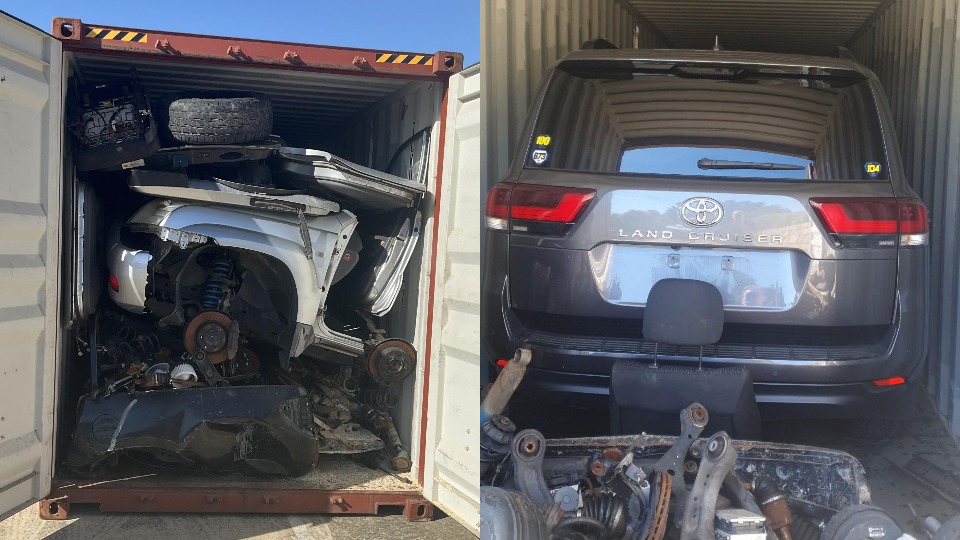
Police say some vehicles were found hidden in shipping container behind other car parts. Image: Queensland Police Service
South Brisbane District detective inspector Paul Dalton said the alleged offences were “brazen” and could “cause significant disruption to our community’s feeling of safety and ability to travel”.
“This investigation was a top priority for local detectives to prevent further harm, hold the alleged offenders to account, and provide answers for victims,” he said.
Black market devices used to bypass security
While thieves have been known to steal modern cars with push-start technology using devices which mimic the keyless fobs used to unlock such vehicles, the alleged offenders in the Brisbane Toyota thefts used a different technique, according to police.
The exploit, which authorities have previously reported in Victoria, involves using a device called a CAN bus injector, which can be bought on the black market for between $5,000 and $10,000.
After drilling into cars to access certain wires, the devices allow thieves to trick a vehicle’s Controller Area Network (CAN) — essentially its electronics and cabling — using an injection of malicious prompts, to unlock doors and disable security systems.
Security experts have shared warnings about CAN exploits for over a decade, but defence measures have differed between car manufacturers.
Toyota flags 'enhancements' and accessories ‘to combat this issue’
Toyota, which has faced criticism over an increase in thefts of some of its vehicles, said it had “implemented security enhancements” to counter the effectiveness of thieves on its latest cars, but did not share details.
“In 2025, Toyota took further steps to enhance security on several models, including the New HiLux, LandCruiser 300 and LandCruiser Prado providing owners with even greater peace of mind,” the company said in a statement on Thursday.
“In addition, Toyota is developing factory-approved genuine accessories, including an additional immobiliser, to combat this issue.
“Further updates will be announced as soon as possible.”
“In the event of vehicle theft, Toyota is developing a prioritisation system to help ensure affected customers receive replacement vehicles as quickly as possible.”
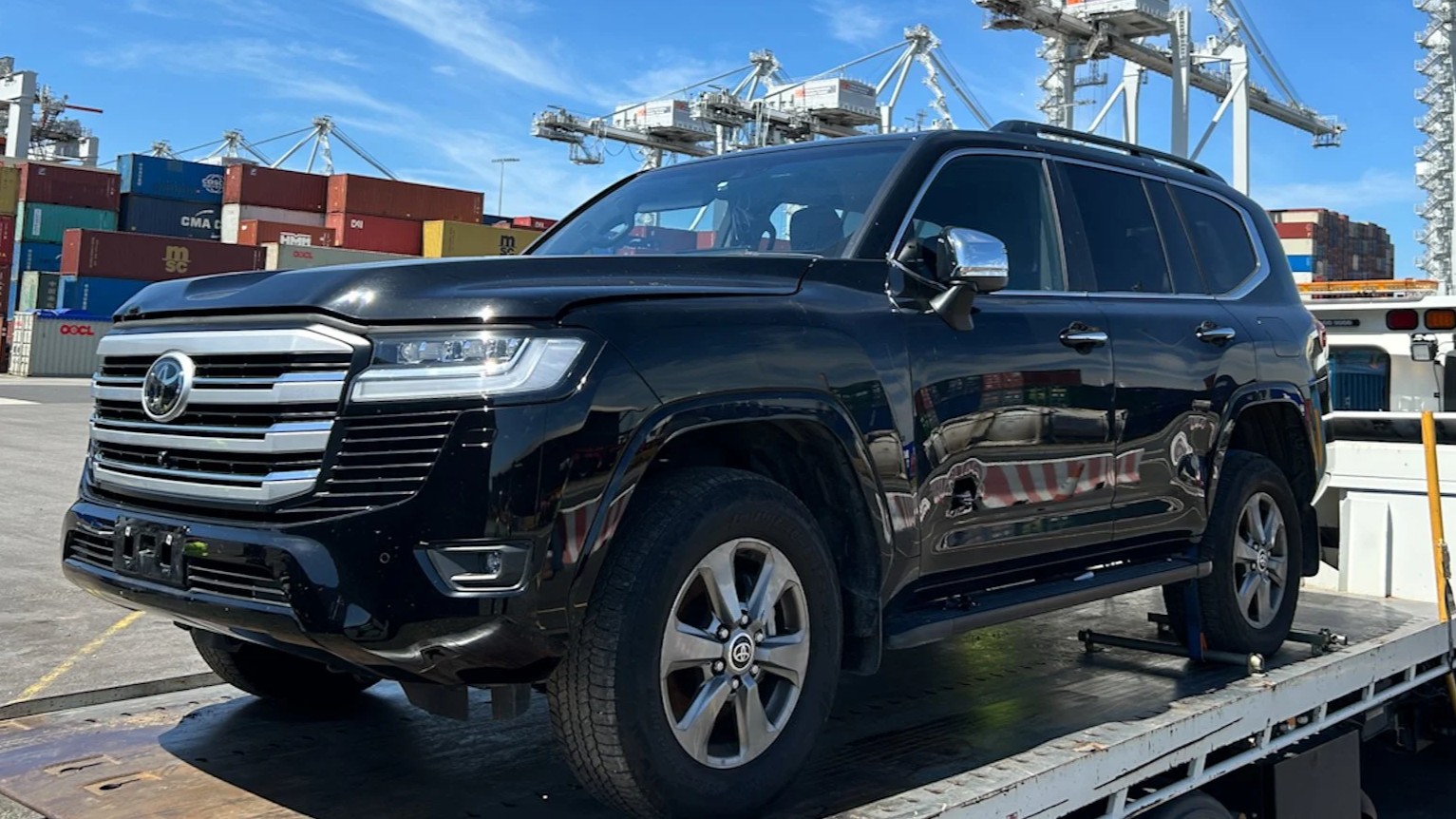
Police say large Toyota vehicles such as the LandCruiser and LandCruiser Prado were targeted by the criminal syndicate. Image: Queensland Police Service
The automotive giant previously said it was “aware of an increase in vehicle thefts using advanced and rapidly evolving technologies”.
"This is a serious issue, and we are actively working with law enforcement authorities to combat these crimes,” a spokesperson said on Wednesday.
Toyota said it would work to find solutions and was “continuously reviewing and updating” the security features in its vehicles “given the pace of technological change”.
Police have previously advised concerned car owners to keep their vehicles locked, use off-street parking when possible, install a steering wheel lock or immobiliser, hide a GPS tracking device inside the vehicle, and keep keys in a hidden location.
Toyota also faced criticism in 2024 after an investigation by consumer group Choice found new Toyota vehicles were "collecting extensive customer data” and potentially sharing it with third parties.