



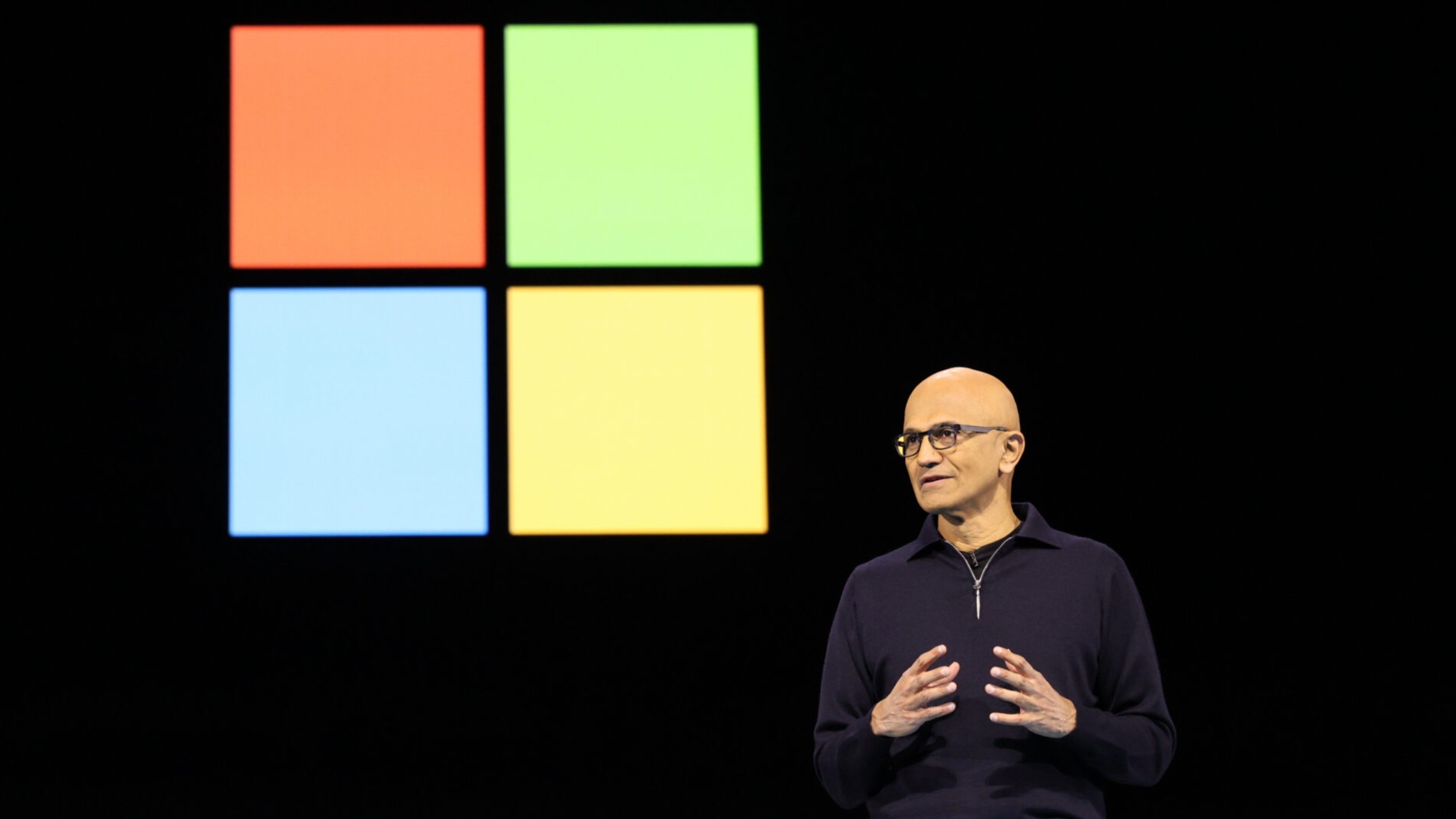

Microsoft has reportedly declared an internal "Code Red" to improve its systems after a bug left undetected for several months led to a 24-hour global Microsoft 365 outage earlier this month, affecting many Australian organisations and government agencies.
The incident, which began early on 13 November, Australian time, saw numerous Microsoft 365 services including email system Outlook, communications app Teams, artificial intelligence platform Copilot, and file service OneDrive become unavailable for most business and enterprise users.
The outage was the most customer-impacting incident in the history of Microsoft's email, contacts, and calendar system Exchange Online, M365 core president Jason Henderson told staff in a memo on Friday, according to Reuters.
"Code Red means that this is the highest priority work for our team," Henderson reportedly said.
He had previously raised concerns over Microsoft 365 patches taking too long to roll out globally, according to the report.
Three days after the outage, Microsoft confirmed the key cause was a bug which had gone undetected in its systems for at least three months, while separate issues with Teams and Microsoft's server capacity compounded the problem.
The outage led to calls for Australia to reassess its digital sovereignty, following major impacts to local businesses and government agencies, including Australian Federal Police (AFP) and the Australian Security Intelligence Organisation (ASIO).
Microsoft reportedly wants recovery in under an hour
Under its Code Red push, Microsoft has reportedly set a target of resolving future system problems within an hour, and will begin using AI agents to help engineers find the root cause of system health issues more quickly.
Microsoft corporate vice president Amanda Silver reportedly told staff on Monday that engineers worked through a "fog of war" during the Microsoft 365 outage, and sent more than 11,000 messages between each other.
But the company's fragmented internal tracking systems meant workers found it difficult to keep up with changing hypotheses and decisions during the outage, she reportedly said.
A Microsoft spokesperson told Information Age that the company's work "doesn't end" when outages are fixed.
"Our teams keep working around the clock to quickly implement any lessons learned, and our leadership makes sure this is our top priority," they said.
"Our customers and partners depend on our services, and we owe it to them to not only fix problems when they occur, but to do everything we can to keep them from happening again."

Microsoft 365 apps including Outlook, Teams, and Defender were among the many platforms impacted by the outage. Image: Shutterstock
No emails permanently lost, but 'failure zones are too large'
Microsoft this week released its final post-incident report into the Microsoft 365 outage, adding further detail after its preliminary report earlier this month charted a "cascading failure".
"The most significant impact affected Exchange Online, with most users being unable to access their mailbox through Outlook or other mail clients," the final report found.
"Additionally, email delivery was delayed for most users."
Because email systems were "severely degraded" during the outage, Microsoft extended the email delivery retry window from 24 to 48 hours.
"All queued enterprise messages have since been delivered, and we have found no enterprise messages that were permanently lost," the final report stated.
Microsoft's preliminary report found many of the company's servers became unresponsive "under certain load conditions", due to a "latent defect" introduced in July.
It also found issues with the company's server testing regime, and cited a "separate issue" in which so-called 'bulkhead' infrastructure between different regions "did not stop the cascading failure" from spreading globally.
Microsoft's final report concluded that the company's "regional failure zones are too large" and its network traffic design "can cascade failures to other regions".
It also reaffirmed that the Microsoft 365 outage was not caused by a cyberattack or by the use of AI tools.
Microsoft CEO Satya Nadella told CNBC last week that the outage was the result of a "crazy perfect storm", as the latent bug from July was found "only during a particular traffic pattern".
"Of course, we should have done the testing before, we should have figured out how to have the bulkheads such that you didn't have a global outage," he said.
"We're going to take all that, and harden it."