




Australians have been encouraged to work from home if possible to help mitigate the global fuel crisis, but the federal government has rejected issuing an official mandate.
The ongoing conflict in the Middle East has led to the single largest disruption to the global oil market in history, primarily due to ships unable to pass through the Strait of Hormuz.
About one-fifth of global oil passes through the Strait, equating to about 20 million barrels per day of crude oil and oil products.
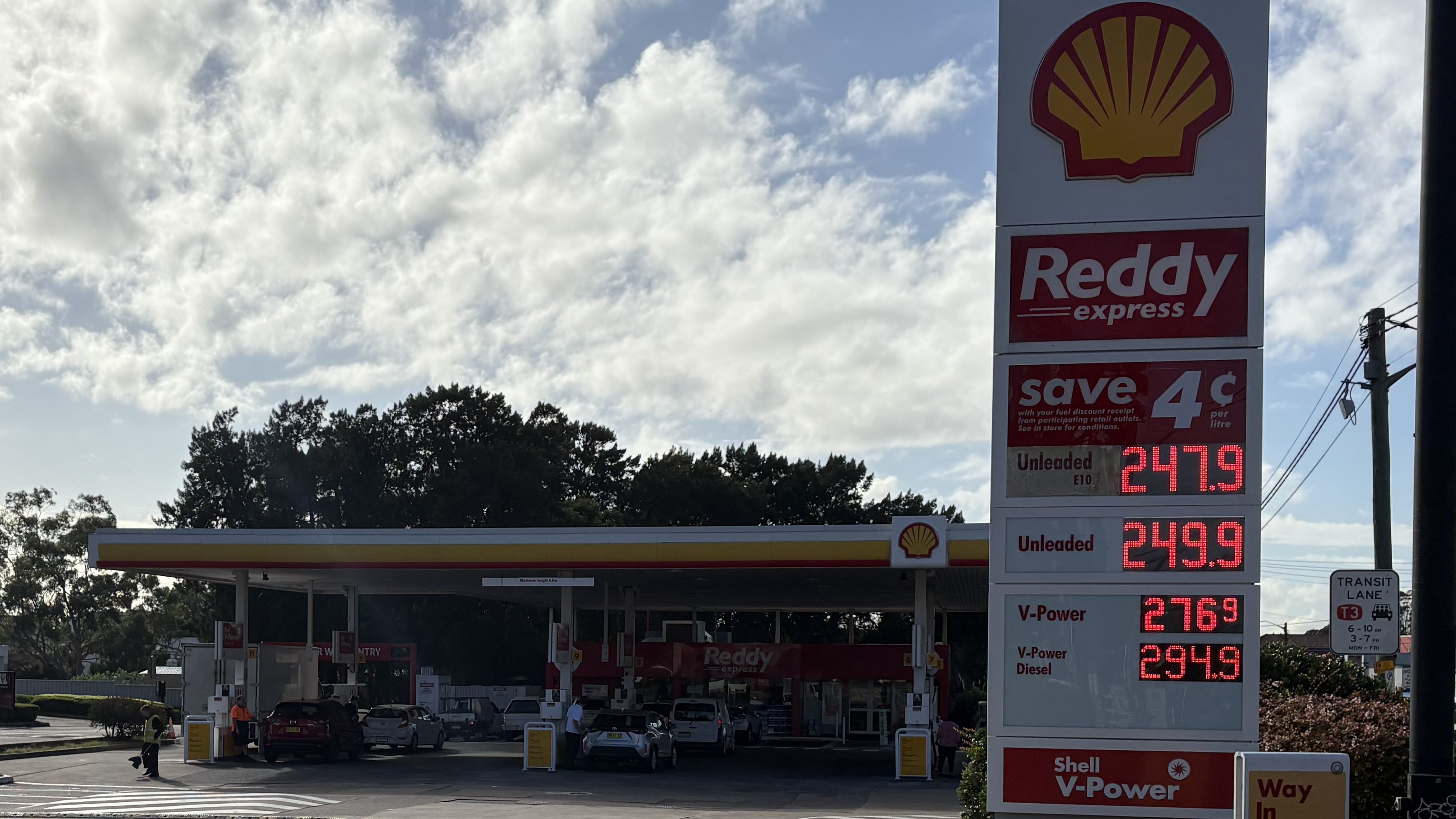
Fuel prices have skyrocketed in Australia in recent weeks, with a current average of about $2.45 per litre for unleaded petrol and $2.80 for premium 98. Diesel is approaching $3/L.
Regional areas have been harder hit due to supply chain management issues.
WFH encouraged
Over the weekend, the International Energy Agency (IEA) urged people around the world to work from home if possible, to reduce fuel demands from commuting.
IEA released a report with 10 measures that can be implemented quickly to help with the oil supply disruption.
“In the absence of a swift resolution, the impacts on energy markets and economies are set to become more and more severe,” IEA executive director Faith Birol said.
The report recommended working from home when possible, to lower fuel demands from commuting.
It said that at a national level, if workers did an additional three days from home this could cut oil consumption from cars by 2 to 6 per cent, with average potential reductions of about 20 per cent for individual drivers.
IEA said that governments could encourage this or mandate that public servants work from home where possible.
Some countries, mainly in Asia, have already moved to mandate working from home.
The Philippines and Pakistan have mandated four-day working weeks for government workers, with the latter also ordering half of office staff work from home, except for those in essential services.
Thailand has told public workers to work from home, and to use stairs to limit energy use, while Sri Lanka has closed its public offices on Wednesdays.
Encouraged but not required
The Australian government has encouraged workers to stay at home if they can, but stopped short of introducing mandates of any kind.
Prime Minister Anthony Albanese over the weekend emphasised that the IEA report was not specifically directed at Australia and said there isn’t currently a fuel supply issue locally.
“There hasn’t been less supply over the last few weeks,” Albanese said.
“There have been issues of distribution. We need to identify where there are shortages and get fuel to where it’s needed.”
Energy Minister Chris Bowen said that working from home is a “sensible thing to do in any environment”, but that this is up to individual workers and companies.
“I think people would already be looking at their options to minimise their fuel use,” Bowen told ABC Insiders on Sunday.
“At the moment, for other people, it’s a lot harder. So I don’t think a one-size-fits-all approach is necessary.”
Industry Minister Tim Ayres also said that employees and their employers need to make their own decisions when it comes to working from home.
“Work from home is a viable option for many, many people and they’ll make that call,” Ayres told ABC News.
“We’re not going further than that. But we want a flexible industrial relation system, where Australians can take advantage of these rights and continue to contribute in a productive way.”
Deputy Liberal Leader Jane Hume – who drove the Coalition’s controversial proposal to force public servants back to the office at the last election, which it later ditched following widespread backlash – also railed against the proposal.
“I would not support that in any way, and I don’t think businesses would do so either,” Hume told Sky News.
“Work from home might be terrific for people in cities, but it doesn’t help small businesses.
“It certainly doesn’t help the truckers and the fishers and the farmers and the manufacturers and the miners that are relying on fuel supply.
“Even if everybody that could work from home, whose employers wanted them to do so, it’s not going to solve the problem, which is one of supply and distribution.”
Working from home will soon be a legal right for workers in Victoria under state government reforms.
From September, those working for large companies will have a right to at least two days per week from home if they are able to work from home, with this applying to small businesses from July next year.