



Privacy advocates have long had reservations about biometric facial scanning, but some businesses still haven’t gotten the memo – with grocery chains now reneging on promises to avoid biometrics and a major EFTPOS supplier spruiking a terminal that lets you pay by scanning your face.
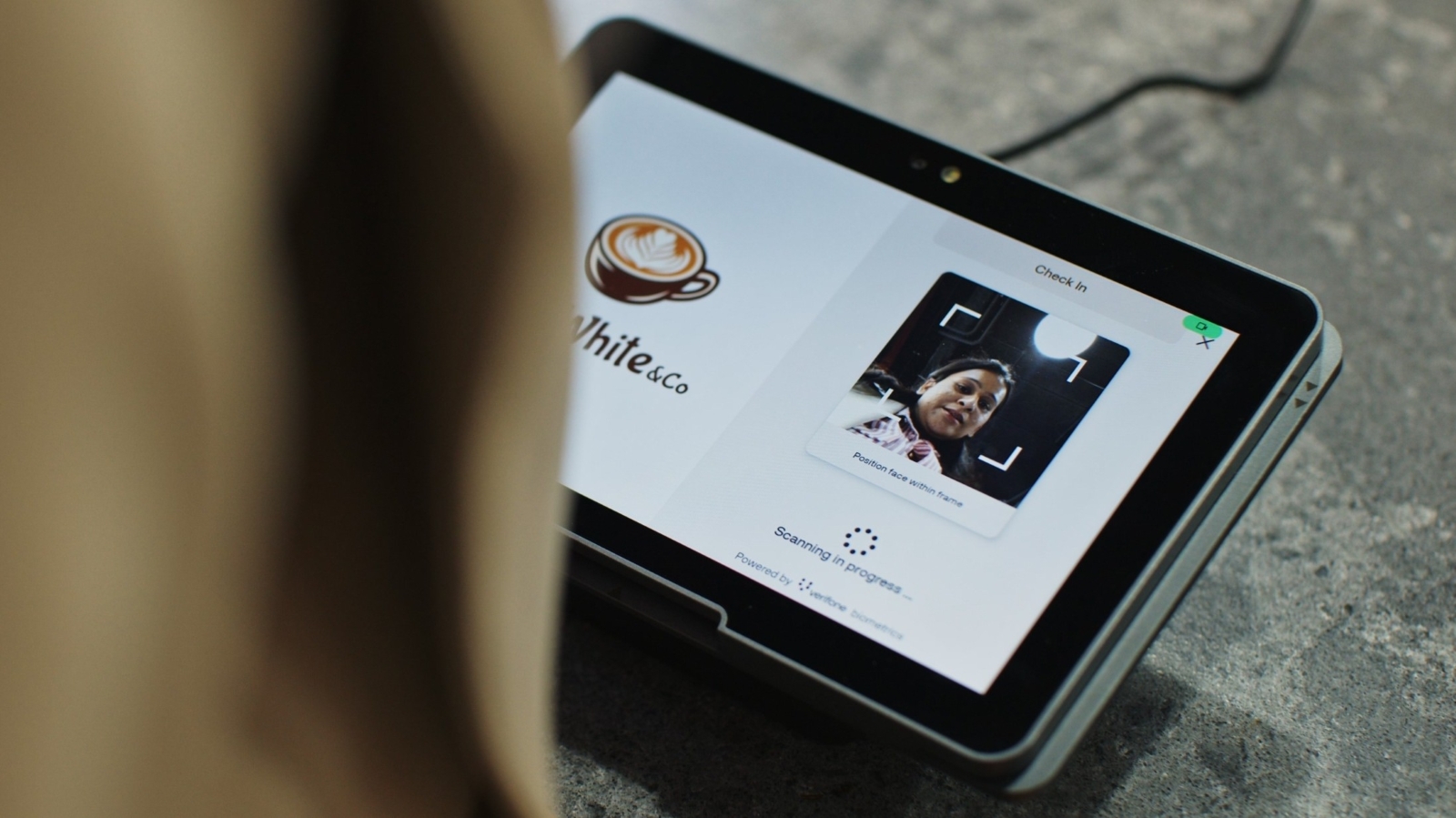
Verifone, which has over 300,000 EFTPOS terminals in everyday use, this month introduced Australian customers to its Victa model, which embraces biometric scanning alongside normal tap and pay features.
Customers enrol their biometrics once through merchants, digital wallets, banks, and other companies, with the technology creating a unique digital token that cannot be used elsewhere or reverse engineered to recreate the original face or handprint.
By looking into a camera on the device, or scanning their palms to capture the unique pattern of veins in their hands, customers verify their identity against the token data, completing financial transactions or identifying themselves as a member of the store’s loyalty program.
It’s part of a suite of products that let merchants sell with back-end integration to e-commerce platforms like Shopify, Bilt, Aevi, PayPal, and Stripe – and the ability to, as Verifone head of strategic partners Kristy Gregory put it, “pay with a smile.”
“People already use biometrics to unlock phones, access apps, and confirm payments online,” she said.
Verifone is “giving customers that same choice at the point of sale” with a tool that makes checkout “faster, easier and safer for consumers and retailers,” she added.
A hard sell for privacy-focused consumers?
Retailers may love the cachet of offering biometric capabilities for consumers, but those customers have consistently proven more wary of other technologies built around biometrics.
Biometric systems “are becoming more effective as technology advances [but] they are not a foolproof method of authentication or identification” as spoofing, false acceptance, and other issues persist, the Office of the Victorian Information Commissioner recently noted.
A recent Aevi survey of over 3,000 UK and US adults found growing familiarity with biometric payments but identified a “consistent tension” between consumers’ expectations of access to new technologies and their lack of trust in those same technologies.
Some 62 per cent of US and 58 per cent of UK consumers said they expect biometric payments to become the norm in the future – up considerably from Aevi’s 2024 survey.
Yet just 37 per cent of US and 48 per cent of UK consumers trust companies to protect their biometric data – reflecting what Aevi calls “a more sceptical and less trusting baseline”, particularly in the US and among older consumers.
“This gap matters because biometric payments rely on trust in how highly personal, and often irreversible, data is handled,” the report noted, citing concerns such as potential misuse, tracking, and fear of theft or fraud.
Your face is your password
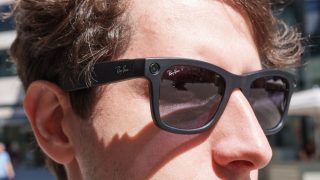
The introduction of face-scanning retail terminals comes at a fraught time for biometrics, with retailers including Bunnings and Kmart recently slammed by privacy regulators over their use of in-store surveillance video with facial recognition features.
Yet an initial judgement against Bunnings was overturned by the Administrative Review Tribunal (ART), paving the way for broader use of facial recognition in a move Privacy Commissioner Carly Kind said would drive “specific updates to existing [privacy] guidance”.
That decision has been read as a green light for retailers to adopt facial recognition technology, with revelations this month that both Coles and Woolworths have tested it in their stores – with Coles also partnering with controversial US defence contractor Palantir Technologies.
Coles told media it had held “a small, one-off, controlled proof-of-concept test of the technology” and said “no decision has been made” about broader rollouts of facial recognition – but even those tests are raising eyebrows.
Supporters of broad-based biometric scanning argue it’s essential to catch shoplifters and violent consumers, but authorities have remained sceptical even as Woolworths workers won a victory against AI surveillance in 2024.
Widespread use of facial recognition payment technology may be inevitable in Australia as retailers adopt new terminals through natural upgrade cycles, but a 2024 Queensland University of Technology study warned early adoption “overlooked drivers and barriers” of the new technology.
“For retailers there is also an unclear understanding about the evolution of consumers’ needs before trialling a new and potentially risky technology,” researchers wrote, flagging the importance of addressing consumer demand for autonomy, competence, and ‘relatedness’.
The ART’s Bunnings decision “confirms a high bar for the use of facial recognition technology in Australia,” Kind said in March, adding that “entities will need to conduct a detailed risk assessment specific to their circumstances before deploying the technology.”