


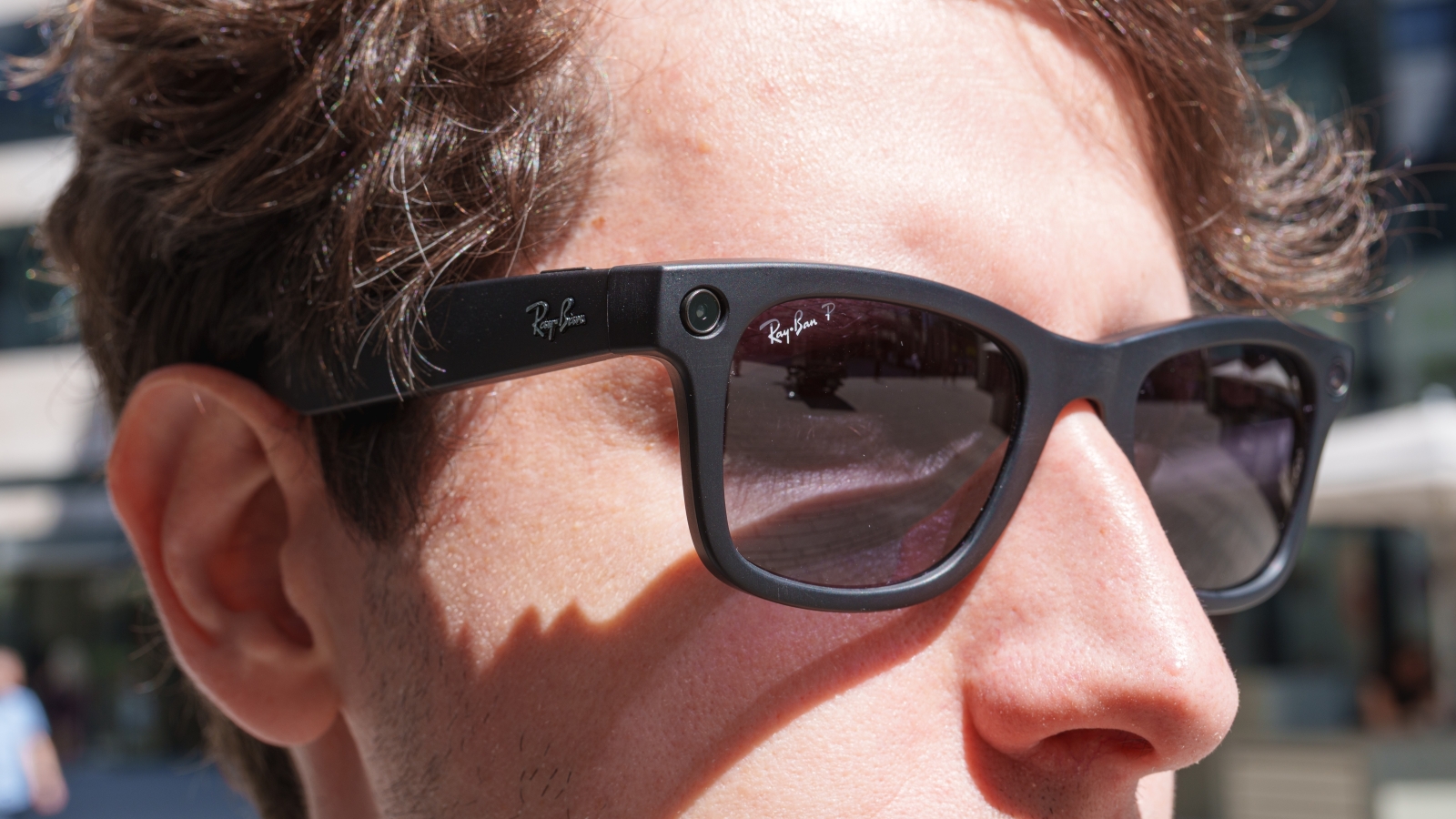

Lifeguards at Brisbane City Council’s 21 public swimming pools will soon be able to eject wearers of smart glasses if they film or photograph others without permission, joining a global reckoning as the popularity of AI smart glasses fuels privacy concerns.
Although existing laws don’t prevent the recording of people in public spaces, the council’s policy will empower lifeguards who spot wearers of smart glasses recording others without consent to remove them from the pool area.
The policy also applies to people using phones or other devices to record others.
Those sanctioned won’t face criminal charges, nor can they be forced to delete any footage they have recorded – but the new policy nonetheless represents one of the first concrete steps by a local government to push back against such devices.
“We want everyone that uses our pools to know that they’re not secretly being recorded by other users of the pool,” Brisbane Lord Mayer Adrian Schrinner said in announcing the new policy, which will come into effect within weeks.
A 2024 survey of more than 1,000 Australian adults found 17 per cent admitted to using smart glasses to film others without their consent, or to record in prohibited places.
Privacy issues coming into focus
Brisbane City Council’s move echoes the concerns of many other industry and government bodies, with the Australian Greens calling for a ban on “pervert glasses… until our privacy laws catch up”, with rules banning filming, storing, or sharing footage from such devices without consent.
Administrators in several Swiss cities are considering motions to ban smart glasses at public swimming pools, and authorities in Norway are also weighing stricter regulations.
German rights group HateAid recently filed a criminal complaint against Meta and other smart glasses vendors, alleging their lack of transparency or opt-out options violate the tough privacy protections in European Union laws.
Meta says it has sold over 7 million pairs of its Ray-Ban smart glasses since their debut in 2021.
Australian Privacy Commissioner Carly Kind recently noted that authorities are “giving serious consideration to the issues raised by surveillance wearables and monitoring their market presence to understand if scrutiny and intervention is required or warranted.”
The recent sellout of low-cost smart glasses at Kmart reflects pent-up market demand for such glasses, and pressure on regulators is set to increase as more manufacturers release their own models.
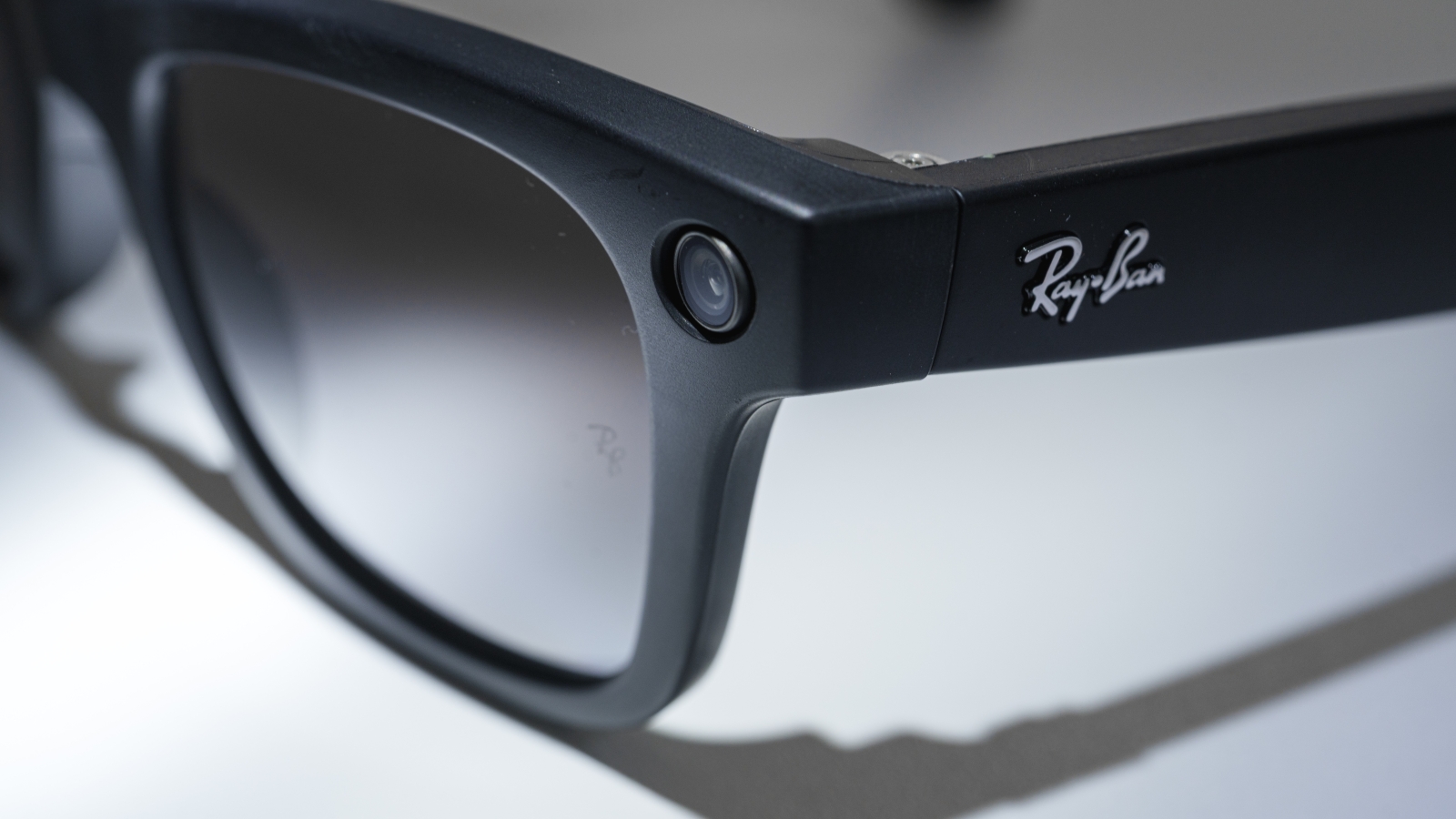
Companies including Meta, Snap, RayNeo, and Rokid have released smart glasses with built-in cameras. Image: Shutterstock
Feeding the AI monster
For all the uproar over their video recording features, smart glasses are set to play a bigger role in the consumer device ecosystem – with Meta already offering developers frameworks to build apps for its Meta Ray-Ban Display augmented reality glasses.
University students notoriously used this framework to build an app that allowed a smart glasses wearer to automatically look up the personal details of anyone they were looking at – a feature that Meta has reportedly considered embracing, including by adding face-recognition code to user’s phones.
Surveillance is becoming a fact of everyday life, with a recent University of Sydney analysis of 350 Instagram videos finding some wearers of smart glasses harassed strangers and published videos of their interactions, with 43 per cent fuelling abusive online commentary.
With reports that Meta contractors are actively reviewing footage from the cameras, it’s clear that even when it’s not published online, recorded footage is far from private – with tech giants certain to see the devices as a way of collecting new data to train their AI systems.
That data – whether of willing family members, approaches of random strangers, or children at a swimming pool – becomes fair game for reuse in all kinds of ways.
“Once an image exists, other tools can potentially analyse it, identify people, work out where they are, or connect it with information about them,” ExpressVPN chief research officer Dr Peter Membrey said.
“The scary thing about these glasses isn’t just the camera; it’s what the camera could enable in the wrong hands… The risk doesn’t necessarily end when the recording stops.
“You shouldn’t have to assume every pair of glasses in the room is filming you,” he added, “but that’s the world these devices are quietly building.”