

As artificial intelligence reshapes job markets around the world, a new study by Microsoft has left some workers worried their occupation could be one of the first to become automated by the technology.
Five Microsoft researchers analysed a 2024 dataset of 200,000 “anonymised and privacy-scrubbed conversations” which took place between users and the tech giant's Copilot AI chatbot in the United States.
They undertook this analysis to learn which occupations used AI chatbots most, how successfully they did so, and the “scope of impact” on typical work activities, they said.
The researchers used the data to ascribe an ‘AI applicability score’ to various jobs, which measured how useful AI chatbots had been for completing the tasks involved in each role.
Their recent study, which is yet to be peer-reviewed, found AI chatbots saw the highest applicability in knowledge industry roles which involved the sharing of information, such as sales, writing, translation, administration, and computer and mathematics roles.
The jobs with the least use for AI chatbots were those which largely involved manual labour, such as water treatment workers, floor sanders, roofers, housekeepers, and pile driver operators.
However, although jobs involving physical labour and expertise had much lower AI applicability scores, the researchers said “all occupational groups have at least some potential for AI impact”.
High-paying jobs and those requiring a university degree were only slightly more likely to have greater AI applicability than jobs with lower wages or requirements, they found.
The 20 occupations with the highest ‘AI applicability score’
- Interpreters and translators
- Historians
- Passenger attendants
- Sales representatives of services
- Writers and authors
- Customer service representatives
- CNC tool programmers
- Telephone operators
- Ticket agents and travel clerks
- Broadcast announcers and radio DJs
- Brokerage clerks
- Farm and home management educators
- Telemarketers
- Concierges
- Political scientists
- News analysts, reporters, journalists
- Mathematicians
- Technical writers
- Proofreaders and copy markers
- Hosts and hostesses
AI still cannot ‘fully perform any single occupation’
While many have seen the study as a guide to which jobs may be the most and least likely to be replaced by AI, senior Microsoft researcher Kiran Tomlinson said on X that the data “does not tell us how [AI's] potential usefulness will play out in practice”.
The study’s AI applicability scores highlighted “where AI might change how work is done, not take away or replace jobs”, Tomlinson told The Register.
“Our research shows that AI supports many tasks, particularly those involving research, writing, and communication, but does not indicate it can fully perform any single occupation,” he said.
“As AI adoption accelerates, it's important that we continue to study and better understand its societal and economic impact."
What’s more, the researchers noted their data showed that Copilot “can help users with a broader fraction of their work than it can perform directly”.
A key limitation of the study, the researchers said, was it only analysed data from one popular large language model (LLM).
It also did not examine other burgeoning AI technologies such as AI-based robots and autonomous vehicles.
The 20 occupations with the lowest ‘AI applicability score’
- Dredge operators
- Bridge and lock tenders
- Water treatment plant and system op.
- Foundry mold and coremakers
- Rail-track laying and maintenance equip. op.
- Pile driver operators
- Floor sanders and finishers
- Orderlies
- Motorboat operators
- Logging equipment operators
- Paving, surfacing, and tamping equipment op.
- Maids and housekeeping cleaners
- Roustabouts, oil and gas
- Roofers
- Gas compressor and gas pumping station op.
- Helpers–roofers
- Tyre builders
- Surgical assistants
- Massage therapists
- Ophthalmic medical technicians
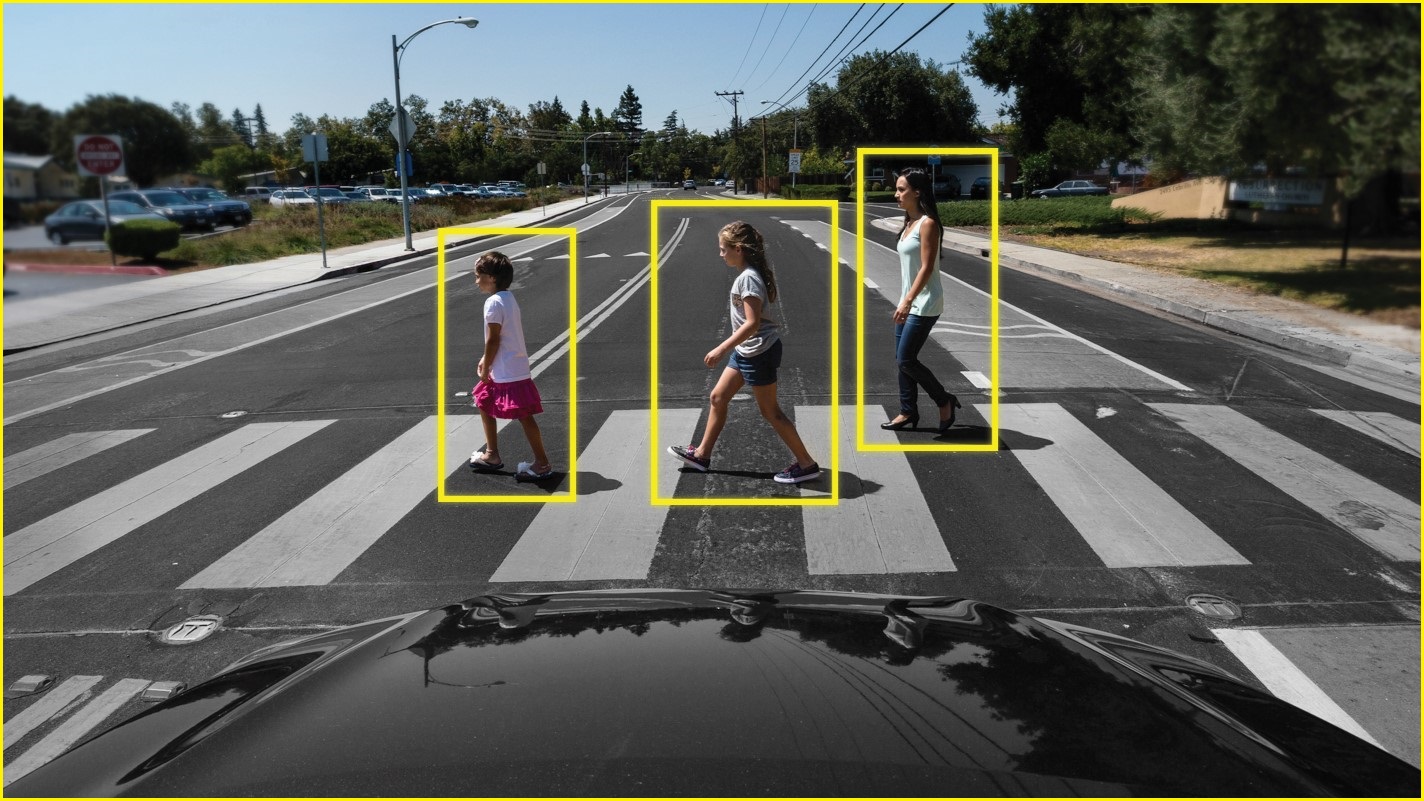
The Microsoft study did not analyse other AI technologies such as robots and autonomous vehicles. Image: Nvidia
AI changing the future of work
Advances in generative AI had the potential to “impact a wide range of tasks”, said the Microsoft researchers, who argued understanding the technology’s impact was “one of society’s most important questions”.
“We measured how AI capabilities overlap with work activities, but it remains to be seen how different occupations refactor their work responsibilities in response to AI’s rapid progress,” they said.
The researchers argued improvements in AI could lead companies to fully automate or replace some roles with AI, or simply augment them with AI which helped human workers.
“If AI makes software developers 50 per cent more productive, companies could raise their ambitions and hire more developers as they are now getting more output per developer, or hire fewer developers because they can get the same amount done with fewer of them,” they wrote.
Several large technology companies — including Microsoft — have already publicly flagged AI will help them reduce costs or headcount.
Amazon said it would “need fewer people” in some corporate roles in the next few years due to “efficiency gains from using AI”, while language education app Duolingo said it would only hire new people if their work could not be automated by AI.
In Australia, the Commonwealth Bank is replacing 90 customer support staff with an AI chatbot, while telecommunications giant Telstra said AI would help shrink its workforce and graphic design platform Canva laid off technical writers amid increasing efforts to adopt AI.