
A Chinese woman has been handed a near 12-year prison sentence in the UK for her role in a Bitcoin laundering scheme that impacted more than 128,000 victims.
In September, 47-year-old Zhimin Qian pleaded guilty to two money laundering charges for her role in a China-based investment fraud that siphoned approximately $9.26 billion (£4.6 billion) between 2014 and 2017.
Seven years after the Metropolitan Police (the Met) seized roughly the same amount in Bitcoin from Qian, the self-proclaimed “crypto entrepreneur” admitted to London's Southwark Crown Court that she had laundered the proceeds of her fraud into cryptocurrency.
Court documents revealed although a “significant proportion” of this was returned to investors, Qian and her co-conspirators siphoned off and used a “sizable amount” of the stolen funds – including some $20.44 million (95 million yuan) on jewellery.
Qian reportedly wept in court as Judge Sally-Ann Hales handed her a prison sentence of 11 years and eight months for offences she deemed “so serious” that only a “lengthy” and “immediate” custodial sentence was appropriate.
“You were the architect of this offending from its inception to its conclusion,” Hales told Qian.
“The scale of your money laundering is unprecedented. Your motive was one of pure greed.”
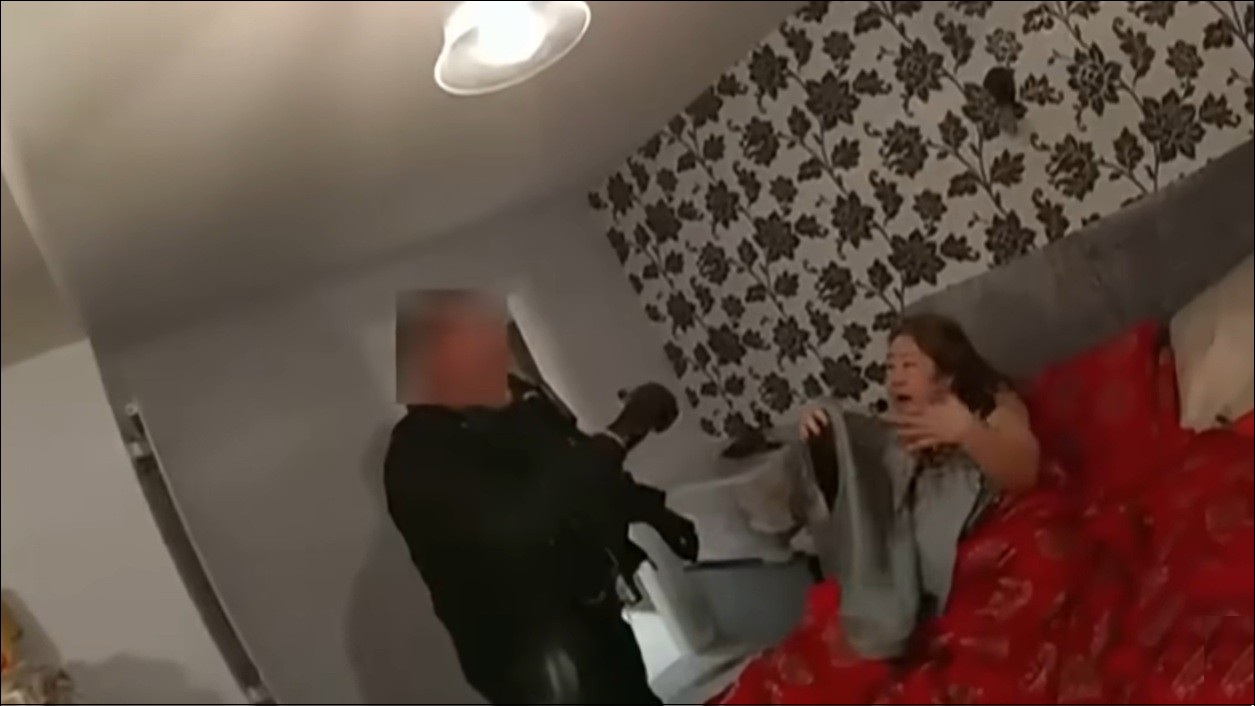
The judge also noted that on 22 April 2024, Qian was arrested after police kicked down a bedroom door at a homestay in York, UK, where she not only held cryptocurrency wallets, false passports and a “large quantity of cash”, but also had four individuals living with her.
“[These were] all foreign nationals brought to the UK to work illegally for you, catering for your everyday needs and contractually bound in terms intended to keep your identity and whereabouts hidden,” said Hales.
On Wednesday, UK security minister Dan Jarvis thanked the Met and Crown Prosecution Service (CPS) for ensuring “justice was served”.
“Money laundering isn’t just against the law; it puts real people at risk and lines the pockets of criminals,” said Jarvis.
“This tough prison sentence should make anyone thinking of getting involved in these crimes think twice.”
Seven years in the making
Qian’s prison sentence followed a seven-year investigation which the Met’s head of Economic and Cybercrime Command Will Lyne described as “one of the largest and most complex economic crime investigations” the Met had ever undertaken.
“Organised crime groups are using cryptocurrency to move, hide, and invest the profits of serious crime – but every crypto transaction leaves a trace,” said Lyne.
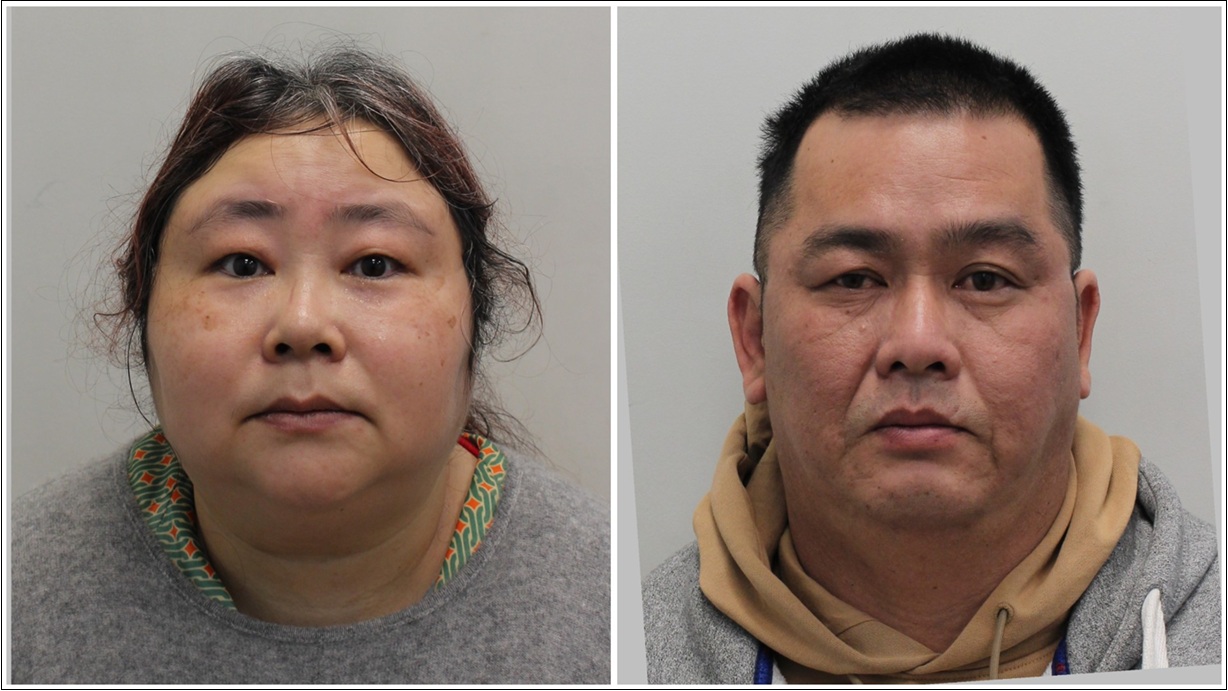
Zhimin Qian [L] pleaded guilty to possession of criminal property and transferring criminal property. Seng Hok Ling [R] pleaded guilty to entering into a money laundering arrangement. Source: Metropolitan Police
Qian’s unwitting investors had come to know her as “the goddess of wealth” before she suddenly fled from China to the UK in mid-2017.
Hales recounted that in the following months, Qian “spent lavishly and travelled extensively” with the frequent company of Jian Wen – a 43-year-old woman Qian allegedly employed as a ‘butler’, and who was later jailed in 2024 for her role in the criminal operation.
The Met said it “worked tirelessly” to build a case of evidence against Qian after it received intelligence in 2018 about the attempted realisation of criminal assets in London.
Part of this evidence was acquired during the raid of a mansion in Hampstead, London, where authorities seized devices which held fully 61,000 bitcoins – an acquisition the Met said was the “largest confirmed crypto seizure in the world”.
“Today’s sentence would not have been possible without working closely with our partners from the CPS, National Crime Agency and Chinese law enforcement,” said Lyne.
“Our message is clear – criminal assets are not safe in the UK.”
Qian jailed alongside criminal recruits
Further to Qian and Wen’s sentences, 46-year-old Malaysian national Seng Hok Ling received a prison sentence of four years and 11 months.
Ling was arrested by authorities in April 2024 after serving as a trusted aide for the crypto ‘goddess’ since at least August 2020.
Though he initially denied knowing or suspecting he had dealt with proceeds of crime by handling Qian’s illicit Bitcoin, Ling later pleaded guilty to entering into a money laundering arrangement.
Hales told Ling if not for his guilty plea, he would have received an additional seven months in prison.
“I have no doubt that you were well rewarded for your loyalty and that you considered it to be in your own interests to assist Ms Qian in evading capture,” said Hales.
Over 80 people in China received convictions related to the fraud, according to the ABC, while Hales observed the amount now recovered from Qian is “more than enough to repay investors.”
“This does not detract from the very real harm many victims suffered that went way beyond financial loss,” Hales said.