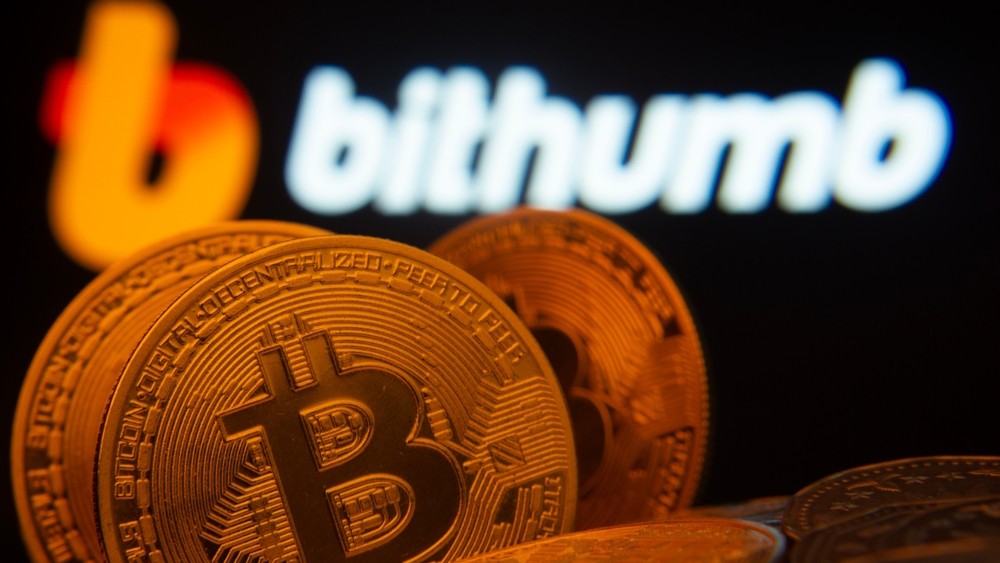

A large cryptocurrency exchange has blamed human error and poor internal systems for an error that led to $58 billion in Bitcoin being sent to its users instead of $600.
South Korean cryptocurrency exchange Bithumb held a promotional event where it planned to give away 620,000 won ($600) to 695 users.
But due to human error, the platform actually gave away 620,000 bitcoins instead, worth $58 billion.
While the company had planned to give its users about $1 each, it instead accidentally briefly made them multi-millionaires.
The mistake had major ramifications, with the price of Bitcoin dropping by 17 per cent in the aftermath of the huge snafu.
‘Deeply regretful’
In a statement, Bithumb said that it had detected the error within 35 minutes and restricted the users’ accounts who had been mistakenly giving the Bitcoin, preventing them from trading and withdrawal.
But this was too late for 1,786 bitcoins which had already been sold, worth $168 million.
The company has since said it has recovered 99.7 per cent of the bitcoins, with about 126 yet to be found, amounting to nearly $12 million.
The company has said that all users who were mistakenly sent bitcoins must legally return them and is holding “one-on-one persuasion” talks with these customers.
“We want to make it clear that this matter has nothing to do with external hacking or security breaches, and there is no problem with system security or customer asset management,” a Bithumb statement said.
Bithumb CEO Lee Jae-Won fronted a South Korean Parliament committee hearing this week into the incident and placed the blame on poor internal systems.
These faulty processes allowed Bithumb to transfer 620,000 bitcoins when the platform held just 42,000.
The fact it was able to transfer 15 times more than it held was mainly because of a 24-hour delay in processing transactions, with the platform’s systems not keeping pace with the real-time nature of cryptocurrency, the CEO said.
“We are acutely aware of the deficiency in internal system control, especially regarding how we were able to raise the number of coins in our ledger system,” Lee told the hearing.
“We are also deeply regretful about our failure to detect and react to the anomaly swiftly.”
This was due to another failure, he said, with the internal systems not detecting that the platform didn’t actually hold enough Bitcoin to make the payments, and the amount not earmarked in separate accounts to ensure their safety.
The company has now pledged to improve its verification systems and use AI to identify abnormal transactions.
“We have been aiming to set an internal control system that is on par with financial companies,” Lee said.
“We promise to establish internal control, regulation and supervision up to the standards of financial services.”
South Korea’s Financial Supervisory Service governor Lee Chan-jin said the incident was “catastrophic” for users who had already sold the Bitcoin they received, and that it exposed “structural problems” in how exchanges operate internal ledger systems.
Crypto controversies
It’s not the first time a cryptocurrency platform has been embroiled in controversy, with billions of dollars at stake.
Early last year crypto exchange Bybit had to scramble to recover about $2.4 billion in digital assets that were stolen by suspected North Korean cybercriminals in what was dubbed the “biggest cryptocurrency heist ever recorded”.
Cryptocurrency exchange Kraken was fined $8 million in Australia in late 2024 after ASIC claimed it had issued a credit facility to more than 1,100 customers without checking their suitability for this.
And late last year, a Chinese woman received a near 12-year sentence in the United Kingdom for her role in a Bitcoin laundering scheme that impacted more than 128,000 victims between 2014 and 2017.