



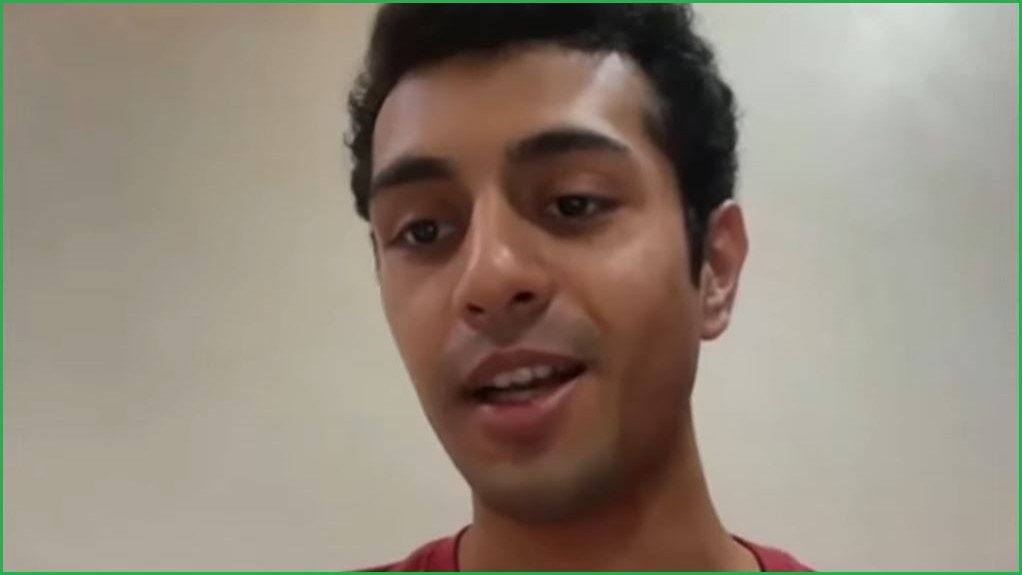

A software engineer based in India has been publicly outed after secretly working at multiple Silicon Valley startups at the same time.
Soham Parekh has admitted to being employed by several tech firms simultaneously, and has claimed he worked 140 hours each week to do so.
Parekh’s serial moonlighting was spotlighted by a post on X by Suhail Doshi, the CEO of US-based startup Playground AI.
“PSA: there’s a guy named Soham Parekh (in India) who works at 3-4 startups at the same time,” Doshi’s post said.
“He’s been preying on [startup accelerator Y Combinator] companies and more. Beware.”
Doshi said he fired Parekh last year after discovering he had been working at other companies.
“I told him to stop lying / scamming people,” Doshi said.
“He hasn’t stopped a year later.
“I tried to talk sense into this guy, explain the impact, and give him a chance to turn a new leaf because sometimes that’s what a person needs.
“But it clearly didn’t work.”
PSA: there’s a guy named Soham Parekh (in India) who works at 3-4 startups at the same time. He’s been preying on YC companies and more. Beware.
— Suhail (@Suhail) July 2, 2025
I fired this guy in his first week and told him to stop lying / scamming people. He hasn’t stopped a year later. No more excuses.
A serial moonlighter
Doshi’s social media post led to a flood of other startup founders realising they had also hired and fired the same software engineer, who they said always interviewed well, appeared to be a talented worker, and opted for equity over a higher salary.
Antimetal CEO Matt Parkhurst said he had hired Parekh as the organisation’s first engineer in 2022, but fired him after discovering he was also working for other companies.
Funnily enough, Soham was our first engineering hire in 2022
— Matt Parkhurst (@mprkhrst) July 2, 2025
Really smart and likable; enjoyed working with him
We realized pretty quickly that he was working at multiple companies and let him go
I can’t imagine the amount of equity he’s left on the table https://t.co/vXGlHxF1QH
Lindy CEO Flo Crivello said Parekh worked at his company until Doshi’s X post alerted them to the moonlighting.
“We hired this guy a week ago,” Crivello posted on X.
“Fired this morning.
“He did so incredibly well in interviews, must have a lot of training. Careful out there.”
Dhruv Amin, the co-founder of AI-focused startup Create, said he had hired Parekh as his fifth engineer, thanks to a recommendation from a recruiter.
“Yes, we hired him,” Amin posted.
“He was eager and crushed our in-person pair programming onside.
“I believe he’s actually a good engineer.”
But Amin said the engineer called in sick on his first day, and then missed meetings and deliverables.
Amin and his team then discovered Parekh was also working at another startup.
“Still not sure how he pulled it off for so long with in-person startups and long hours, but appreciated the hustle,” he said.
“Hope he had a good reason.
“Feels like a stressful way to make money.”
Several other startup founders also said they had interviewed the man for a potential role — and while he performed strongly when it came to software engineering, other issues raised red flags.
Reword AI founding research engineer Rohan Pandey said he had interviewed Parekh, who was one of the top three performers.
But he was suspicious that Parekh was not in the US like he had claimed to be, and after running an IP logger on a Zoom link, discovered he was instead located in India.
omg just remembered my fav soham parekh story
— Rohan Pandey (@khoomeik) July 3, 2025
call 1: says he’s in US but we suspect he’s in india
call 2: we call his bs, he admits “was in india last week to visit family, but now back in US”
call 3: @asimdotshrestha puts an IP logger on zoom link and it shows up in mumbai 💀 https://t.co/Skclonmtx2
Soham Parekh speaks
Parekh made an appearance on the Technology Business Programming Network last week, and admitted to working at several startups at the same time.
He claimed to be working about 20 hours per day, seven days a week.
“No one really likes to work 140 hours a week, but I had to do this out of necessity,” he told the network.
“I was in extremely dire financial circumstances.”
Parekh said he was a “serial non-sleeper”, but he did “care about these companies” and “greed wasn't an incentive”.
In the interview, he also claimed he was not hiring junior software engineers to help him work the multiple jobs, and said he was not using AI tools.
On top of worrying about employees moonlighting in other roles, HR managers also have to be cognisant of the potential for job seekers to be entirely fake, with a recent emergence of deepfake AI candidates.
According to a Gartner report, one in four job candidates around the world will be fake by 2028.