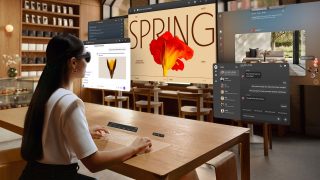

As retailers gear up for their annual Black Friday sales, shop attendants and their managers are refreshing skills for handling angry customers – and based on successful pilot tests at The Reject Shop, one Australian firm knows virtual reality can help.
A specialist firm working in VR and augmented reality (AR), Start Beyond developed its Minaca series of workplace training videos to give staff an immersive training experience that would help them learn how to handle conflict with customers.
The tool – which includes modules for three types of difficult customers in hospitality, retail, and health and aged care scenarios that each take around 20 minutes to complete – projects videos and quizzes through a ByteDance PICO VR headset.
Rather than having workers step through e-learning scenarios on their phones or computers, Start Beyond founder and CEO Angus Stevens says having an irate customer losing their cool right in the user’s face “creates an emotional response” for trainees.
“The whole idea was to build out something so people feel that psychological and physical risk of having someone in their face and being verbally abusive or physically threatening,” he told Information Age.
“If you make someone feel something, that emotion becomes a memory and that memory becomes knowledge… VR provides the sense of emotional and physical risk without the real-world consequences – and when it happens, they’ll know what to do.”
Frontline workers face constant abuse
Mental health and burnout are real concerns among customer-facing staff, particularly as thousands of Australian teenagers enter the workforce as Christmas casuals – often to face interpersonal conflict they’ve never experienced and can’t manage.
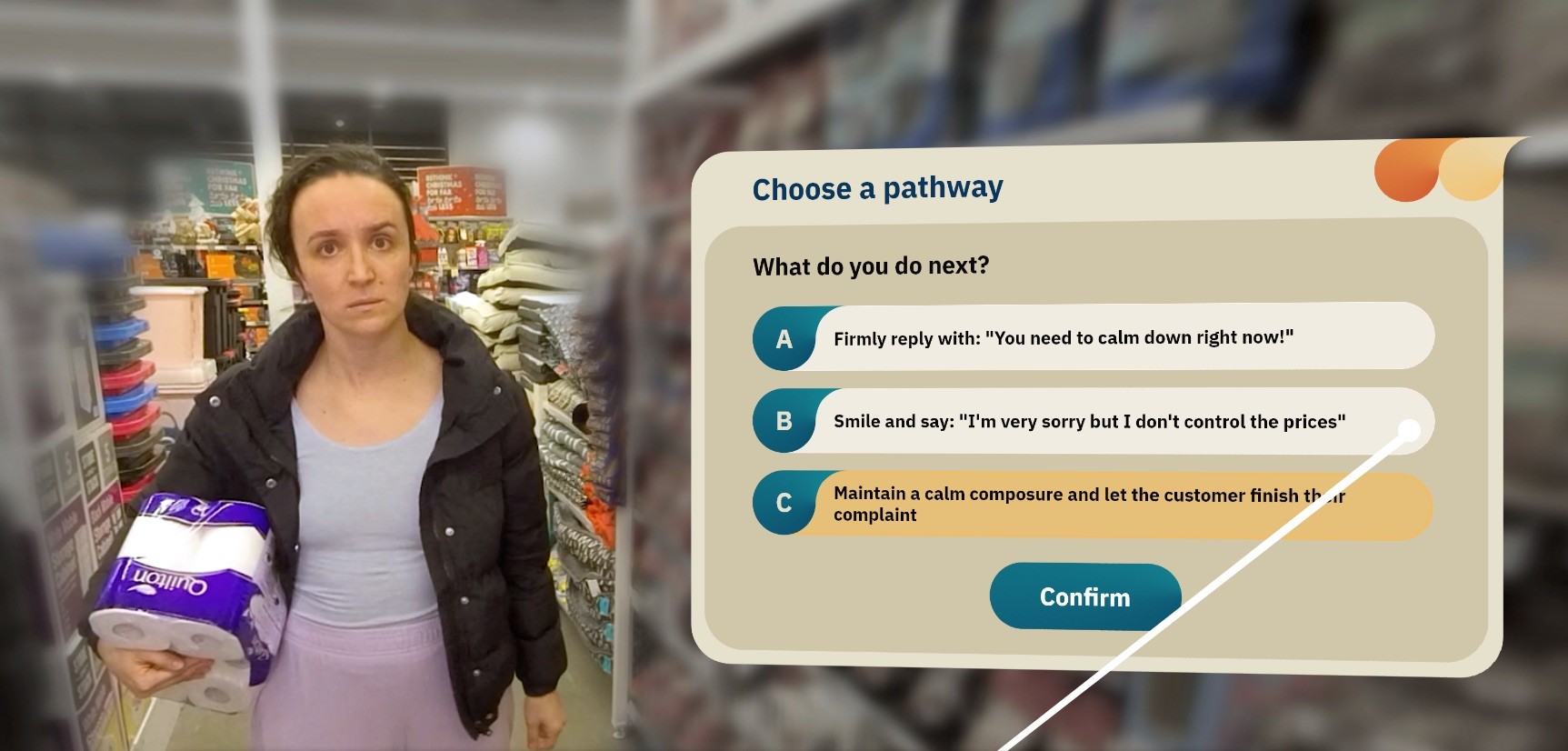
Retail workers deal with unhappy and aggressive customers every day, with burnout and absenteeism exacerbating the issue for workers and managers alike. Source: Supplied
Abuse of retail workers remains a major issue, with a recent Retail Trust survey of 1,000 workers finding that 77 per cent had experienced intimidating behaviour in the past year – and that 23 per cent were physically assaulted by customers.
Fully 62 per cent feel stressed and anxious going to work, while 45 per cent said they feel unsafe at work and 43 per cent are looking to quit the industry altogether – a major threat to wellbeing and a logistical nightmare for employers struggling to fill shifts.
With VR headsets offering high resolution, comfort during long training sessions and strong software support, use of VR/AR for student and employee training has surged – with revenues of $2.3 billion ($US1.5 billion) this year and 10.91 per cent annual growth.
One PwC survey found that employees learn four times faster with VR, are nearly four times more emotionally connected with the subject matter and are 275 per cent more confident to apply the skills learned after training.
Pilot testing with a range of Australian retailers has confirmed these figures, with discounter The Reject Shop – which has thousands of staff across 395 shops nationwide – finding it dramatically improved workers’ conflict resolution skills.
The Reject Shop, which has long worked to address rampant abuse by customers, trialled Minaca in several of its shops where it has historically had the highest levels of reported customer aggression, running 100 employees through the VR training.
Before the training, just 18 of those workers said they felt ‘highly confident ’ they knew how to manage an aggressive customer – but after completing the training, this had surged to 68 people – with the remaining 30 saying they felt ‘confident’ doing so.
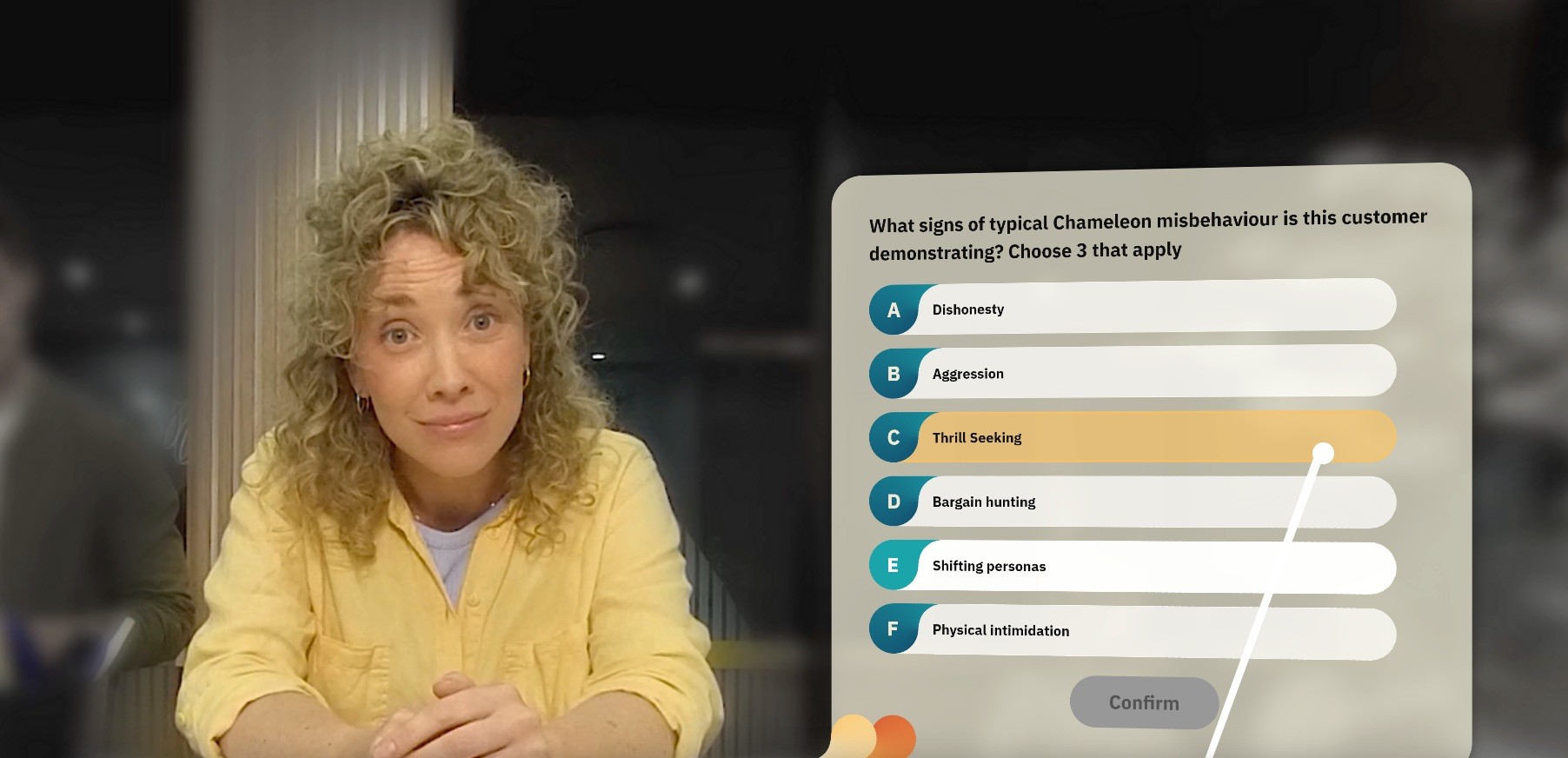
Virtual reality training creates an emotional response by immersing workers in a conflict situation. Source: Supplied
The retailer is expanding its use of Minaca, as are other launch partners including NRMA and Hoyts, which Stevens said “are seeing a seismic shift” in turnover and absenteeism “because people feel more motivated to go to work, and they’re not calling in sick.”
Tapping AI to divert irate customers
VR isn’t the only technology helping companies support workers better, with generative AI (genAI) providing benefits for workers in call centres – where aggressive customers are a fact of everyday life – by patiently handling all kinds of customer enquiries.
With holiday shopping in particularly driving a surge in delayed orders, many support queries come from irate customers wanting to know where their goods are – known as WISMO (“Where is my order?”) enquiries – and support staff often bear the brunt.
One customer of AI firm Blockstars Technology introduced AI call agents “solely for the purpose of improving the mental wellbeing of their team,” COO Kosala Aravinda said, flagging the benefits of “AI-assisted routing of emotionally intensive calls.”
Offloading “certain call types to AI… can reduce stress, improve agent retention and increase job satisfaction overall,” he explained, with the move not only boosting operational efficiency but boosting morale and reducing absenteeism.
Qualtrics ANZ head of customer experience solution strategy Ivana Papanicolaou said Australians are “a hard group to win over”.
“Too many companies are deploying AI to cut costs, not to solve problems, and Aussies know the difference,” she said, adding that our “stark preference for human interactions is a reminder of just how critical human connection is for customer experience.”