
A proposed $1.1 billion data centre in residential Melbourne has opposition from residents, with concerns about its proximity to homes, environmental impact and relatively small number of jobs.
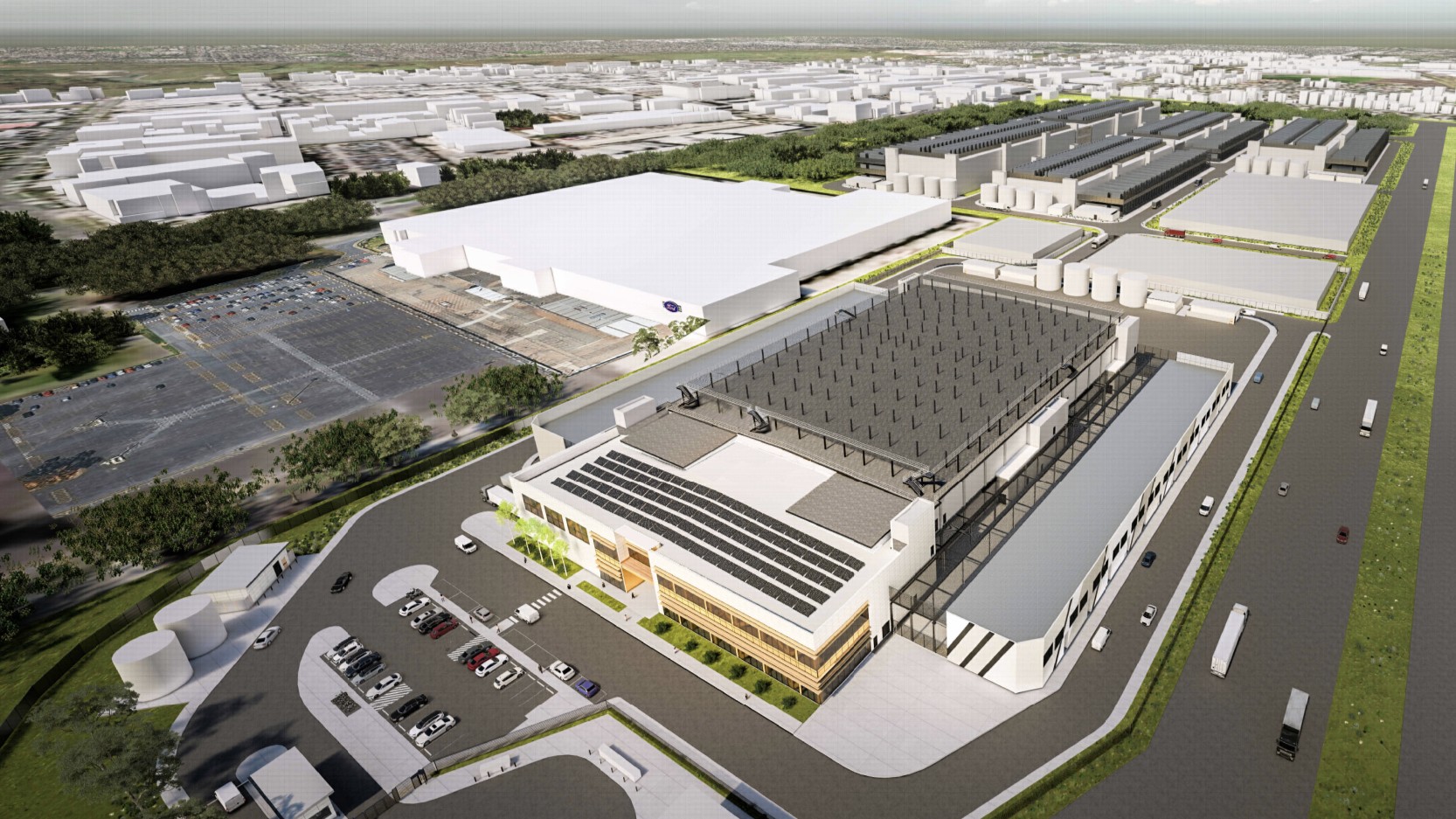
Singapore-headquartered tech firm Zerra DC has lodged a planning application directly with the Victoria Minister for Planning Sonya Kilkenny for the data centre campus on the site of a former Ford car factory in Campbellfield in the state’s north.
The campus will cover 210,000sqm once fully completed, equating to more than 10 times the size of the ground of the MCG.
It is expected to consume 336 megawatts of power once fully operational, roughly equivalent to the combined power demand of all existing data centres in Victoria.
A data centre and a precinct
Zerra DC has described the precinct as a “transformative project positioning the region as a leading hub for innovation and data management”.
Construction will be completed in six stages over 12 years, with the first consisting of a two-storey building and data hall, expected to be completed by the second quarter of 2028.
By the sixth stage, it will be a “substantial six-building data centre campus and precinct” that will “bring a new industrial age” to the former car factory, the company said.
The project has been submitted via the Victorian government’s Development Facilitation Program, which allows companies to bypass the local council application process and VCAT appeals
A decision is expected within four months.
‘Much severity’
A petition calling for the data centre plan to be scrapped was launched by a young resident and has now attracted more than 1,000 signatures.
“This issue is of much severity to the people and businesses in living proximity of that area,” Sophie Hopkins, who launched the petition, wrote.
“The construction of AI data centres can cause major environmental damage, contributing to climate change and depleting precious water resources.
“These centres consume vast amounts of energy and water, adding substantial stress to an already fragile ecosystem.”
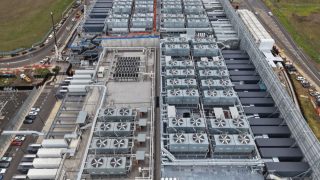
The Zerra DC data centre will use air-cooled technology, which the company said eliminates the need for water-based evaporative cooling and reduces the water consumption of the site.
It will be based on an “industry leading response to sustainability initiatives”, the firm said.
Hopkins said she was concerned about the “lack of thorough environmental assessments and transparency”.
“We need to prioritise sustainable development in Campbellfield and consider alternative locations or technologies that lessen environmental impacts,” she said.
“Local authorities must listen to the voices of the residents and act responsibly.
“We ask the Victorian government to halt the plans for these AI data centres until comprehensive environmental impact assessments have been conducted and alternative solutions are explored.”
Zerra DC said the data centre will “deliver an economic boost to the local community through construction activity, employment and local spending”.
Its planning application reveals that there will be up to 255 full-time jobs created at the data centre once it is fully operational.
Fewer than 50 people would work at the first stage.
That compares with more than 5,000 employees who worked at the Ford factory at its peak in the 1980s.
The proposed data centre campus would therefore create less than 5 per cent of the number of jobs once supported by the former manufacturing site.
The sprawling campus will sit within 260 metres of nearby houses when it is fully established, leading to concerns over potential noise pollution.
Local MP objects
While the planning minister is considering the application, local Labor MP Kathleen Matthews-Ward has voiced opposition to it.
“Given its manufacturing history and proximity to freeways, freight rail and the airports, I think this location would be best used for productive and advanced manufacturing,” Matthews-Ward said.
“I have also requested an improved consultation process on the project given the high proportion of local residents that do not speak English at home.”
Australian governments have been increasingly welcoming large data centre proposals to boost the economy and bring the associated infrastructure investments.
In Victoria, this year’s budget revealed that the surge in data centre projects accounted for all of the growth in Victoria’s private commercial building approvals.
But this push has come up against staunch community opposition, with concerns centred on the environmental impact and whether these data centres will create many jobs.
The federal government is also planning to intervene and introduce mandatory rules for new data centres requiring operators to underwrite new power supply and “put at least as much energy into our grid as they take out of it”.