


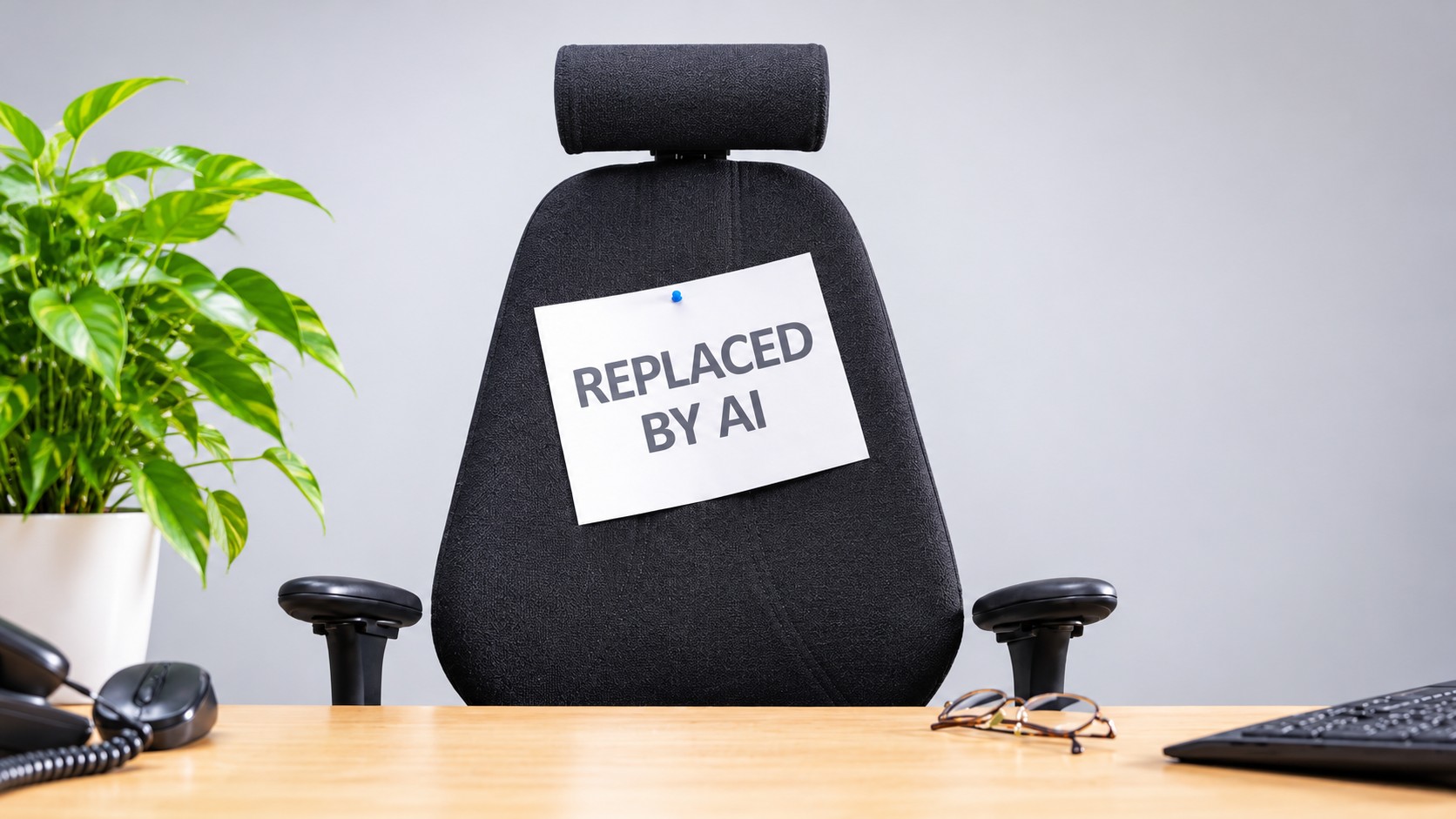

In a win for the global workforce, nearly a third of workers replaced by artificial intelligence in recent years will be hired back by 2029.
Based on a survey of just under 300 chief human resources officers (CHROs), the study by research firm Gartner found many companies laying off staff due to AI may soon regret it, with many expecting to later rehire for these same roles, potentially at a higher cost.
Gartner found 30 per cent of employees impacted by AI layoffs will be hired back by 2029.
This is because organisations are approaching workforce planning decisions the wrong way, Gartner APAC HR practice senior director Robin Boomer told Information Age.
“The mistake many organisations are making is treating AI as a headcount reduction program rather than a program of unlocking productivity and amplified or new in-kind value streams,” he said.
“AI automates tasks, not whole jobs, and the tasks it can execute are often underestimated for their upside in pursuit of efficiency and ‘doing more with less’.
“AI implementations may not be mature enough when roles are cut and processes may not have been designed for AI suitability.
“In addition, organisations may lose intangible value that employees bring, such as institutional knowledge, customer relationships and operational judgement, which automation can’t easily reproduce.”
Will we see this in Australia?
This trend is likely to be seen in Australia too, Boomer said, but potentially not as drastically.
“Australia is more likely to experience a gradual redesign of work than an immediate wave of AI-driven job destruction,” he said.
“Australians organisations’ adoption of AI has been more measured in focusing on productivity improvements, increased capability and meeting more demand, rather than strategies that are aggressively cost and efficiency driven.”
Boomer said that making unnecessary layoffs due to AI costs is much more than just money.
“The cost of an AI layoff is not the severance payment,” he said.
“It is the operating drag and potential reputational damage that appears afterward, particularly weaker service, lost knowledge, slower execution and lost trust or goodwill from existing and future employees, as well as customers or external stakeholders.”
The survey found that nearly one in five organisations have workforce planning practices that allow them to help their leaderships understand the changing nature of work, AI’s impact and to realign talent strategies with business goals.
While just 19 per cent have such a strategy in place, those that do are 1.4 times more likely to beat their revenue goals, and 1.5 times more likely to exceed cost goals.
“The right sequence is process redesign, controlled adoption, measurement, and then workforce adjustment,” Boomer said.
“Organisations shouldn’t embark on layoffs or workforce adjustments in the hope that process will somehow redesign itself.
“Positions shouldn’t be cut because an AI tool appears capable of performing part of the work – or even worse, based on tools that promise to assess and score the percentage of tasks that AI could eliminate.
“Instead, the focus should be on demonstrating that the redesigned process can deliver the required outcome at the required level of risk, quality and service; then implement and monitor the AI-infused process.”
Layoffs galore
There have been a number of high-profile layoffs this year involving Australian companies which have been blamed on the rapid rise of AI.
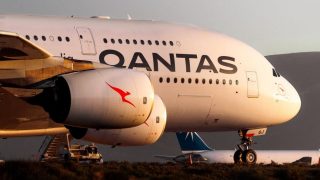
Earlier this week Qantas announced that 850 jobs would be axed over the coming years as part of a new partnership with Accenture that will see the airline shift back-office services to India, with the use of AI and automation ramped up.
In October, big four bank NAB announced it would be cutting 2,500 staff, with “rapid technological change” blamed as a key reason for this.
The layoffs account for about 6 per cent of NAB’s 40,000 workers.
In the first three months of this year alone, nearly 5,000 Australian tech workers lost their jobs, and AI was attributed as the reason for all of these layoffs.
Research earlier this year found there has been a “recruitment correction” in North America which may soon take place in Australia.
It found that almost a third of US and Canadian companies that had eliminated roles because of AI had later rehired for the same or similar positions.
This was because they had underestimated the human expertise needed to oversee AI systems, the need to better manage relationships, and to make decisions that require context and judgement.