



Gilmour Space Technologies has banked $217 million in a Series E funding round to reach unicorn status, with the Queensland rocket builder’s valuation topping $1 billion.
The round was jointly led by the federal government's National Reconstruction Fund Corporation (NRFC) and existing backer and super fund Hostplus.
Support also came from previous investors Future Fund, Blackbird, Funds SA, HESTA, NGS Super, Main Sequence, QIC, and Brighter Super.
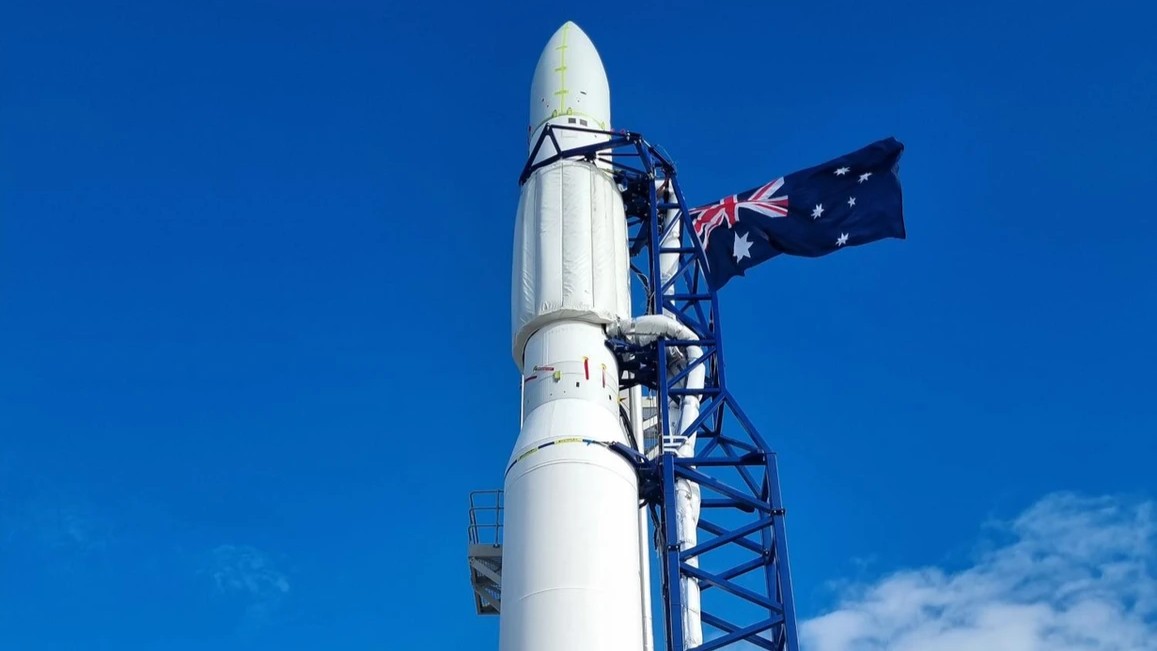
The new capital comes after Gilmour’s first launch attempt of an orbital rocket in July 2025, which saw its 23-metre-high, 30-tonne Eris rocket take off and rise 100 metres in the air before crashing after 14 seconds of flight.
The new cash is for continued development of the Eris orbital launch vehicle, to scale rocket and satellite manufacturing, expand test and launch infrastructure, and grow the company’s workforce, which now tops 220 people.
Australia’s first space tech unicorn
Gilmour Space previously raised $142 million in venture funding, including a $19 million Series B in 2018, a $61 million Series C in 2021, and a $55 million Series D in 2024, as well as tens of millions in funding from local, state, and federal government.
Founded on the Gold Coast in 2013 by brothers Adam and James Gilmour, the space tech scaleup is building an end-to-end sovereign space capability spanning the design, manufacture, test, and launch of rockets and satellites in Australia.
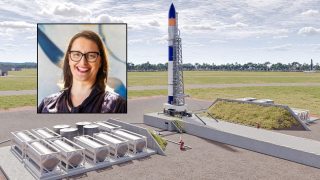
Alongside the Eris rocket, the company also built the Bowen Orbital Spaceport — the country’s first licensed commercial orbital launch facility, in North Queensland — and the 100-kilogram ElaraSat satellite platform.
Space technologies ‘fundamental to national resilience’
Chief executive Adam Gilmour said access to space underpins modern economies, enabling critical services such as communications, navigation, climate, and environmental monitoring, disaster response, and national security.
“This investment reflects strong investor confidence in our team and in Australia’s ability to build and operate critical space infrastructure at home,” he said.
“We’ve reached important technical and business milestones.
“Our focus now is on delivering reliable and regular access to space for customers both at home and abroad.”
NRFC CEO David Gal said, “Space technologies are fundamental to national resilience, economic productivity, and regional growth.
“Gilmour’s success will help secure Australia’s access to essential space services, strengthen our advanced manufacturing base, and create highly skilled jobs and opportunities in the region.”
This article originally appeared on Startup Daily. Read the original here.