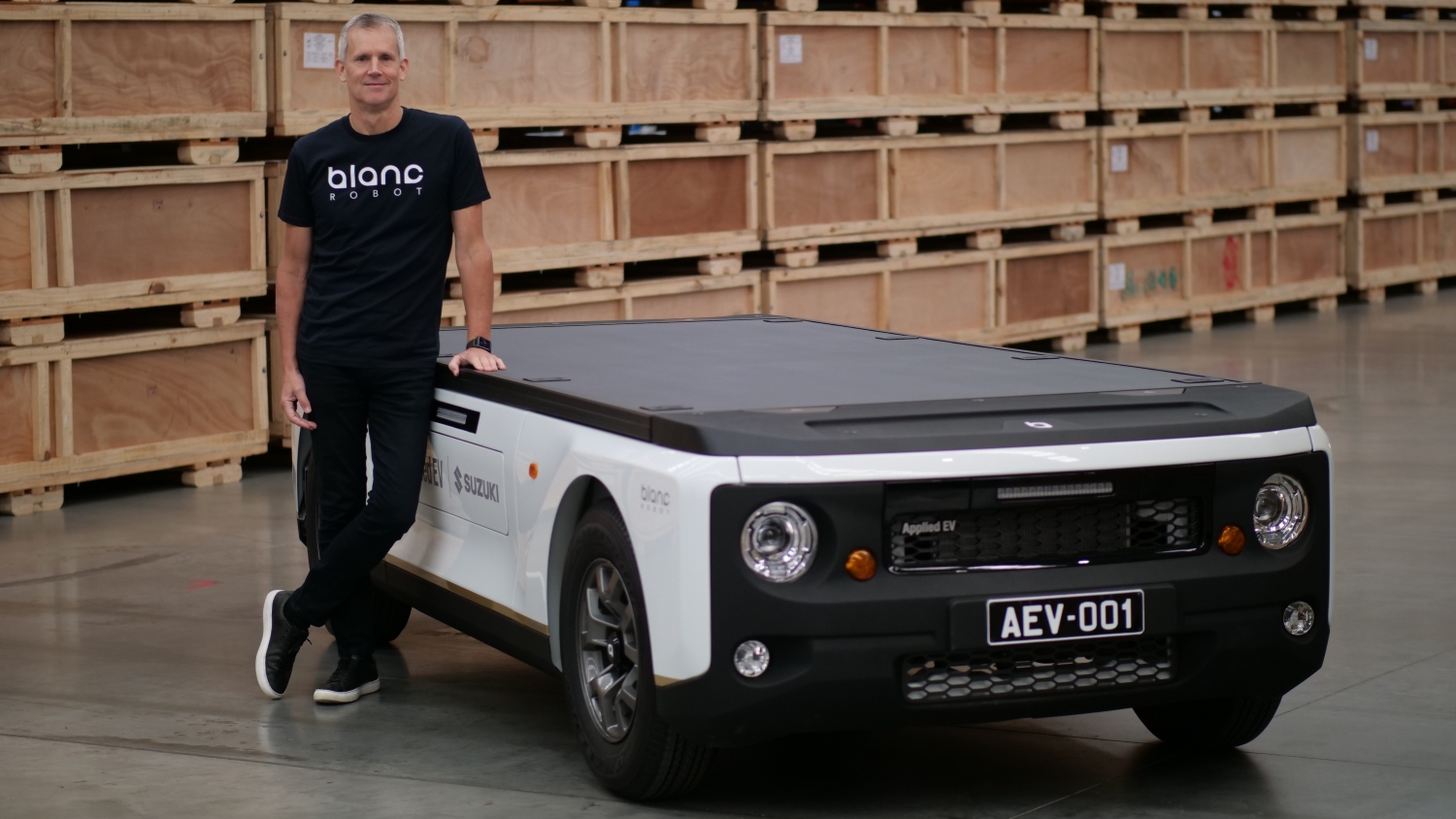

Australia's National Reconstruction Fund Corporation (NRFC) has taken a $30.7 million equity stake in local autonomous vehicle company Applied EV, the government investment office announced on Wednesday.
The Melbourne-based scale-up, founded in 2015, designs autonomous vehicles for use in industrial settings such as logistics, mining, and agriculture.
The firm’s NRFC funding would be used to “manufacture, commercialise, and scale” Applied EV's driverless vehicles — which it calls Blanc Robots — the government body said.
Now in their sixth generation, Blanc Robots have a top speed of 80 kilometres per hour and are designed to be configurable with multiple use cases given their flat, cabin-less chassis.
Supporting this design would contribute to the transport industry’s energy transition and help alleviate driver shortages in industrial settings, NRFC said.
Applied EV's Australian-made electronics and software are currently installed into vehicle chassis built by Japanese carmaker Suzuki, which has previously invested in Applied EV.
NRFC said its investment was expected to create “up to 25 new skilled trade, technical, and commercial jobs in Melbourne”, to complement Applied EV's existing 113 employees.
‘A sound and scalable business model’
NRFC CEO David Gall said Applied EV's combination of commercial contracts, industry partnerships, and product pipeline would allow it to accelerate its expansion into greater Oceania, Europe, and Asia.
“By focusing on autonomous electric vehicles for industrial use, [Applied EV] has created a sound and scalable business model,” Gall said in a statement.
"Its proprietary digital control system is made up of a combination of electronics and software that allows autonomous electric vehicles to be operated to the highest global safety standards in conditions that are remote and hazardous for human drivers."
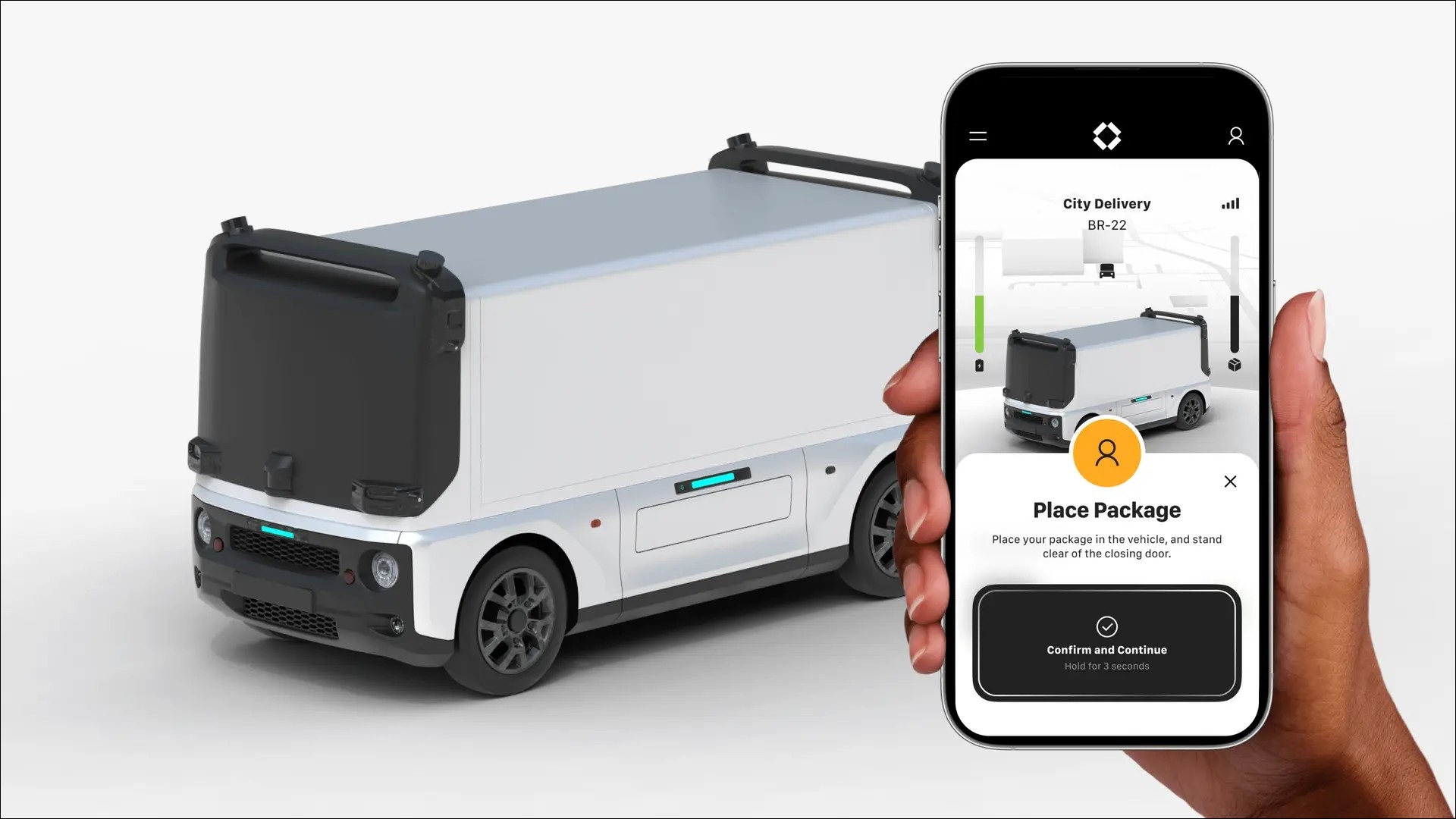
Applied EV says its autonomous vehicles are designed for use in industries including logistics, mining, and agriculture. Image: Applied EV
Applied EV CEO and co-founder Julian Broadbent said the company “saw an opportunity” to use local talent to build something innovative after traditional vehicle manufacturing ended in Australia in the 2010s.
“Today, that vision is delivering real-world impact, placing Australian-developed technology at the forefront of the autonomous transport revolution,” he said.
NRFC funding made up most of Applied EV's $US40 million ($57 million) Series B funding round, which was also supported by investors such as Barrenjoey and Japan Post Capital.
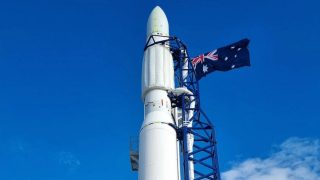
The investment marked NRFC’s first support of a transport project, after previously announcing funding for the likes of rocket-maker Gilmour Space, brain-computer interface firm Synchron, AI medical startup Harrison.ai and quantum companies Quantum Brilliance and QuintessenceLabs.
Australian roads brace for fully autonomous vehicles
While controlled tests of autonomous vehicles have already taken place in Australia and supervised self-driving Tesla vehicles began travelling on local roads in 2025, federal regulations have so far prevented fully autonomous and unsupervised vehicles from being used on public roads.
State and territory transport ministers agreed in November 2025 that some conditional deployments of automated vehicles would be allowed in select locations from 2027, “with full national readiness to follow”.
“This timeline will depend on each state and territory updating its legislation and building the necessary capabilities to support safe and lawful operation,” according to the government’s National Transport Commission (NTC).
Waymo — an autonomous vehicle business owned by Google’s parent company Alphabet — held discussions with the Australian government in 2025 about bringing its robotaxis Down Under as early as 2026, according to documents released under Freedom of Information laws.
The company has reportedly held discussions with the New South Wales government about beginning testing in Sydney, and would require state-based approval to do so.