



Seedance 2.0, a new AI video generation model from TikTok’s Chinese parent company ByteDance, is drawing allegations of copyright infringement as it goes viral for creating realistic cinematic videos depicting Hollywood actors and characters.
ByteDance released Seedance 2.0 on Thursday, and videos generated mainly by users in China quickly drew attention on both Chinese and Western social media for their hyper-realistic video and audio.
The system had been designed to enable "director-level control” for film, advertising, and game animations by generating text, images, audio, and video simultaneously, ByteDance said.
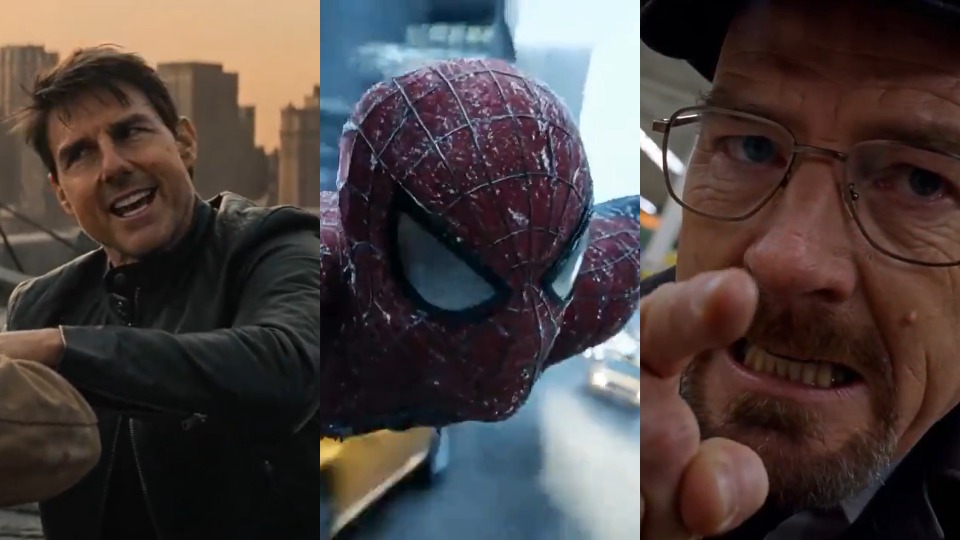
Seedance 2.0 clips such as the one below depicting actors Tom Cruise and Brad Pitt playing characters engaged in a fist fight have gone particularly viral, to which American screenwriter Rhett Reese responded, “I hate to say it. It’s likely over for us.”
This was a 2 line prompt in seedance 2. If the hollywood is cooked guys are right maybe the hollywood is cooked guys are cooked too idk. pic.twitter.com/dNTyLUIwAV
— Ruairi Robinson (@RuairiRobinson) February 11, 2026
Other videos generated with Seedance 2.0 depicted actor Bryan Cranston playing Walter White in TV series Breaking Bad, as well as scenes depicting Spider Man and other American actors such as Will Smith, Tom Hanks, Chris Evans, and Anne Hathaway.
Professor Kimberlee Weatherall, co-director of the University of Sydney’s Centre for AI, Trust and Governance, said the Seedance 2.0 videos — while short, at a maximum of 15 seconds — were “quite impressive” and highlighted “significant progress" AI firms had made in AI-generated video.
“The visuals, and sound, and fluency are impressive,” Weatherall told Information Age.
“Do they appear similar to copyright materials? Yes — Spider-Man looks like Spider-Man, Mario looks like Mario.
“Do they resemble identifiable individuals? Yes — the fight video looks like Brad Pitt and Tom Cruise, it's not perfect but it’s recognisable.
“… The videos are perhaps too short to infringe copyright in storylines, stories, or plotlines, but characters in particular like Spider-Man or Mario are based on underlying artistic works.”
Seedance 2.0 is absolutely insane. Done with @chatcutapp pic.twitter.com/xk8xcBw6da
— EMU (@NotAnActualEmu) February 11, 2026
Hollywood slams ‘unauthorised use … on a massive scale’
Videos generated with Seedance 2.0 reportedly caused Paramount and Disney to send cease-and-desist requests to ByteDance this week.
The company and its new video model have also drawn criticism from the Motion Picture Association (MPA), which collectively represents major US film studios.
MPA chairman and CEO, Charles Rivkin, said ByteDance and its Seedance service had “engaged in unauthorised use of US copyrighted works on a massive scale”.
“By launching a service that operates without meaningful safeguards against infringement, ByteDance is disregarding well-established copyright law that protects the rights of creators and underpins millions of American jobs,” he said in a statement on Friday.
“ByteDance should immediately cease its infringing activity.”
The impact of AI models such as Seedance 2.0 has raised concerns over whether actors, public figures, and even private people could effectively raise “legitimate concerns over the generation of videos with close resemblance to them personally”, Professor Weatherall said.
“That is where I think attention should be trained, because while I understand the commercial harm potentially faced by Disney or other commercial players, to me the more concerning issues are the personal, moral, emotional harms that could arise when real, identifiable people are imitated by these videos,” she said.
Ok, here you are: "Will smith eating spaghetti" by Seedance 2.0 pic.twitter.com/ZOo3e9HFRI
— Carlos Santana (@DotCSV) February 10, 2026
SAG-AFTRA, a union formed by the merger of the Screen Actors Guild and the American Federation of Television and Radio Artists, said it condemned what it called “blatant infringement” in Seedance 2.0, including “unauthorised use of our members’ voices and likenesses”.
“This is unacceptable and undercuts the ability of human talent to earn a livelihood,” the union said in a statement.
“Seedance 2.0 disregards law, ethics, industry standards and basic principles of consent.
“Responsible AI development demands responsibility, and that is nonexistent here.”
ByteDance says it has ‘heard the concerns’
ByteDance on Monday pledged to crack down on the unauthorised use of intellectual property in Seedance 2.0, but did not respond to questions about whether copyrighted intellectual property was used to train the model.
A ByteDance spokesperson told Information Age the company respected intellectual property rights and had “heard the concerns regarding Seedance 2.0”.
"We are taking steps to strengthen current safeguards as we work to prevent the unauthorised use of intellectual property and likeness by users,” they said.
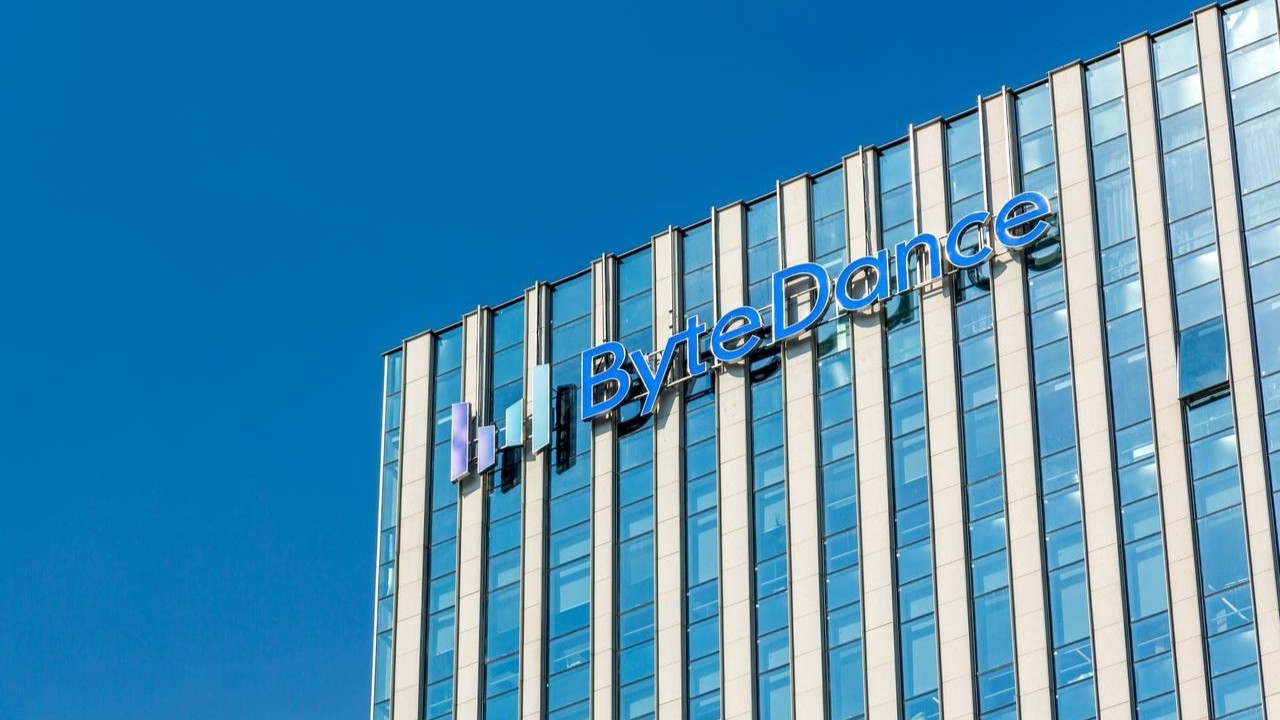
ByteDance says it 'respects intellectual property rights' and has 'heard the concerns regarding Seedance 2.0'. Image: ByteDance
At the time of writing, Seedance 2.0 is available on ByteDance’s video editor JianYing (branded outside China as CapCut), for users with a user ID from China’s Douyin app (TikTok in the West).
ByteDance reportedly said it planned to bring Seedance 2.0 to CapCut for global users, but it has yet to become available.
Developers outside of China may be able to access Seedance 2.0 through some third-party API providers.
ByteDance acknowledged upon Seedance 2.0’s release that the model was “still far from perfect, with various flaws remaining in its generation results”.
“We will continue to explore deep alignment between large models and human feedback, striving to deliver a more efficient, stable, and imaginative audio-video production tool to serve more creators,” the company said.
The quick rise of Seedance 2.0 has already led to comparisons with China’s DeepSeek R1 chatbot, which rocketed to popularity in 2025 before becoming the most blocked AI in Australia over potential security issues.
Western AI models also face copyright concerns
Numerous Western AI models have previously been accused of being trained on – or allowing the generation of – intellectual property such as photographs, books, music, TV shows, movies, YouTube videos, software code, and more.
Google launched an “early research prototype” world generation model called Project Genie in January, which allowed users to build video game-like environments which even appeared to mimic those from copyrighted Nintendo games.
The Grok series of AI models by Elon Musk's xAI has been accused of allowing the generation of copyrighted characters, while Meta was accused of using a dataset of pirated books to train its Llama AI models.
Disney signed a licensing deal with ChatGPT maker OpenAI in December 2025, allowing the American AI firm to use more than 200 characters from Disney, Marvel, Pixar, and Star Wars franchises in its video generator Sora.
Around the same time, Disney reportedly sent a cease-and-desist letter to Google’s lawyers, accusing the tech giant of copyright infringement on a “massive scale” involving Disney properties.
The likes of Google and Meta have reportedly pushed for licensing deals with film and TV studios, but details of any successful deals have not been shared publicly.