
When I get a call from Mark (not his real name) from inside a Sydney prison, he immediately speaks openly about his past.
“I've been a recidivist offender for so many years of my life, I’ve been in addiction, I've never had a job,” he tells Information Age.
“Now I've come up, I've found a hobby that I love doing, I've got some great mentors, I've got some friendships that I'm going to have for life.
“You know, it's given me the opportunity to change my life.”
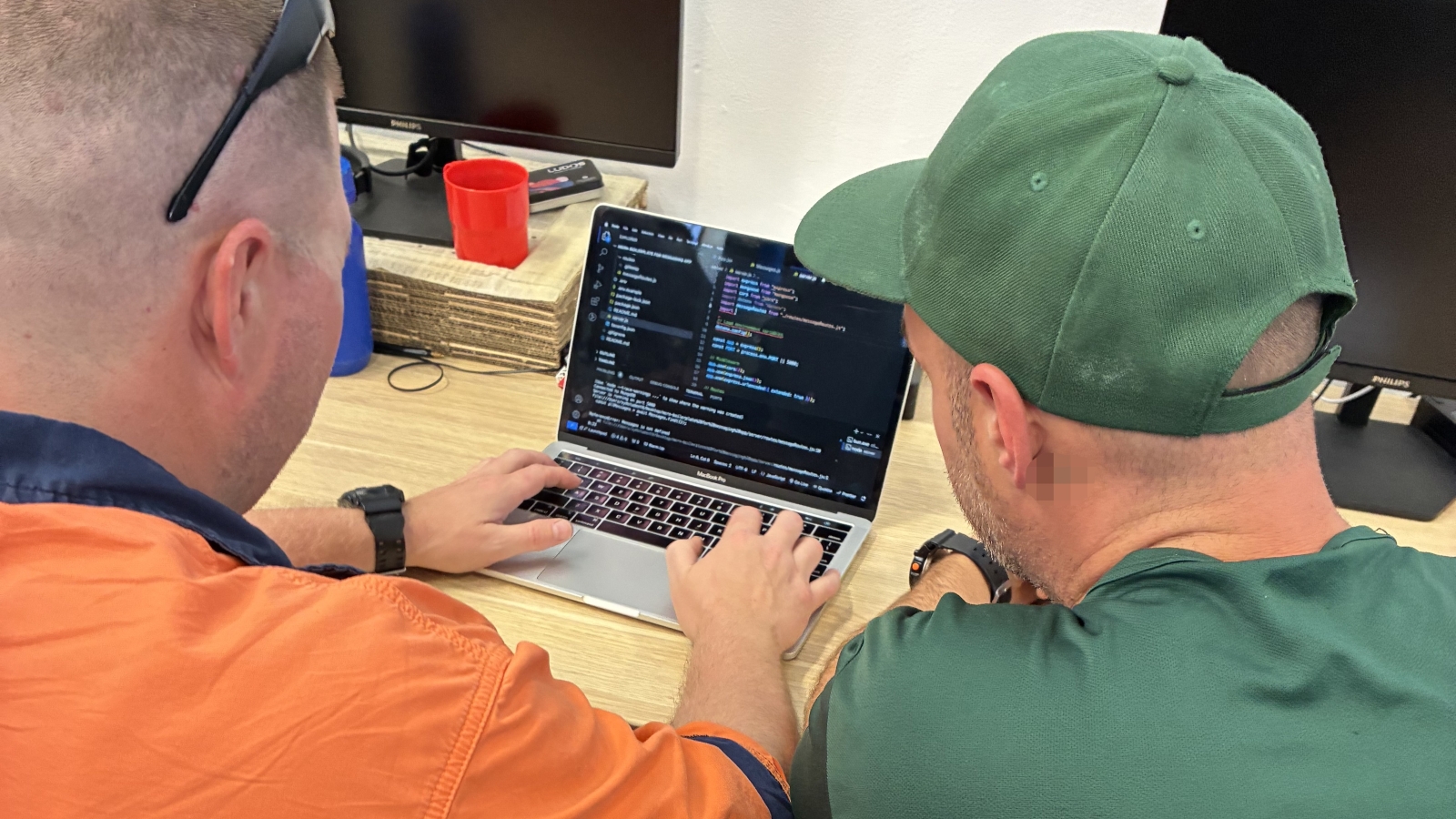
He’s talking about computer coding, which he learned during his time in custody through the work of a charity called Take2.
The organisation’s web development program, which first began in New Zealand, made its way to Sydney's Mary Wade Correctional Centre in 2024 before expanding to the Macquarie Correctional Centre in regional New South Wales in 2025.
Mark says he decided to take part in the course to “try something different”, as he only had limited previous exposure to computers.
“I sort of felt like I was in a dead end where I was at, and I thought, ‘You know, I'm in a space where I need to try to grab whatever opportunity I can,’” he says.
“Opportunity came along, so I thought I'd jump at it.”
Mark has since graduated from the Take2 program, which typically involves up to a year of technology and life skills training while in custody, and further external support to reintegrate and find a steady job.
He is also one of four Take2 students in Australia who have been allowed to leave prison on day-release to travel to part-time jobs and earn a wage while completing their sentences.
Mark is working as a warehouse coordinator and says he spends much of his shifts using spreadsheets.
But he beams with a self-described “passion for coding” and says he hopes to land a job in tech one day.
In New Zealand, companies such as Xero, Woolworths, and Datacom have hired former Take2 graduates.
“If I could [code] every day for the rest of my life, I'd consider myself very lucky,” Mark says.
Finding the right attitude and 'a bit of hope'
Mark admits he “didn’t have the right attitude” and was “abrasive” with Take2 staff and fellow students when his classes first began.
Because the program attempts to emulate a workplace culture through morning meetings and collaboration, he says he “struggled a bit … trying to adapt”.
“So many times they said, ‘Mate, your coding is great, your brain's built to do this, but your attitude stinks,’” he says, laughing into the phone.
“I still remember consciously the day that I sat there and I thought, ‘You know what, I really enjoy doing this that much – this is something I want to do for the future, so if they tell me I need to work on something, you know what, I'll give it a go.’”
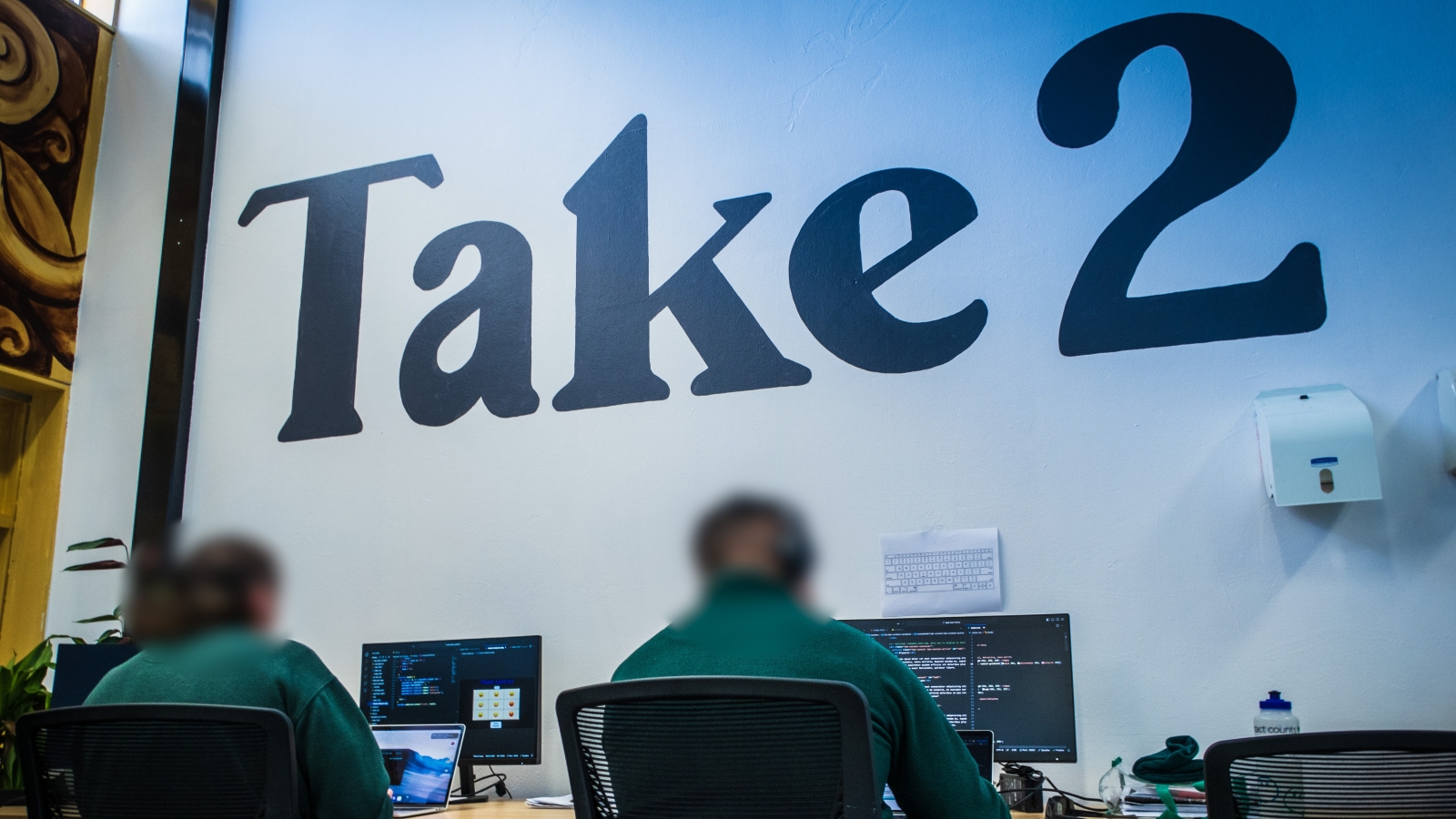
Take2's program has expanded into two Australian prisons after first launching in New Zealand. Image: Take2 / Supplied
Mark says he worked on soft skills involving communicating and working with people in a team, and accepted he did not need to have everything his “own way”.
“I took their advice, and I’ve become a person I like now,” he says.
Some of that advice came from 25-year-old software engineer Annabel Cowley, who volunteered with Take2 through its partnership with her employer, Australian graphic design software giant Canva.
She says while she initially “felt overwhelmed” when she walked through prison security before attending her first Take2 class, she “lost all the nerves” the moment she entered the classroom.
While Take2 has its own dedicated teachers with technology backgrounds, the charity allows professionals from partner organisations to attend classes to mentor students and assist with their assignments.
“We just explain to them what a day in the life in tech is like, and how the technical skills relate into a job – which is usually about working with teams and not in isolation,” Cowley says.
“… The best part of the sessions is [the students] demoing and showcasing what they've been working on, and getting feedback from us on how they can improve their projects.”
Mark says he remembers thinking “how brave” Cowley was to enter a male prison to help teach inmates how to code.
"I thought, ‘Who is this poor, innocent young girl?’” he recalls, with genuine concern in his voice.
"She's been a great, great help to me personally,” he adds.
“I guess I had that mindset that people out there didn't care, or that we're wasting away in here and the community didn't care.
“So coming in and having repeat visits, spending time with us, coding with us, it sort of gave me a bit of inspiration and gave me a bit of hope.”
Cowley says it was “just incredible” to see how far Mark progressed in 2025, “both in his technical skills, but also in his confidence and communication skills”.
“Seeing him create something from nothing was really powerful,” she says.
“Initially, I think he was a bit frustrated that things weren't working, but that's true for every developer.
“Things just don't work sometimes, and if you just have perseverance and stick it out, you can really create something that you're proud of.”
Tech as ‘a better option’ for a crime-free life
Take2 CEO Cameron Smith says the charity decided to focus specifically on technology education because of the industry’s future potential, its typically well-paid jobs, and its combination of challenging technical skills with other soft skills.
He points out it can be hard for some inmates – who may have previously made “easy money” – to live life on minimum wage while avoiding crime.
It’s another reason technology jobs are seen as a significant incentive.
"Training individuals up for a well-paid career becomes a better option for people who want to live a crime-free life and be productive members of society, to stay that course and to build out their career and their lives,” Smith says.
Prisoners convicted of cyber or sexual offences are not currently eligible to take part in Take2’s program – a restriction Smith says was put in place to ease the anxieties of various stakeholders about teaching such people technology skills, and what they might do with them.
“Now, I don't subscribe to that belief," says Smith, who suggests the rule was necessary to allow the program to take place in Australia.
“In future, we want it to be fully open, but that was a way where we could mitigate some of the concerns for the program to get up and running, and prove it out,” he says.
As time goes on, he hopes Take2 and its partners will “start to address some of those broader concerns and make sure everybody gets the opportunity” to take part.
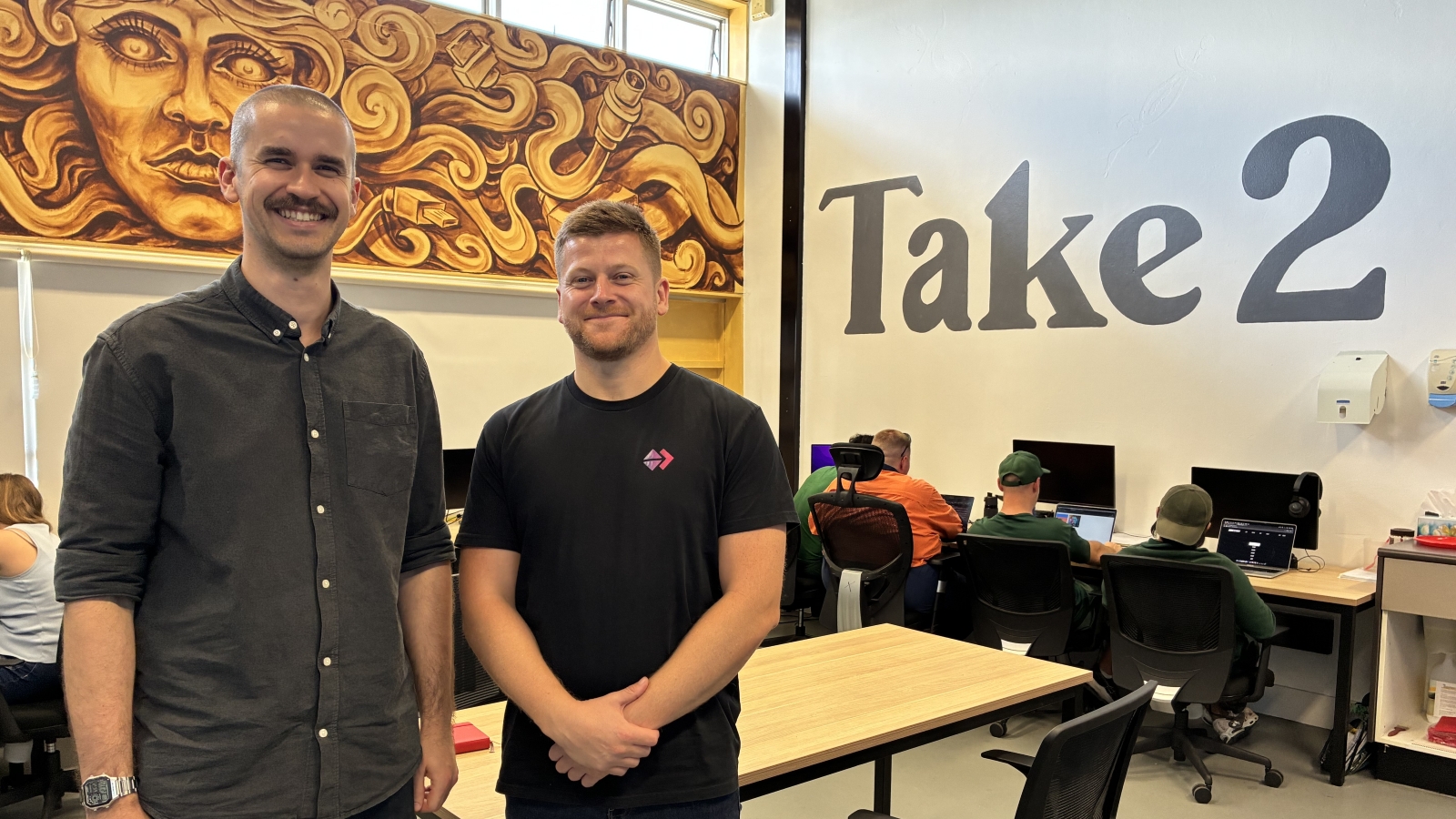
Take2 teacher Nick Saltis (left) with the charity's CEO Cameron Smith (right). Image: Take2 / Supplied
The Take2 program is also currently available only in male prisons, but Smith says the organisation is hoping to raise funds to expand into an office-style classroom setting within the New South Wales community, to train more people.
“That could be individuals coming out on parole from men's and women's prisons, but also individuals on home detention or community service could come to the site and train up in the same way,” he says.
“Because in the community there’s more freedom, but we also have engineers and artificial intelligence as well to lean into with the training for individuals.”
AI has become an increasingly common topic in Take2 classes over the past 12 months, despite its students having no access to the internet to try out generative AI tools like OpenAI’s ChatGPT or Google’s Gemini.
Take2 graduate Mark says the program’s teachers, who are allowed internet access, have instead demonstrated the technology and covered prompt engineering in class.
“That's been really very eye-opening,” he says.
“I can't wait to get out and have a crack at it myself and see how far I can get.”
Cowley from Canva says she would encourage other tech workers to get involved with Take2 if given the chance – not only to share their AI and other tech skills, but to reconnect with their profession.
“Sometimes, when you're working in tech, you're working on a huge product – and a very small part of a huge product – and you can feel like a small fish in a big sea,” she says.
“But having opportunities like this and being able to connect one-on-one with someone else and share your skills and expertise, it benefits both you and the participant that you're helping.
“I think there's just so much to learn through teaching others – and they've got a lot to teach us as well.”