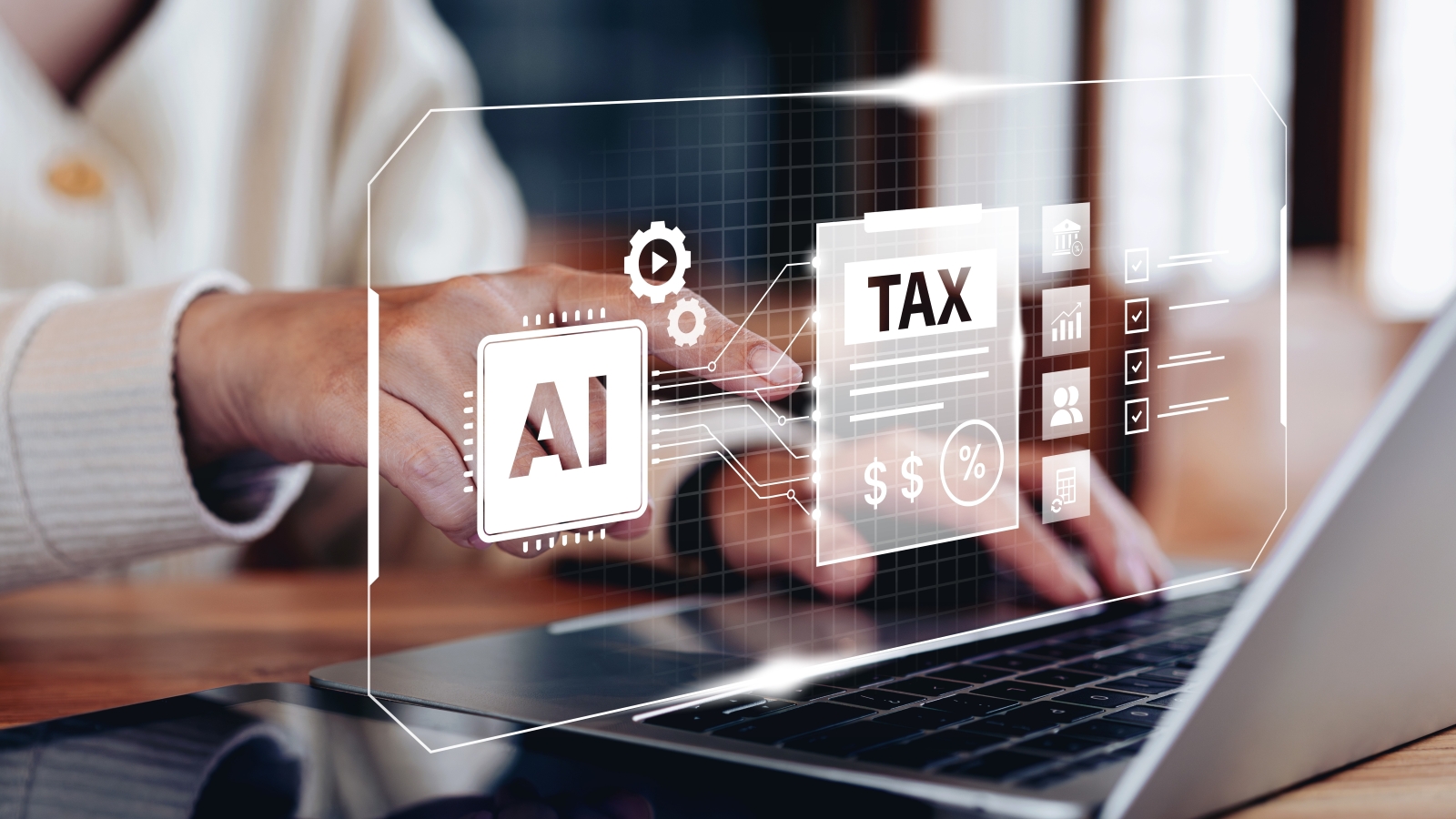

Australians should be wary when asking artificial intelligence models to help with their tax returns, because it “can lead to inaccurate advice”, the Australian Taxation Office (ATO) warns as it announces its focus areas for 2026.
Consumers are increasingly turning to AI chatbots for advice on their tax obligations, with Australian Google Trends data showing searches for “tax AI” have risen significantly since late 2025.
ATO Assistant Commissioner Anita Challen said last week that while AI “can be helpful” with tax information at times, it can also pull information from “a broad and inconsistent range of sources”.
“For example, it could be drawing content about tax obligations or laws from outside of Australia, or outdated sources,” she said.
“Your tax return isn’t the place for guesswork.”
A 2025 survey of more than 1,000 people from Australia and New Zealand, conducted by Adobe and Advanis, found only 7 per cent of consumers used AI assistance to file their tax returns.
Around half of those surveyed had concerns over data security and privacy, while almost a third worried about AI’s accuracy and reliability.
The ATO itself uses AI to monitor compliance and detect fraud, to power its virtual assistant Alex, to make its public content more easily understandable, and to “alert taxpayers to lodgments suspected of identity crime”, according to its AI transparency statement.
‘Finfluencers’ raising concern
Taxpayers should also be wary of financial advice from social media influencers, or ‘finfluencers’, the ATO said.
There has been a rise in unverified tax-related tips being shared online – and “particularly claims promising greater refunds, shortcuts or hacks” – the agency said.
Financial services regulator ASIC (Australian Securities and Investments Commission) announced in April it was partnering with 16 other global regulators to crack down finfluencers "providing unlicensed financial advice or engaging in misleading or deceptive conduct”.
ASIC said it had already issued warning notices to four Australian finfluencers, and was reviewing “several Australian Financial Services (AFS) licensees and their supervision of 15 finfluencers operating under their licences”.
ASIC Commissioner Alan Kirkland said consumers were now “more exposed to biased or misleading content” on social media.
“When viewing financial content on social media, we urge Australians to check a creator’s credentials, and sense‑check the information before acting on it,” he said.
“If someone on social media is promising easy money or guaranteed returns, there is a real risk they’re breaking the law, and you could be the one who loses money.”

ASIC says it has recently issued warning notices to four Australian finfluencers. Image: Shutterstock
Challen from the ATO said “misinformation can spread within minutes”, adding, “If a tax claim sounds too good to be true, it’s worth checking."
The ATO said taxpayers should instead rely on tax information from the ATO’s website, app, or a registered tax professional.
“Tax misinformation often sounds convincing, but dodgy tax advice doesn’t just mislead – it can also lead to significant penalties," Challen said.
“Taxpayers remain accountable for ensuring the information they or their agents provide to the ATO is accurate – whether the advice came from a friend, online sources, or if AI tools were used in its preparation.”
Work expenses and side hustles under focus again
The ATO said it would again focus on identifying taxpayers who made errors in their work-related deductions and expenses in 2026, as well as any income they may have left out of their tax returns – in a similar push to last year.
Challen said taxpayers should avoid falling into “the trap of thinking if you intentionally claim a little more than you are entitled to, it’ll fly under the radar and that the ATO won’t notice".
“Remember our three golden rules: Work-related expenses must relate to earning your income; you must have spent the money yourself and not have been reimbursed; and you have to be able to support your claim with records such as a receipt, invoice or logbook,” she said.
As usual, the ATO said working from home expenses should be calculated using the actual cost method, which requires detailed records; or the fixed rate method, which allows the claiming of 70 cents per hour to cover expenses such as internet, electricity, and phone use.
The agency said it wanted to remind taxpayers to declare all sources of income, “including side hustles, cash jobs, interest and rental income”.
“There are different deductions available for each source of income depending on the nature of the income and occupation,” Challen said.
“People may be surprised to learn what they can claim, so it’s worth checking the ATO’s occupation and industry specific guides or talking to a registered tax professional so you can claim all you’re entitled to.”