



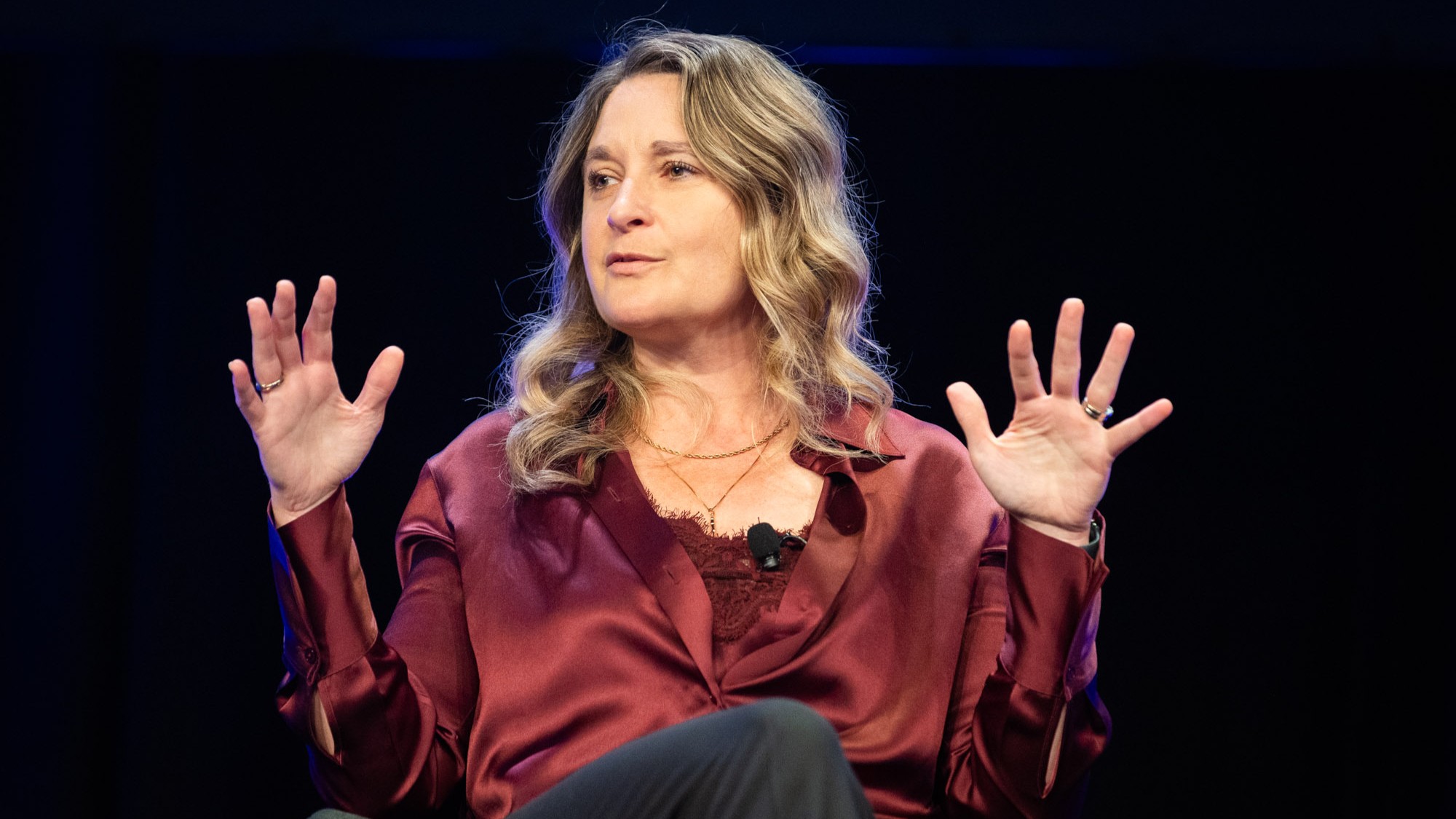

Former Optus CEO Kelly Bayer Rosmarin, who led the telecommunications giant during a data breach in 2022 and a major service outage in 2023, says executives must be held accountable for the actions of their companies' AI agents and technical systems.
AI agents can make decisions and take multi-step actions, but have been caught carrying out tasks in ways their humans users did not intend – including an OpenAI agent which hacked into an Australian government data portal in June.
It is "very clear" that an organisation's executive team and board "are accountable for the company, and anyone – or thing – who acts in its name", Bayer Rosmarin told CEDA's AI Leadership Summit in Sydney on Tuesday.
"They're accountable for their people, they're accountable for a person five layers down in the organisation, and they're accountable for systems if systems don't work," she said.
"And it's going to be true that they're accountable for any of the AI agents who are acting and making decisions in their name.
"I think people need to understand you can outsource work or tasks, but you can't outsource accountability."
Bayer Rosmarin departed Optus almost two weeks after its day-long network outage in November 2023 – an incident the company attributed to human error, and which was linked to the deaths of several people who had attempted to call emergency services.
The executive, who since leaving Optus has co-founded AI agent management startup Aigentsphere and become CEO of member organisation Australian Unity, said individual AI agents should be given clear objectives and have an accountable human owner.
"Then you need to make sure that the agent understands the policies and risk appetite it's operating within – not only what its authorisation is, but what its delegation of authority is," she said.
"Where can it make a decision? Where must it escalate to a human? What happens when it steps outside of risk appetite or explores an avenue that's unpalatable?
"How do you alert the human owner to then review that work, investigate, and make a decision?"
Telstra's AI chief, Dayle Stevens, told the CEDA conference that "someone is always accountable" for decisions made by AI systems.
"We can never blame the AI for having made a decision – if that decision was right or wrong, it has to be explainable," she said.
"I don't like transparency, but we have to be able to explain the decisions that were made."
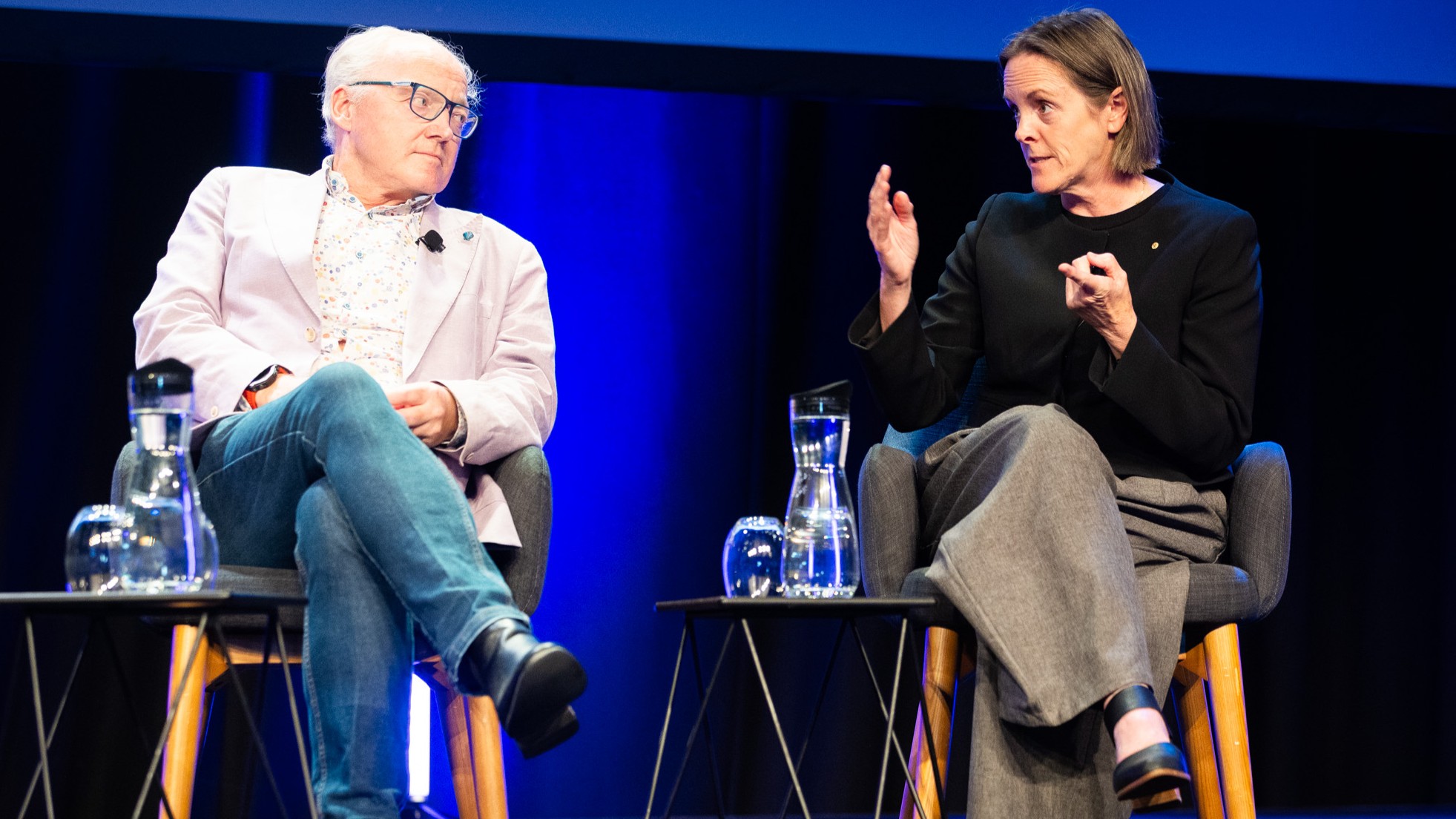
AI expert Toby Walsh (left) and Telstra AI executive Dayle Stevens (right) at CEDA's 2026 AI Leadership Summit. Image: CEDA / Supplied
Australia Post 'being really careful' with AI agents
Australia Post's chief technology and AI officer, Rhys Weekley, told the conference that his employer is "being really careful" about where it chooses to deploy agentic AI that can make decisions on behalf of users.
"There's certain use cases we're not close to putting agents into because of concern around the risk, and we don't have the right technology controls, transparency, and so on," he said.
Organisations planning to integrate AI agents may need to undertake data hygiene work to prevent such systems gaining access to too much personal data, Weekley suggested, as access controls are often "built on assumptions around what's realistic that a person might do".
"You may find that you've got data sources where you've sort of over-permissioned access in a way," he said.
"What that means is, if you allow an agent or a person in your organisation to use an agent and they've got access to all of that data the person's got access to – and they're determined that [the agent] run 24/7 – they're going to go looking around for things, and they might find things."
Australia Post is using AI agents in "places where we've got very mature tools", Weekley added.
"Software engineering being one – there's already really established frameworks around testing software, making sure it's doing the right thing, and so on," he said.
"So we're sort of starting in those areas where the governance is mature."
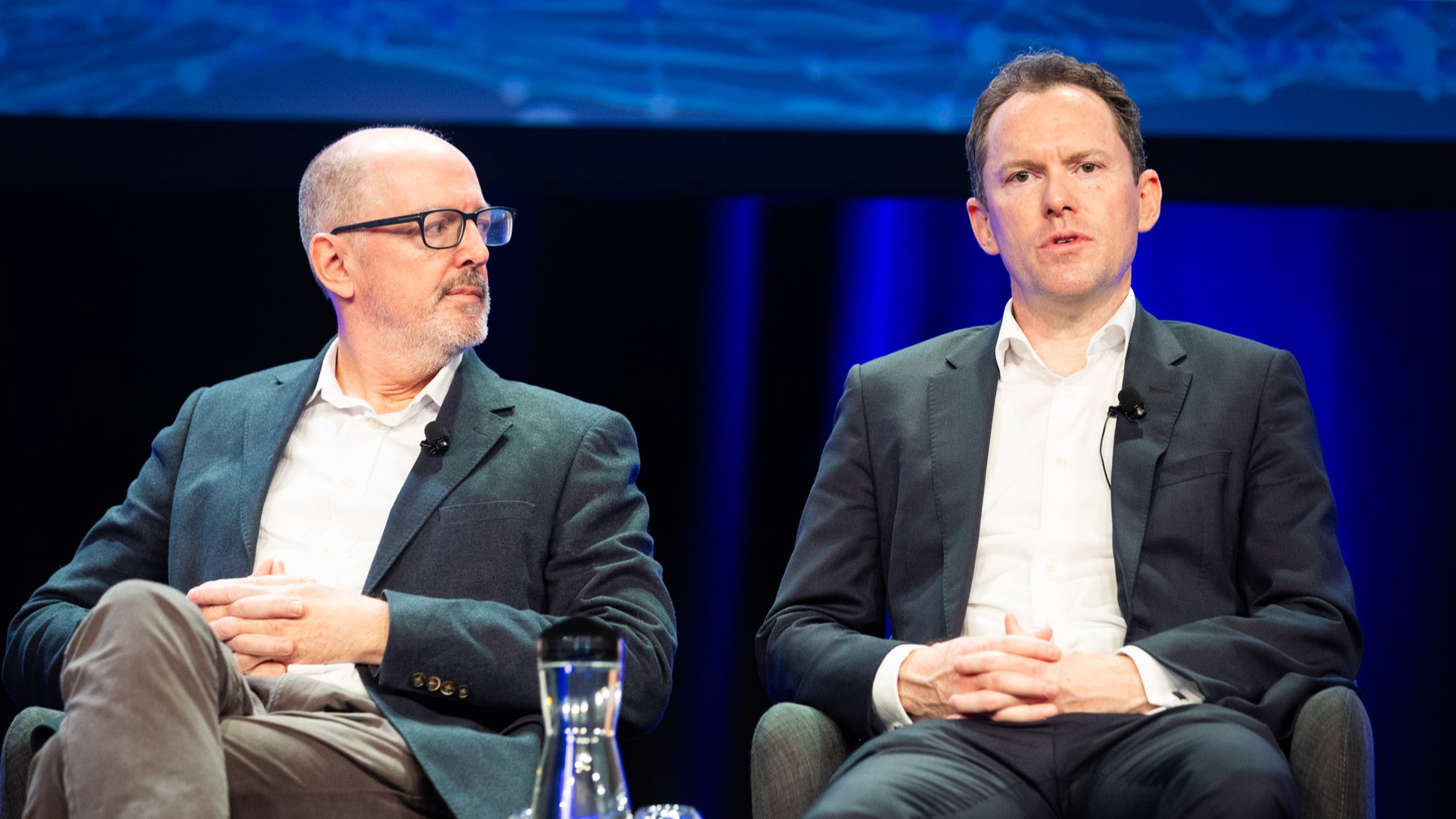
Clayton Utz's Simon Newcomb (left) and Australia Post's Rhys Weekley (right) at CEDA's 2026 AI Leadership Summit. Image: CEDA / Supplied
AI agents coming to government services
As Australian government agencies consider how they might integrate AI agents for use by taxpayers, a Korean government official told the CEDA conference that his nation is planning to give each citizen their own dedicated AI agent to access government services.
The minister of the Republic of Korea's embassy in Canberra, Jimin Kim, said his country plans to increase its AI budget by 64 per cent to $US12.3 billion (around $17.5 billion) in 2027, when it also plans to give every citizen their own "proactive and personal AI agent".
"Imagine a person who struggles with digital technology – their AI agent could help identify government benefits for which they are eligible, and assist them in applying," he said.
"Rather than expecting people to navigate increasingly complex systems, we want technology to adapt to their needs."
Canada's deputy high commissioner to Australia, Carly Volkes, told the conference that her country is also planning on integrating AI more deeply into public services.
Canada has already pledged to give all its tertiary education students access to trusted AI agents.
"We are looking at bringing AI across the economy into healthcare, into energy, transportation, agriculture, and public services," Volkes said.
"But we have to responsibly be able to harness AI, and I think the government and our policymakers have a huge role to play in terms of that adaptation."