
The federal government’s new data centre rules are under fire from both industry and environmental groups, exposing deep divisions over how Australia should manage the boom in AI infrastructure.
Unveiled on Monday, the national interest expectations target data centres and AI infrastructure developers and form a key part of last year’s National AI Plan.
The framework will be used to prioritise approvals for new projects and expansions.
Under the policy, developers must demonstrate a social licence by addressing national security, supporting the energy transition, creating local jobs and improving sustainability outcomes.
The move comes amid rising concern about the environmental impact of the sector’s rapid growth.
Over the past year, data centre emissions have risen by more than 15 per cent, while emissions from the largest operators have more than doubled over the past decade.
Social licence requirements
The expectations require operators to contribute to the Australian economy and local communities, avoid placing upward pressure on energy prices, and secure new clean energy to offset their demand.
They are also expected to minimise water use, invest in the local workforce, and provide access to infrastructure for startups, SMEs, researchers and not-for-profits.
The Minister for Industry and Science Tim Ayres said AI and data centre investment can help solve a “significant number of national challenges”.
“Securing this infrastructure onshore strengthens our security, supports our startups and researchers and ensures Australian data benefits Australians – not offshore jurisdictions.”
The government will prioritise data centre proposals that align with these expectations, and work with the states and territories on these issues.
The expectations will apply to new and expanded developments but exclude small-scale edge facilities and on-site enterprise data centres.
Significant omission
The exclusion of on-premise data centres has drawn the ire of Data Centres Australia, a representative body for the industry whose members include AWS, AirTrunk, Microsoft, TikTok, NextDC and Zerra.
The group said on-premise data centres account for about 80 per cent of compute capacity, and can be up to 67 per cent less energy efficient than purpose-built facilities.
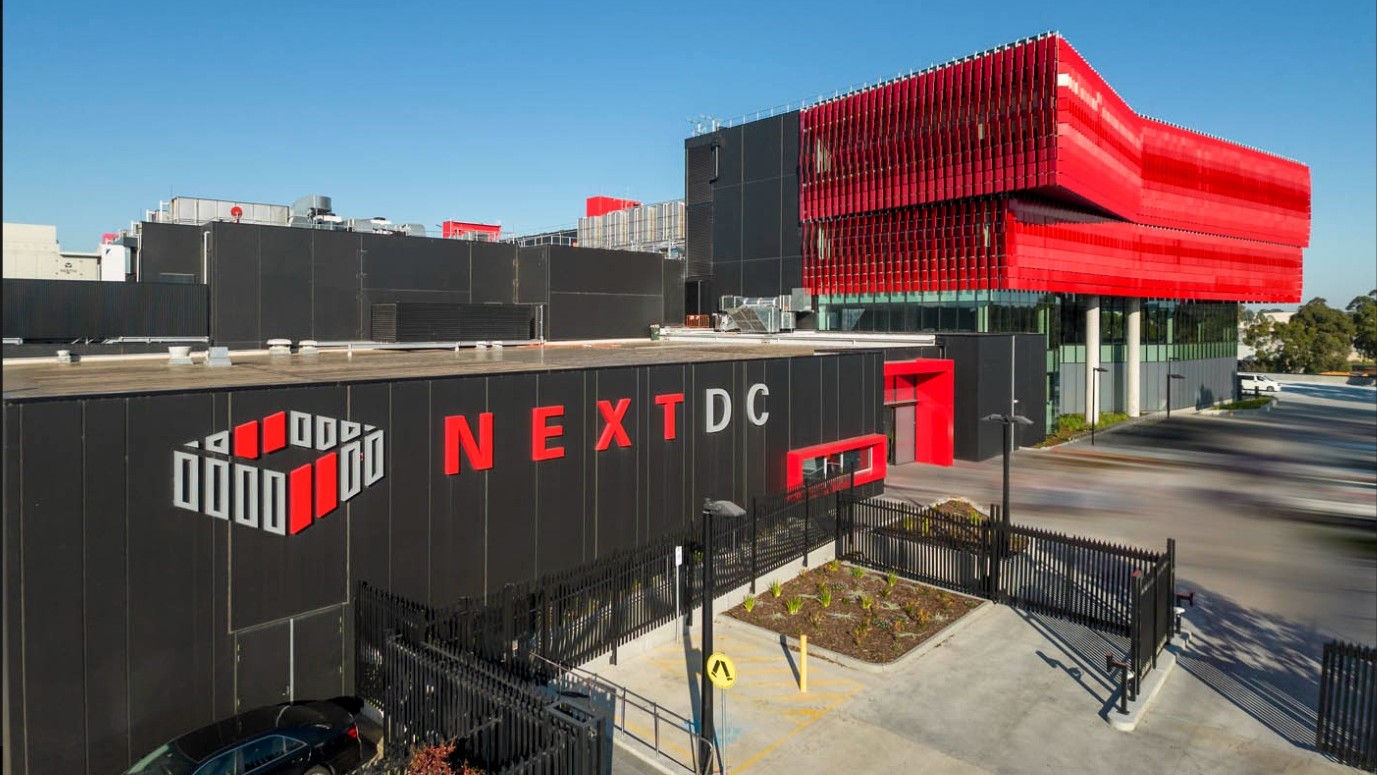
NextDC's proposed data centre in Port Melbourne. Photo: NextDC
Data Centres Australia CEO Belinda Dennett described the exclusion as a “significant omission”.
“Excluding them from national expectations creates a perverse outcome: the operators already leading on efficiency and sustainability bear the regulatory burden, while the least efficient operations face no incentive to improve or to migrate workloads into more sustainable environments,” she said.
“If the government’s ambition is to ensure Australia has advanced technological capability, while also meeting energy transition and net-zero ambitions, then providing a disincentive to move on-premises compute into data centres is a strange decision.”
The organisation urged the government to consider how on-premise facilities could be brought within the scope of the expectations, while noting many members already meet most of them voluntarily.
Push for stronger standards
Environmental organisations urged the federal government to make the expectations binding.
Australian Conservation Foundation CEO Adam Bandt said that expectations are a “vague policy intervention”, arguing that enforceable conditions are needed.
“Data centres guzzle power and water and they could derail Australia’s clean energy transition unless they are properly regulated,” Bandt said.
“Giving these big tech corporations guidelines is not enough.
“If you want to build a data centre in Australia, you should be compelled to build the renewables and water recycling infrastructure to serve it.”
Greenpeace Australia Pacific head of climate and energy Joe Rafalowicz said the expectations are “seriously inadequate”.
“Australia is following the US down the same dystopian path of unregulated AI data centre expansion, and overreach by Big Tech corporations,” he said.
WWF-Australia has called for enforceable rules.
“The government’s data centre principles are a welcome and overdue signal that this sector must support Australia’s national interest,” WWF-Australia senior manager for energy transition, Rob Law said.
“The task now is turning these expectations into enforceable federal and state rules that actually shape outcomes and align with Australia’s energy, climate and water goals.
Industry context
The government guidelines come less than a week after it was revealed Google had paused plans to develop a $20 billion AI and data centre hub in Australia citing concerns it could trigger a higher tax rate across its local operations.
In a statement, Google principal for global infrastructure and energy Alexander Smith welcomed the new data centre expectations.
“These expectations provide a clear signal of Australia’s intention to secure its position as a digital infrastructure leader for the region and to demonstrate Australia’s commitment to doing AI the right way,” he said.
Several data centre hubs are in development around the country, with the New South Wales government late last year approving CDC Data Centre’s $1.3 billion hyperscale data centre in Marsden Park, and OpenAI recently being announced as a major customer of NextDC’s hyperscale AI data centre in Western Sydney.