



A Sydney tech company has backed out of plans to build a massive $1.1 billion data centre in Western Australia following backlash from the local community and council.
GreenSquare, an Australian data centre provider that was acquired by a private equity firm last year, withdrew its application to construct a three-story, 15,000sqm data centre on the outskirts of Perth last week.
It came after the local council recommended it be rejected due to noise concerns, and widespread fury from the local community over its potential environmental impact.
There has been huge interest in the construction of data centres in Australia in the last year, leading to disagreements between those looking to capitalise on this economic opportunity, and others concerned about the environmental impact.
A significant investment
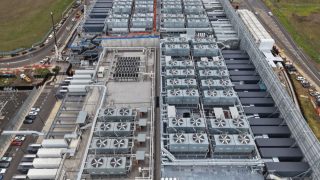
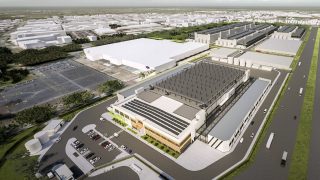
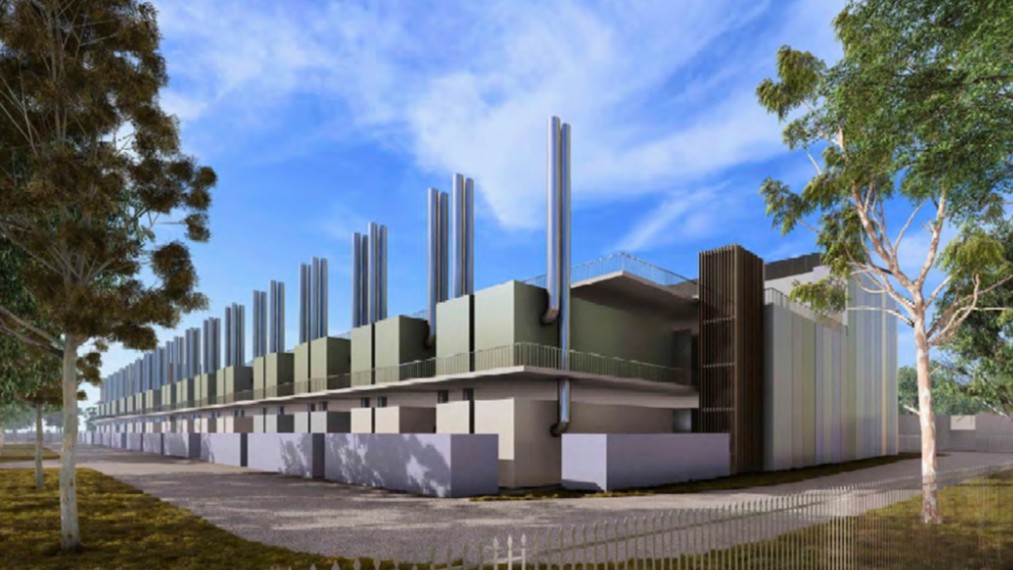
GreenSquare had been planning to build the huge data centre in Hazelmere, 15km east of the Perth CBD, covering a three-storey facility 23.5m high and a floor area of nearly 15,000sqm.
According to the company, the total project value was $1.1 billion, with nearly 3,000 full-time jobs to be created during the construction phase and 180 ongoing jobs.
GreenSquare claimed the data centre would have contributed $635.5 million to the state economy, then $36.2 million annually once operational.
The company said it was a “significant investment” that would further underpin Perth’s role as the “primary centre of commerce in WA and boost its ability to attract and retain business within the area”.
But the proposal was met with intense backlash from the local community, with nearly 1,900 public submissions made to the council’s consultation – most in opposition to the data centre.
Concerns centred around the environmental impact of the facility, the noise it would create, and its location near areas culturally significant to First Nations people.
The centre would have included 88 diesel generators to be used in the case of a power outage.
In its report, the local council found that the noise from these generators would be unacceptable, and that the proposal should be rejected.
“City staff cannot accept that the potential for noise exceedance by the operation of the data centre in an emergency back-up power scenario and its potential nuisance and adverse impact to the amenity of so broad a residential area should be tolerable,” the council report said.
The council did note that the chances of such a power failure was “limited”, and that it would likely only be for a short period of time.
Backing out
Soon after the report, GreenSquare chief executive Charles Penny wrote to the council to withdraw the data centre planning application.
“This decision has not been made lightly,” Penny said.
“We continue to firmly believe that the proposed development is an appropriate use for this established industrial site in Hazelmere.”
The company has pushed for the WA government to introduce planning frameworks and assessments that are “practical, balanced and reflective of the operational realities” of data centres.
The comments around the proposed location show a “deep lack of understanding”, Biddul Ngarma Aboriginal Association Francesca Flynn said.
“This site is within a highly sensitive context: approximately 40 metres from the river channel, adjacent to a conservation wetland, located on two Aboriginal heritage sites, next to a primary school and in close proximity to private residences,” Flynn told The Guardian.
Flynn said she was “full of relief and joy and gratitude” after plans for the data centre were scrapped.
There has been huge growth in data centre investments around the country.
The Victorian government recently illustrated just how lucrative this has been, with data centres accounting for all of the growth in the state’s private commercial building approvals.
Late last year, CDC Data Centre received approval for the then-largest data centre in the southern hemisphere with a $3.1 billion hyperscale facility at Marsden Park in NSW.
Since then, nearby residents and schools have raised concerns over plans for a larger $5 billion AirTrunk facility in Western Sydney, which would be Australia's most power-hungry data centre if approved.